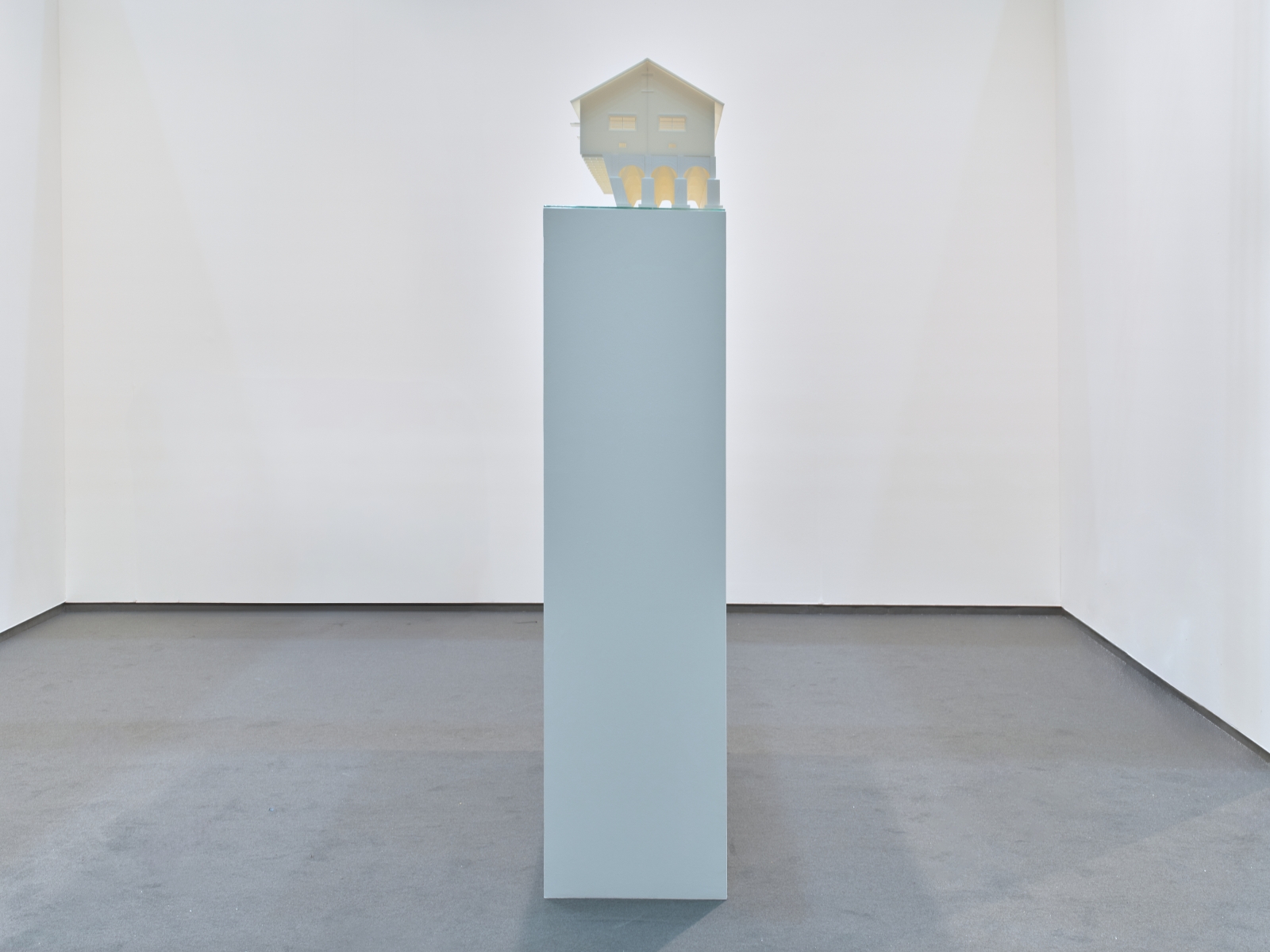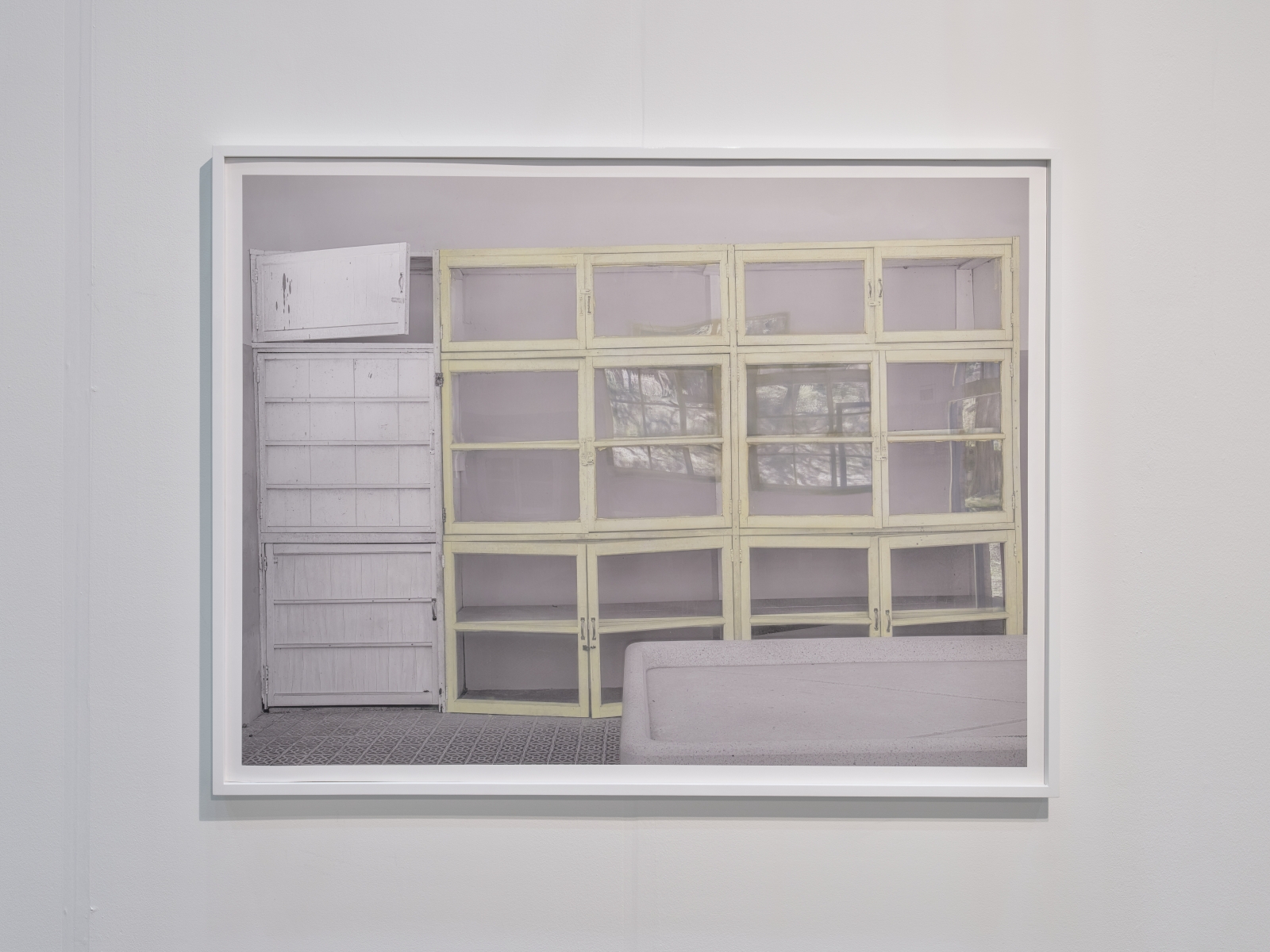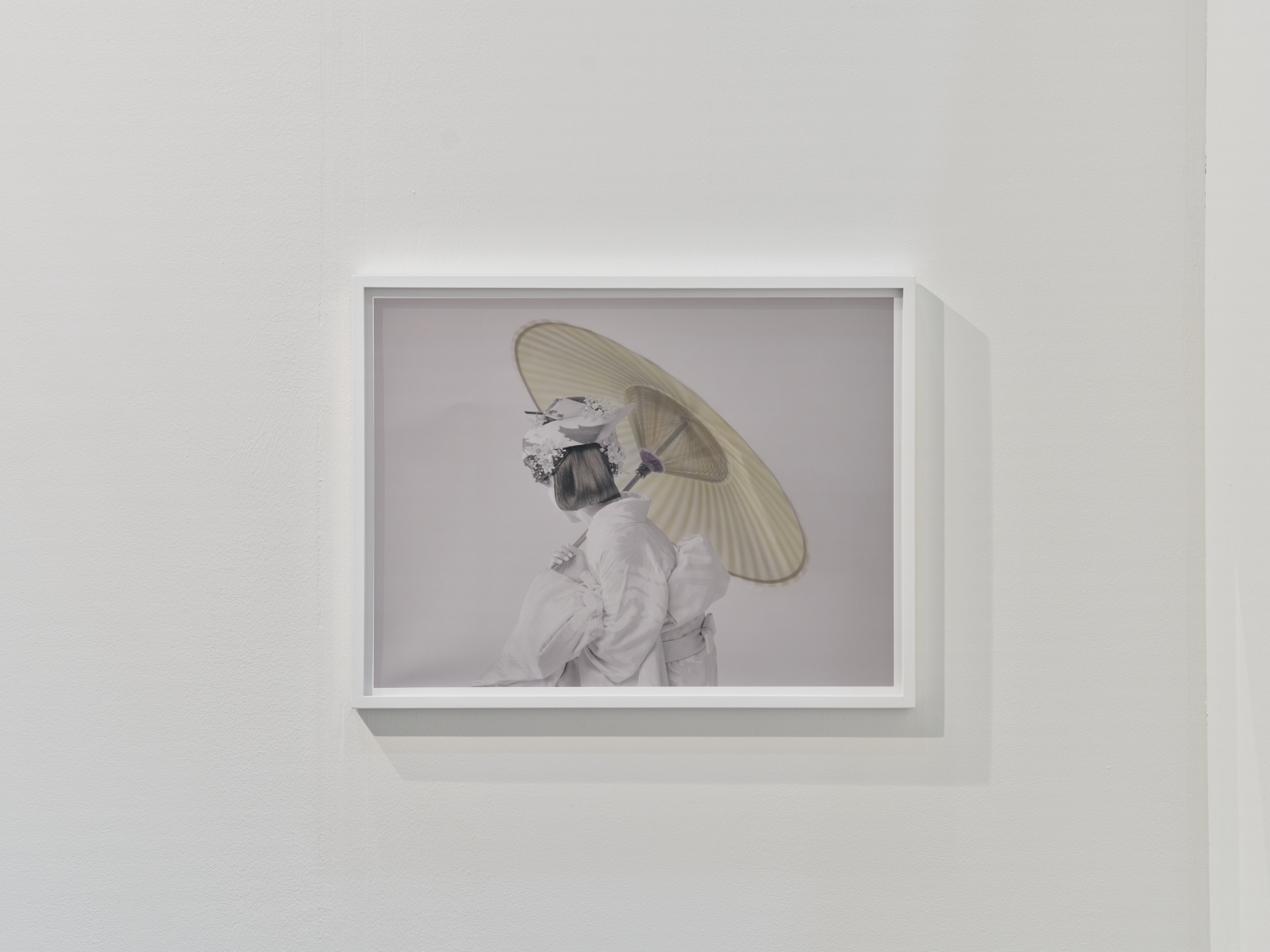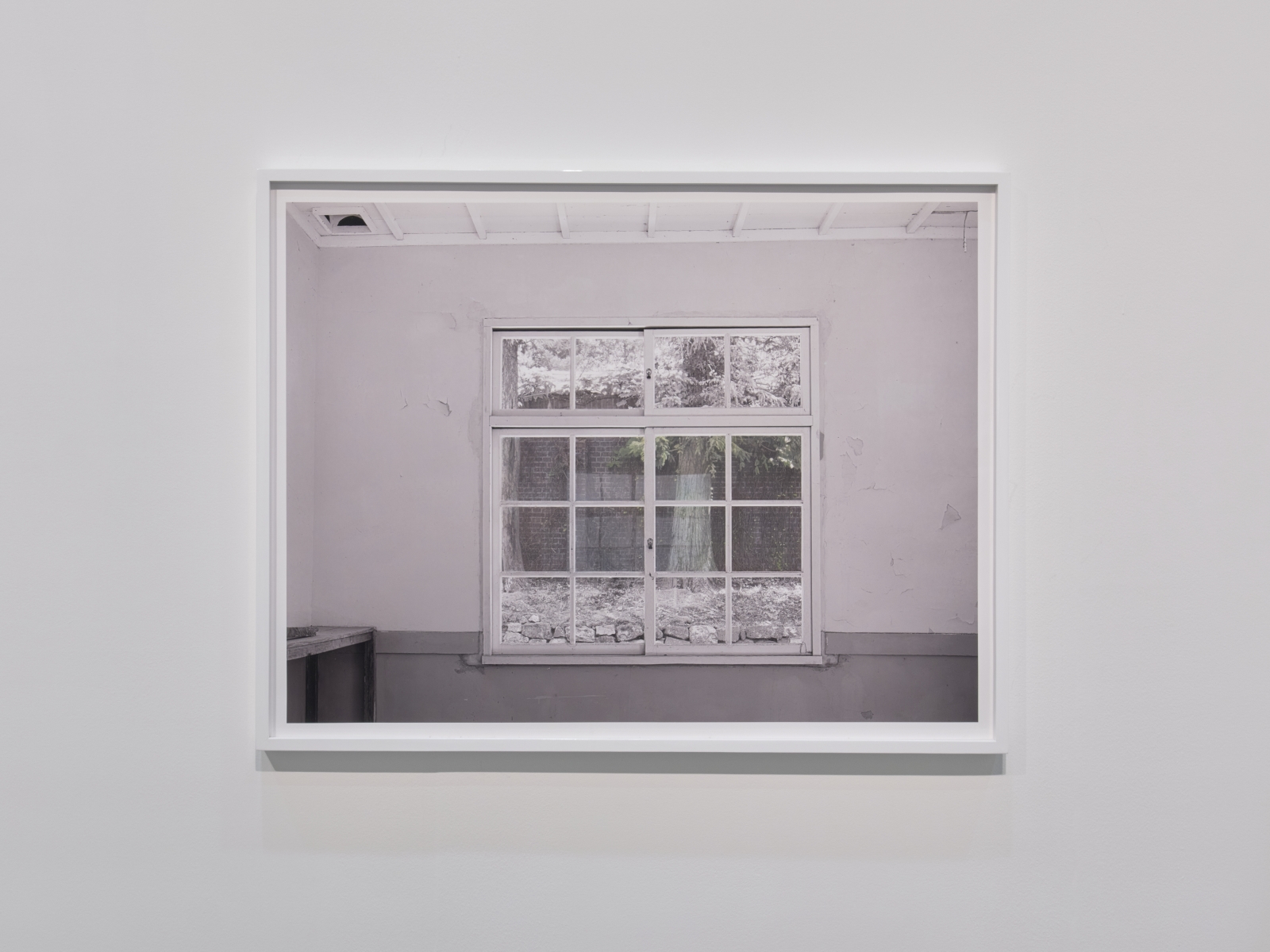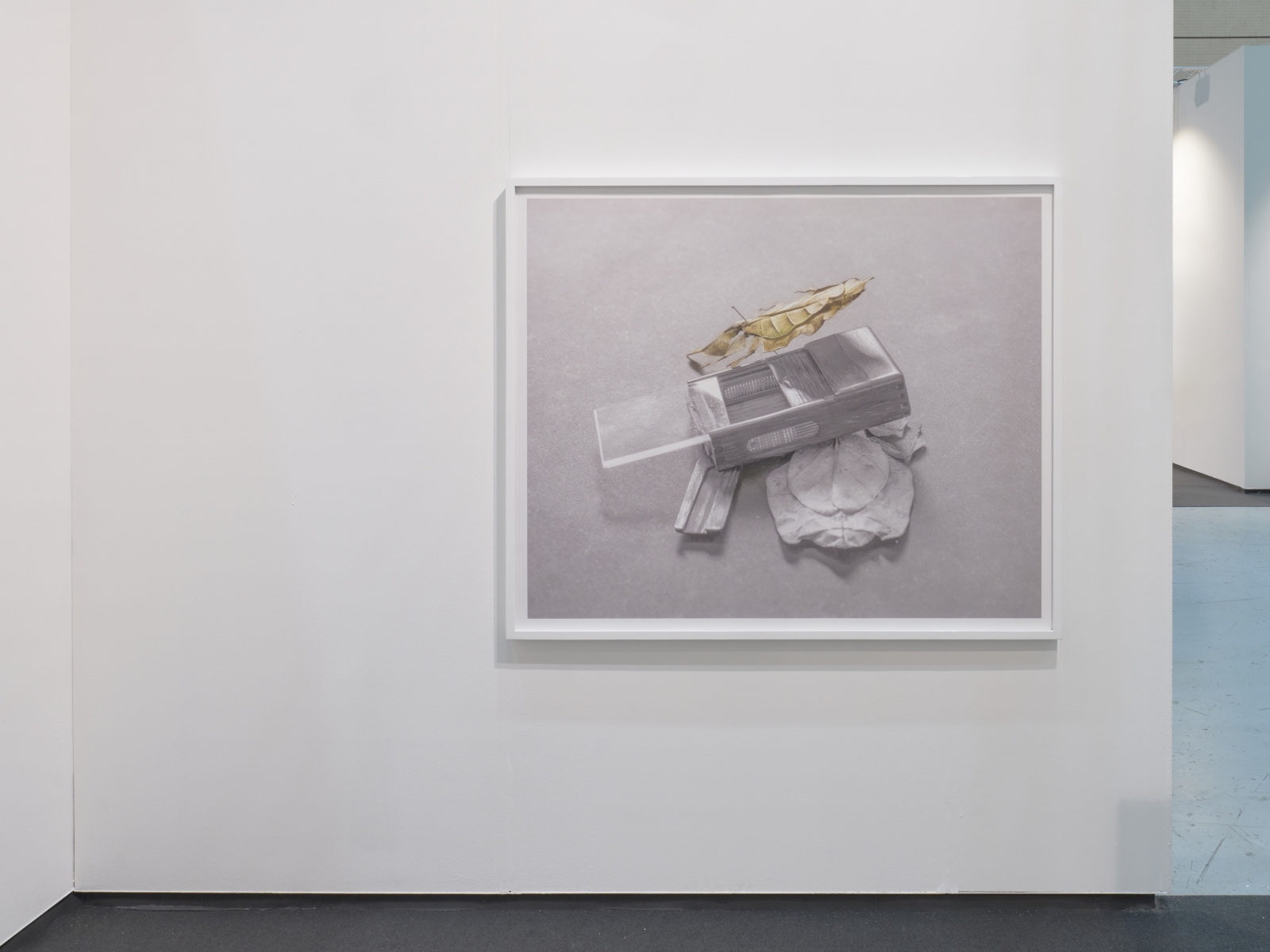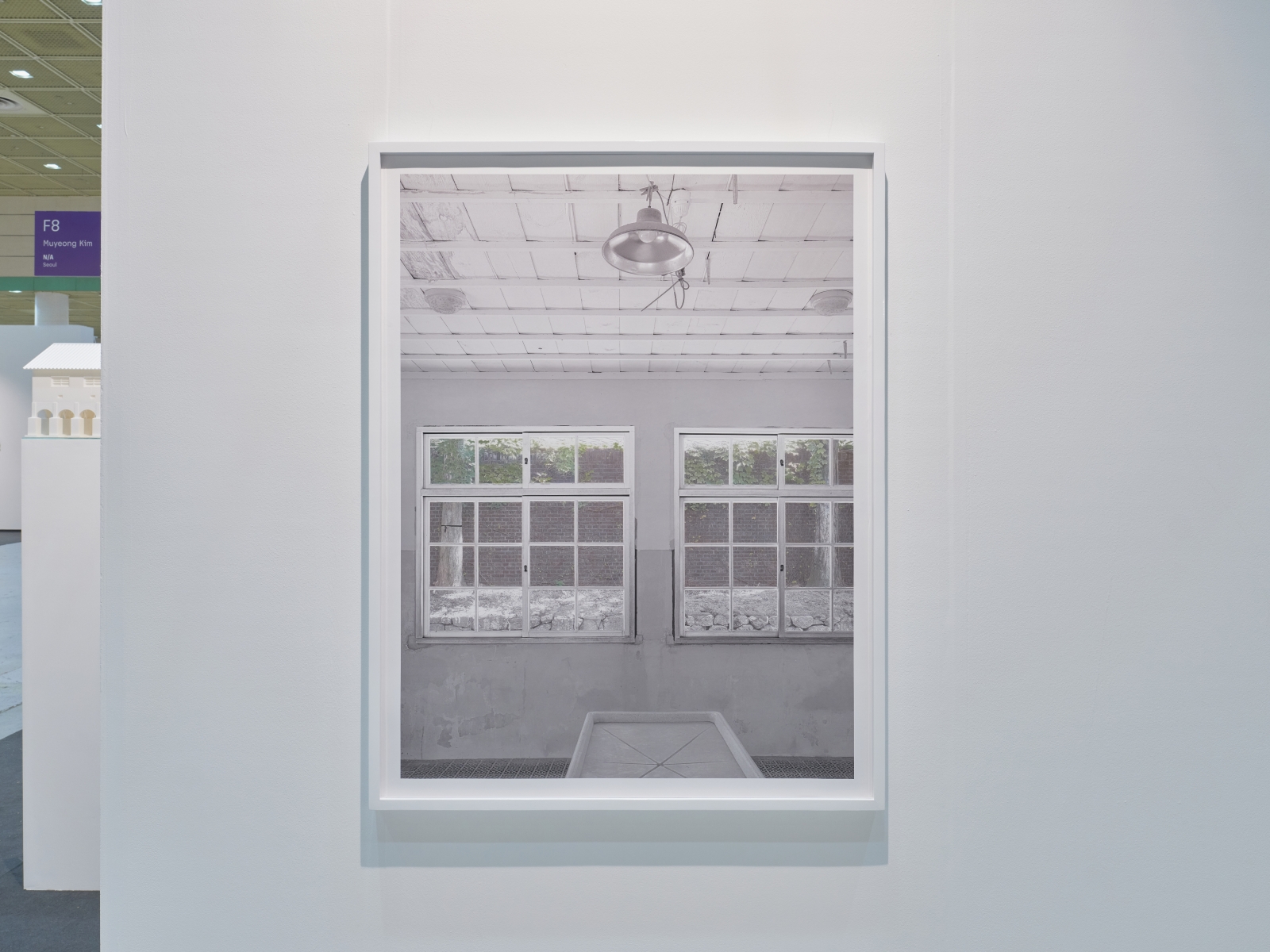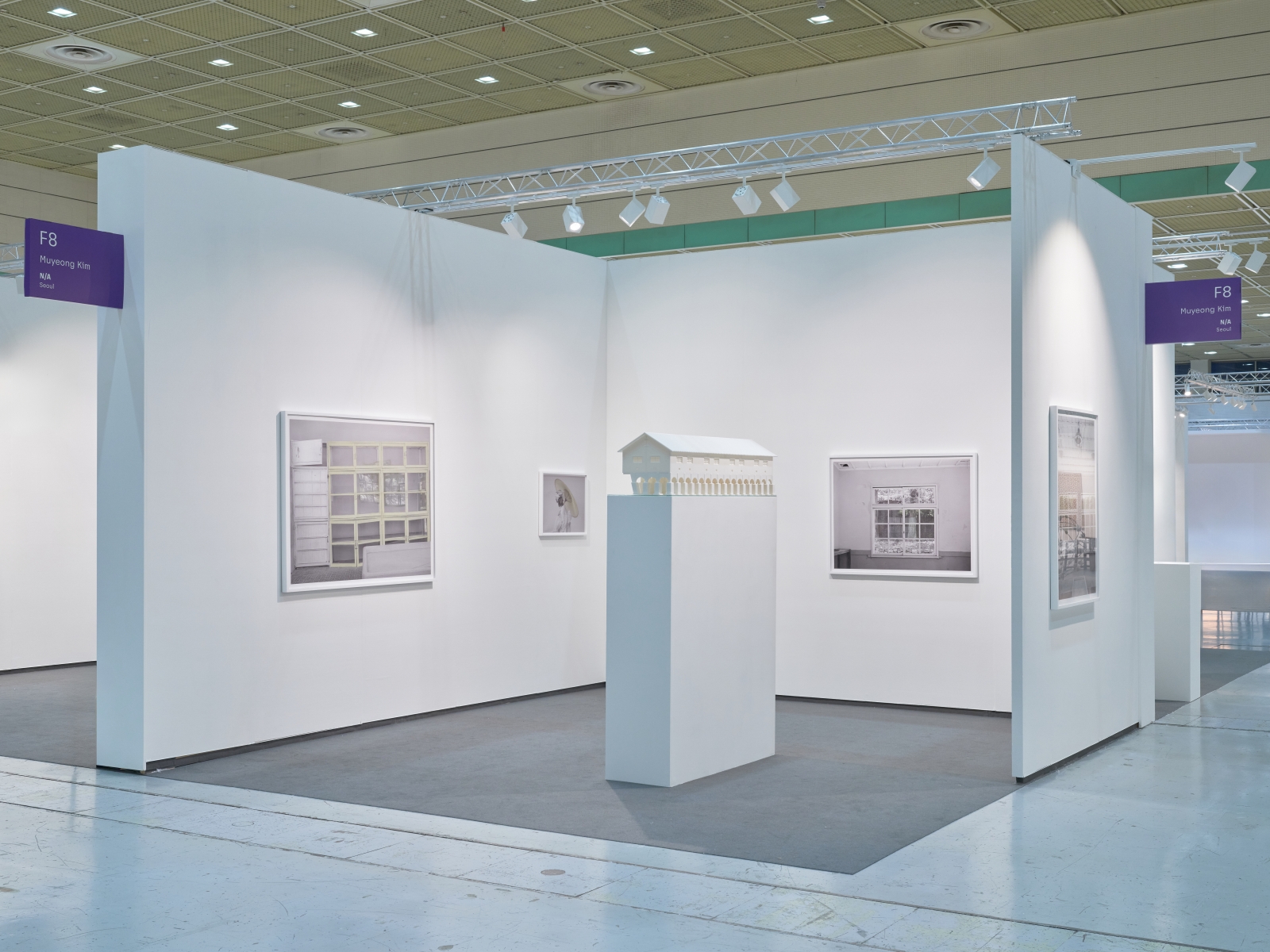
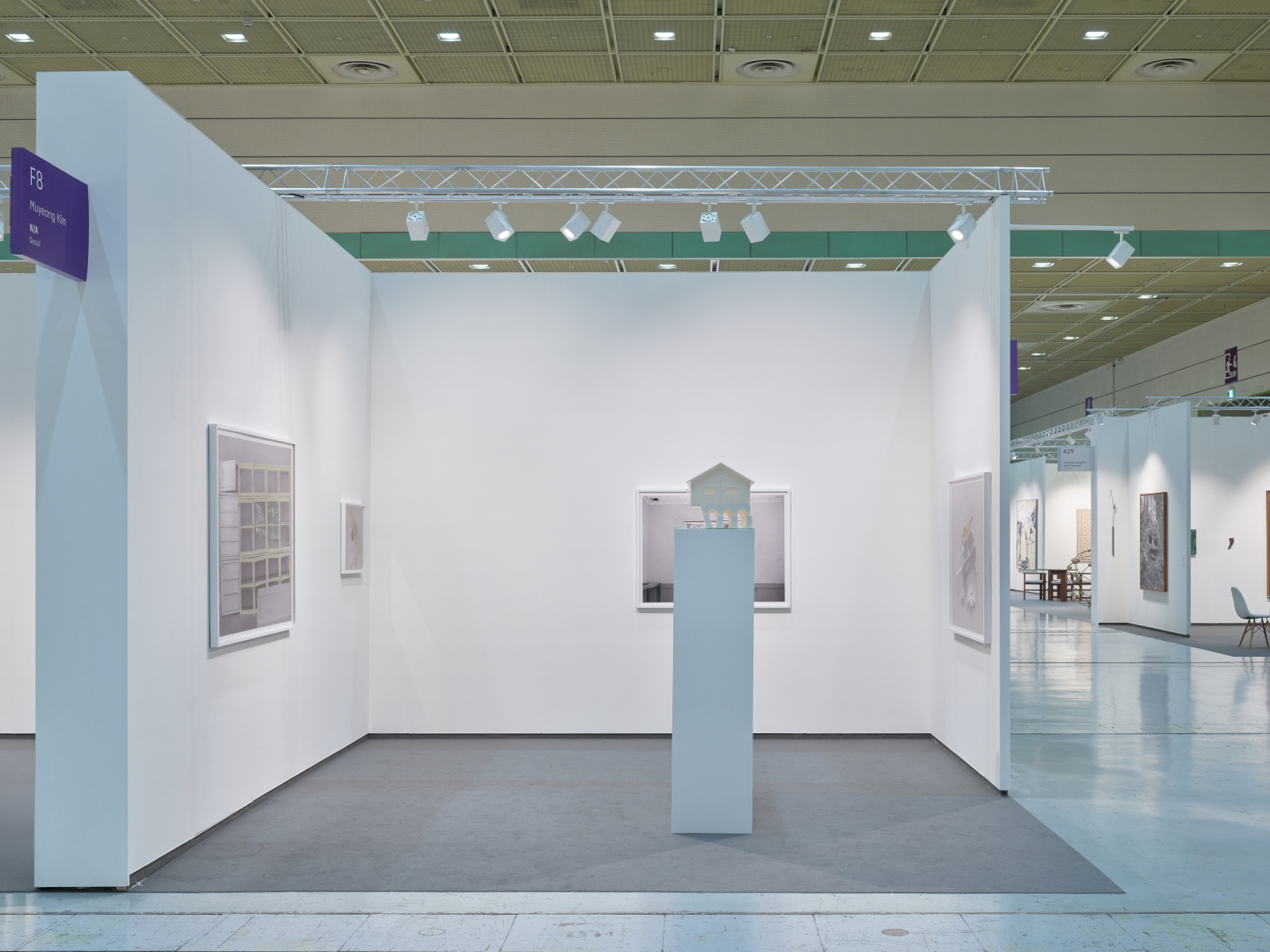
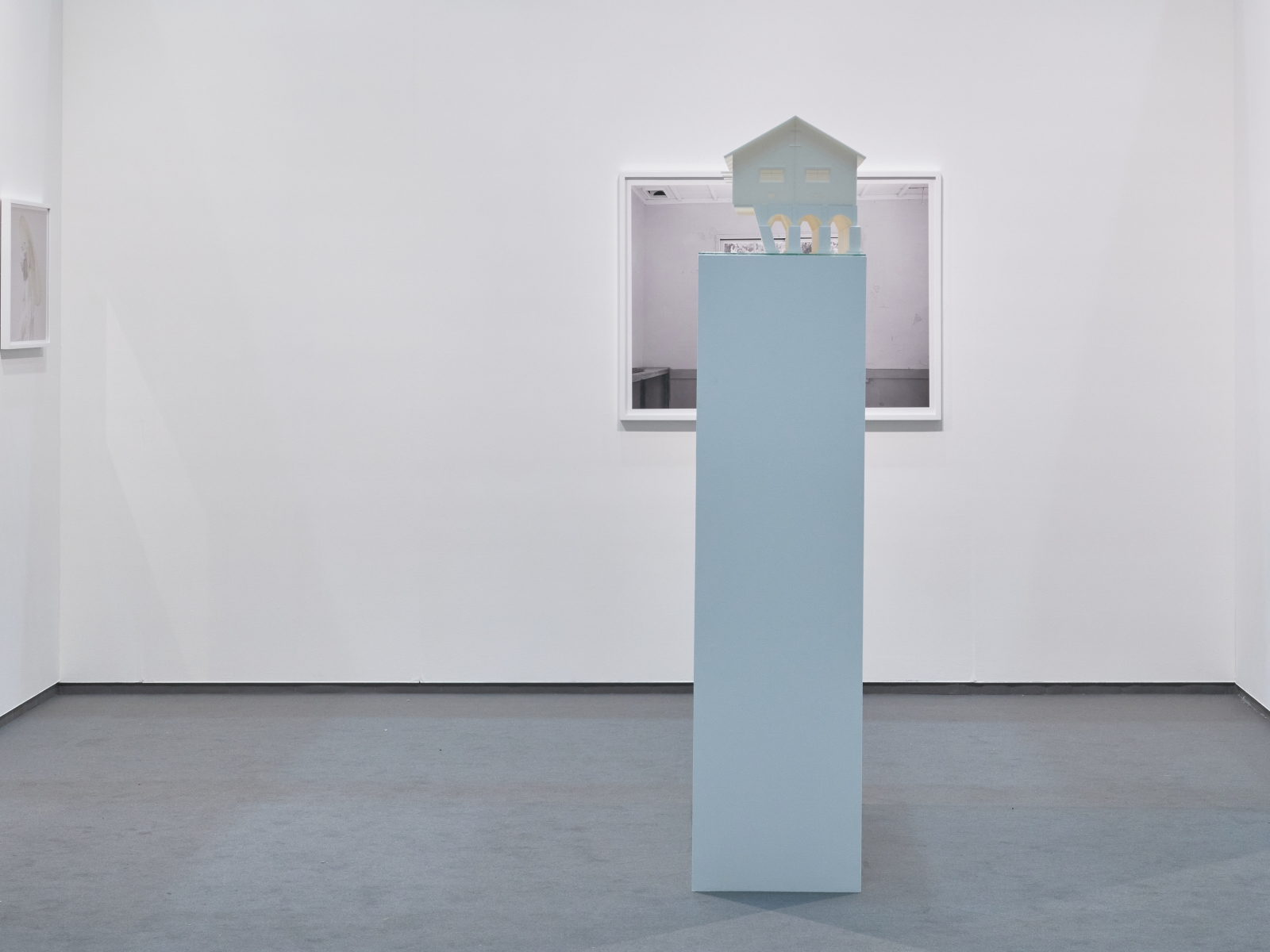
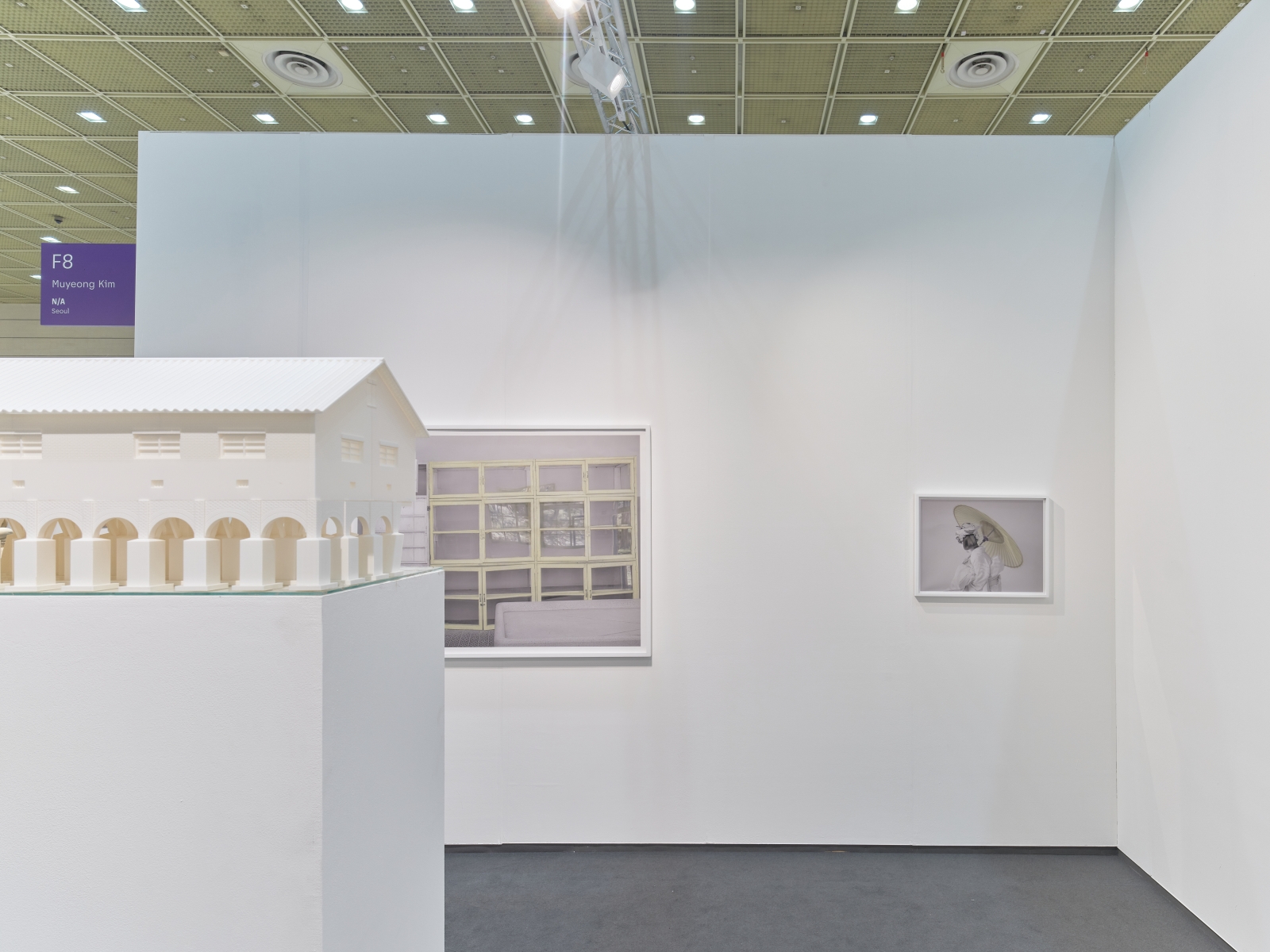
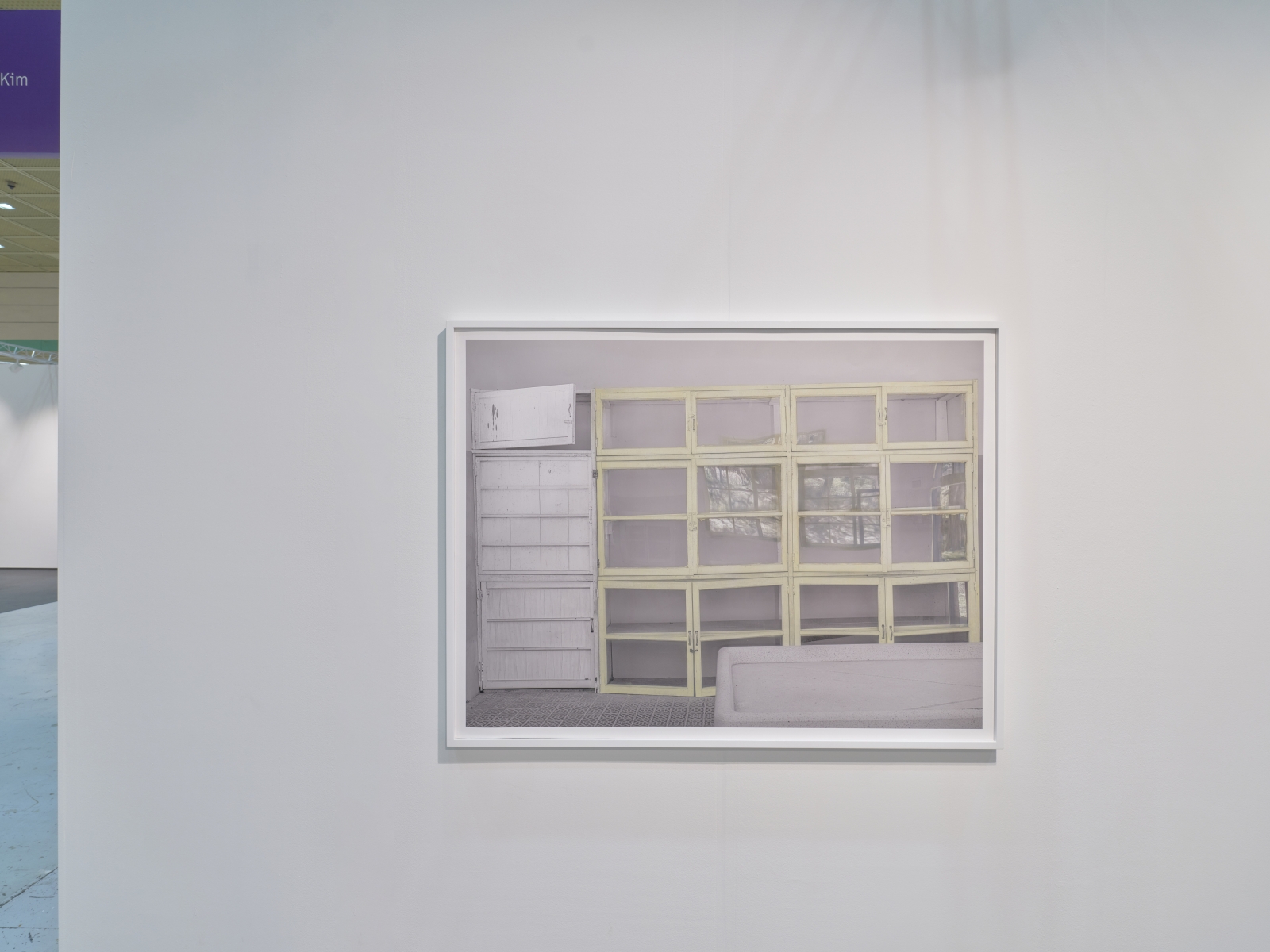
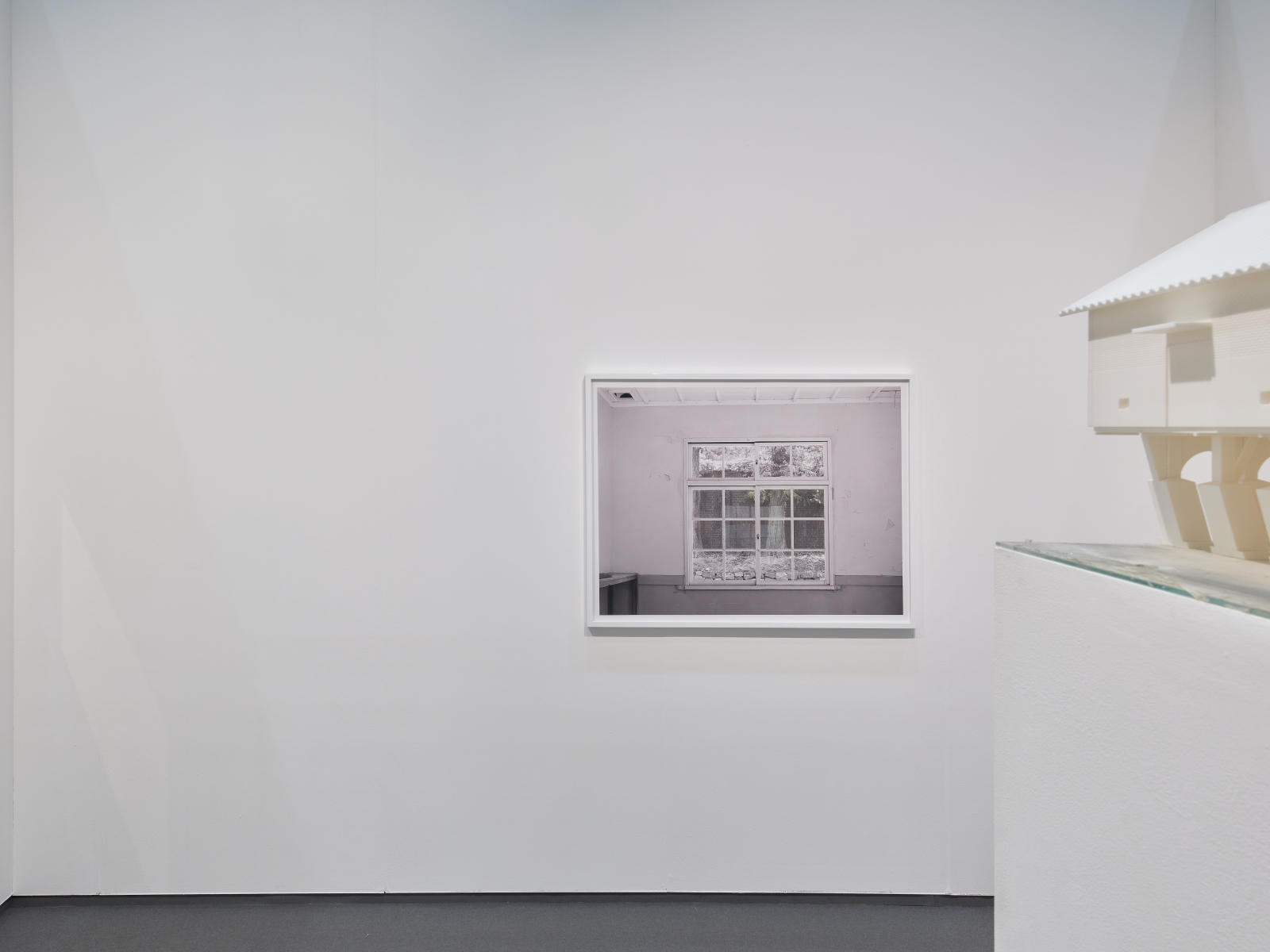
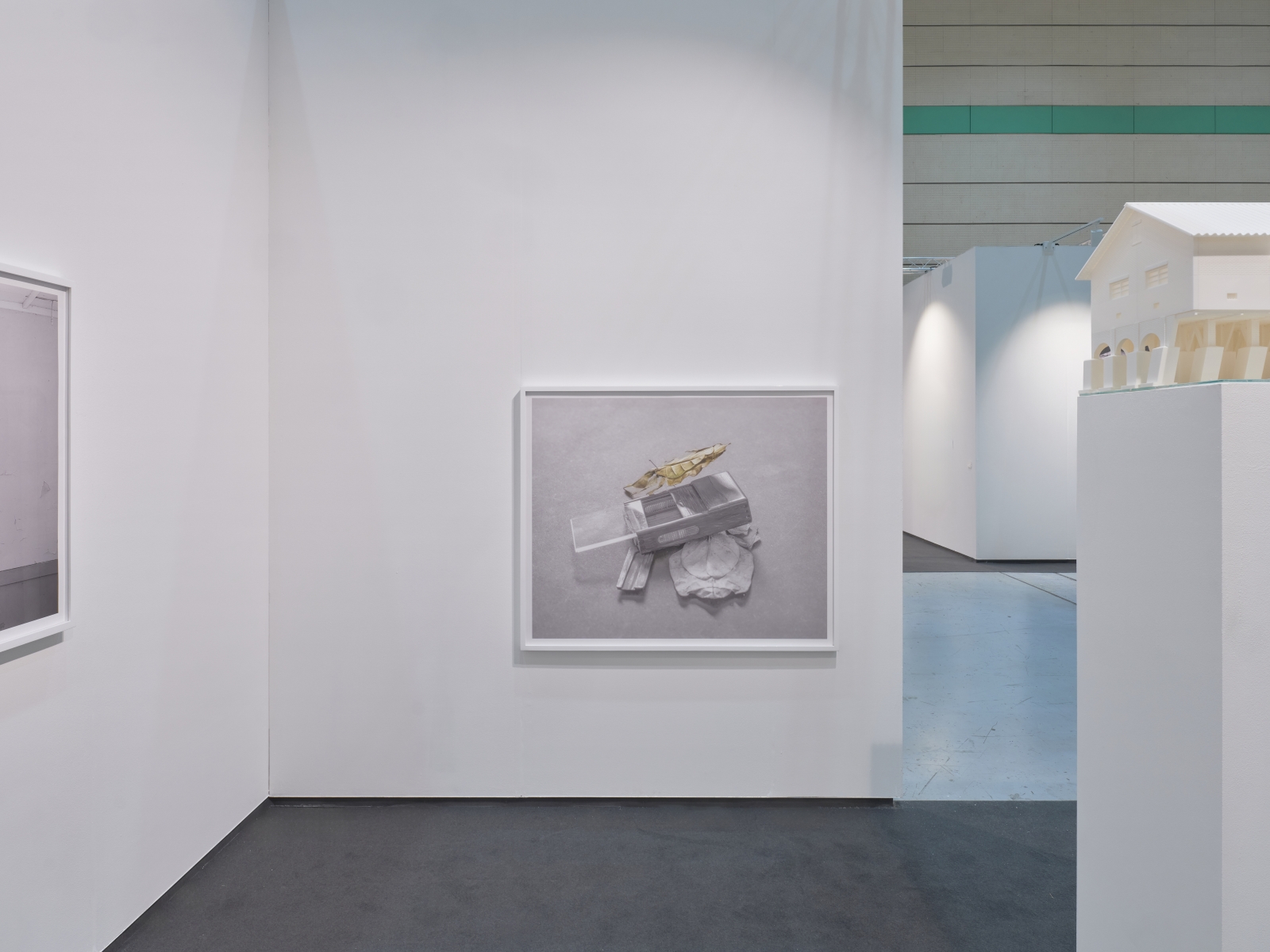
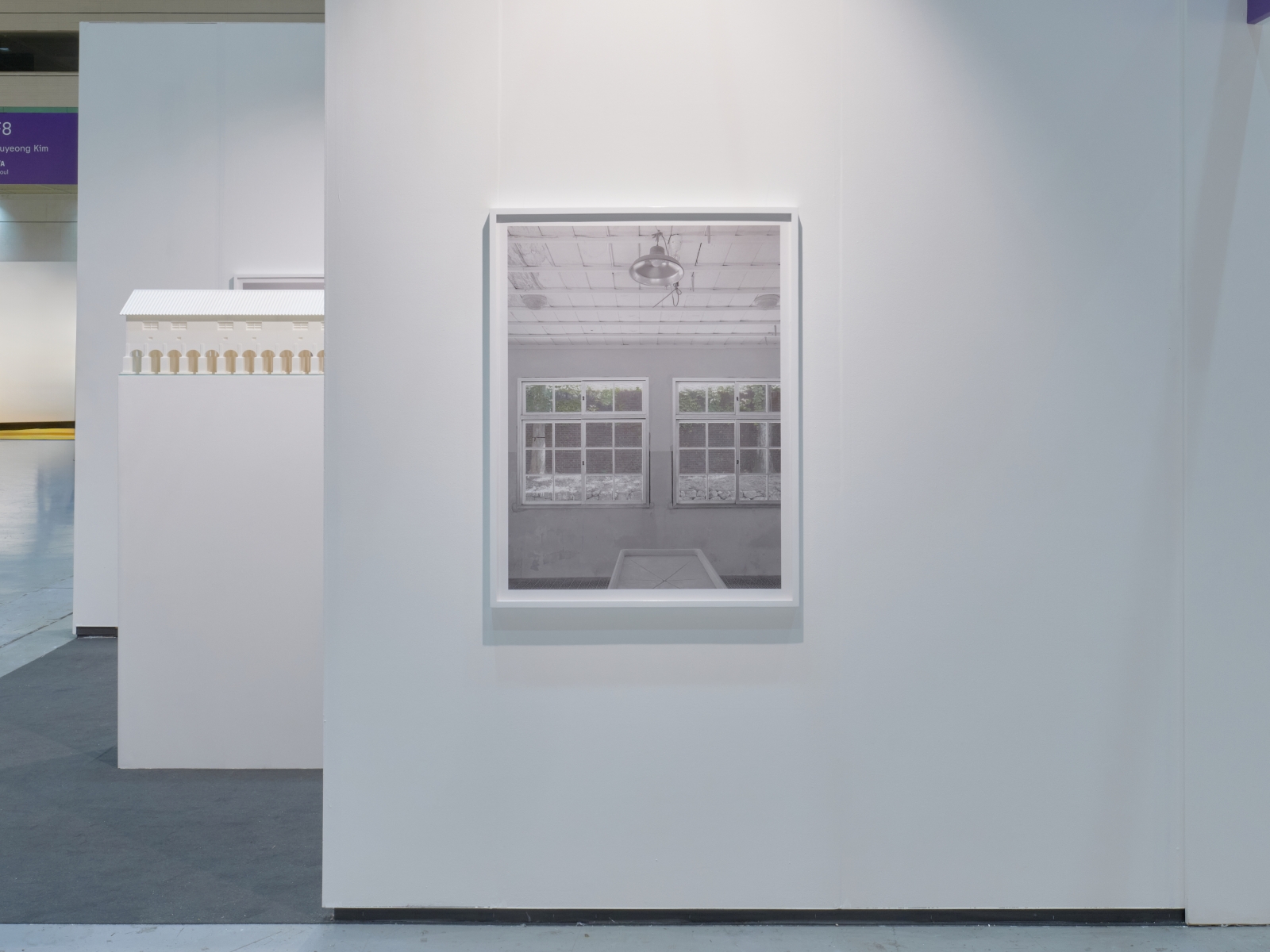
For its inaugural participation in Frieze Seoul, N/A presents a solo presentation by Muyeong Kim in the Focus section. The presentation comprises hand-coloured photographs and a sculpture, both drawn from Sorok Island in Jeollanam-do, a Japanese colonial-era sanatorium for Hansen's disease patients.
The photographs use a hand-colouring technique tracing back to Japan's sakoku seclusion (1635–1854), ended by the US Navy's forced opening of its ports. Travelers followed, among them photographers, and the technique flourished in their port studios. Born before cameras could capture true colour, it was less record than construction laid over the image. Fulfilling a desire for colour while carrying its own artifice and distrust. Known as Yokohama shashin, these souvenir images erased Meiji-era modernity, casting Japan as antiquated and pastoral — colouring compensating for the medium's limits even as it rendered its subject exoticized.
After Korea's 1910 annexation, the island became a site of forced quarantine, housing at its peak some six thousand patients under colonial confinement — forced to build the very hospital buildings meant to house them. Segregation persisted into the 1950s, well past liberation. It is this landscape, pathologized as much by stigma as by clinical course, that Kim's photographs address — turning not to the wards or morgues, but to their windows, looking onto pastoral trees and vines framed by structures the Japanese built. Hand-colouring lends these views a decorative warmth that sits uneasily against what the rooms once held.
The sculpture is a 3D printed maquette of the island's food warehouse, banned from entry, built instead from a handful of images sourced from the Cultural Heritage Administration website. Its original construction, one side meeting the road, the other held by arched piers over the tidal flat, optimized for the mainland to unload supplies and leave, severed at a diagonal from the slope it once stood on.
The lower half is finished through an acetone chamber, its surface smoothed by fumes from acetone-soaked cloth sealed inside. Beneath it rests a glass plate coated in nitrocellulose and silver nitrate, the materials of the wet collodion process, once used, before photography, to dress wounds. It reflects the house above. Tilted to let the liquid flow evenly, the plate echoes the warehouse's divided ground between land and tide. Architectural erosion and the care of skin are treated here as the same physicochemical act.
N/A는 프리즈 서울의 첫 참가를 맞아 포커스 섹션에서 김무영의 개인 프레젠테이션을 선보인다. 이번 전시는 손으로 채색한 사진과 조각 작업으로 구성되며, 두 작업 모두 일제강점기 한센병 요양시설이었던 전라남도 소록도에서 비롯되었다.
사진은 일본의 쇄국(鎖国, 1635–1854) 정책, 그리고 미 해군에 의한 강제 개항으로까지 거슬러 올라가는 손채색 기법을 사용한다. 개항 이후 여행자들이 유입되었고, 그중에는 사진가들도 있었다. 그들의 항구 도시 스튜디오들에서 이 기법이 성행했다. 카메라가 실제 색채를 포착할 수 있기 이전에 생겨난 이 기법은 기록이라기보다 이미지 위에 덧입혀진 구성물에 가까웠다. 색채에 대한 욕망을 충족시키는 동시에, 그 인위성과 불신이 있다. 요코하마 샤신(横浜写真)이라 불리는 이 기념품 이미지들은 메이지 시대의 근대성을 지운 채 일본을 고풍스럽고 목가적인 모습으로 그려냈기에, 색채는 매체의 한계를 보완하는 동시에 그 대상을 이국화하는 장치였다.
1910년 한일병합 이후, 소록도는 강제 격리의 장소가 되어 최전성기에는 약 6천 명의 환자를 수용했으며, 이들은 자신을 수용할 바로 그 시설을 직접 지어야 했다. 격리는 해방 이후인 1950년대까지 지속되었다. 김무영의 사진이 다루는 것은 바로 이러한 풍경이다—실제 임상적 경과보다도 낙인에 의해 더 크게 병리화된 풍경. 그의 사진은 병동이나 시신 안치실이 아니라 그 창(窓)으로 향하며, 그 너머로 비치는 섬의 나무와 덩굴을 담는다. 손채색은 이 풍경에 온기를 부여하지만, 그 배후의 방들과는 불편하게 마주한다.
조각은 소록도 식량창고를 3D 프린팅으로 복각한 목업이다. 해당 부지는 출입이 금지되어 있어, 이 모형은 국가유산청 웹사이트에 남아 있는 몇 안 되는 이미지들을 토대로 제작되었다. 원래 이 건물은 한쪽 면이 도로에 맞닿고, 반대쪽 면은 갯벌 위에 세운 아치 기둥들이 받치는 구조로, 육지 사람들이 필요 이상으로 가까이 다가가지 않고 식량을 내려놓은 뒤 떠날 수 있도록 설계되었다. 조각에서는 이 건물이 원래 딛고 있던 경사면으로부터 대각선으로 절단되어 분리되어 있다.
목업의 하단부는 아세톤 챔버, 즉 아세톤을 적신 천으로 밀폐한 상자를 통해 표면이 매끄럽게 처리되었으며, 그 증기는 아직 무르익지 않은 기술이 스스로 다듬어내지 못하는 표면의 결을 부드럽게 만든다. 그 아래에는 니트로셀룰로오스와 질산은이 도포된 유리판이 놓여 위쪽의 집을 비추는데, 이는 콜로디온의 재료로서, 사진술에 쓰이기에 앞서 상처를 감싸는 데 먼저 사용되었던 물질이다. 액체가 표면 위로 고르게 흐르도록 기울여 도포된 이 유리판은, 창고의 한쪽이 밀물과 썰물이 드나드는 경계 위에 지어졌다는 사실을 되비춘다. 건축의 침식과 피부의 관리는 동일한 물리화학적 작용으로 다루어진다.