Text. Jungmin Cho
I sometimes just stare at the palms of my two hands. Tracing the countless lines and veins that run across them, there are moments when they feel strangely alien, as if they belonged to someone else, despite having lived as part of me my entire life. When I was a child, I imagined that invisibly tiny ants were constantly crawling across them. I believed the faint, wind-like vibration that I can hear when I cup my ears with my hands was the sound of their movement. Now, I curl my fingers inward and clench a fist. These segmented joints that move at my will feel wondrous, trivial, and grateful all at once. Thanks to them, I have grasped so many things.
Yet, as Vilém Flusser said, the hands are not interested in the object they grasp for its own sake; they “play with it,” and that is a specifically human movement. They are not interested in the object in itself; rather, the object interests them as a “problem,” as an obstruction. The gesture of grasping is not “pure.” It is “practical.” The histories of humanity, of the senses, of the individual, of myself, have developed in this way. When the hand extends toward an object and effects transformation, the entire body participates, and the hands alone are illuminated, and everything else is left in diffuse and obscure margins of the field of vision. Then, the very notion of “the hand” becomes abstract. In Donghoon Gang and Siyi Li’s duo exhibition Envelopes, the artists erase the typical functions and symbols of objects born through human hands, choosing instead to remain as gestures within a process. In doing so, they reveal the relationship between visible tools and invisible sensation. This appears particularly as a “musical gesture” between Gang—who has long focused on the visual conditions and materialization of sound—and Li—who has attended to the disappearing materiality and sensory qualities of the everyday.
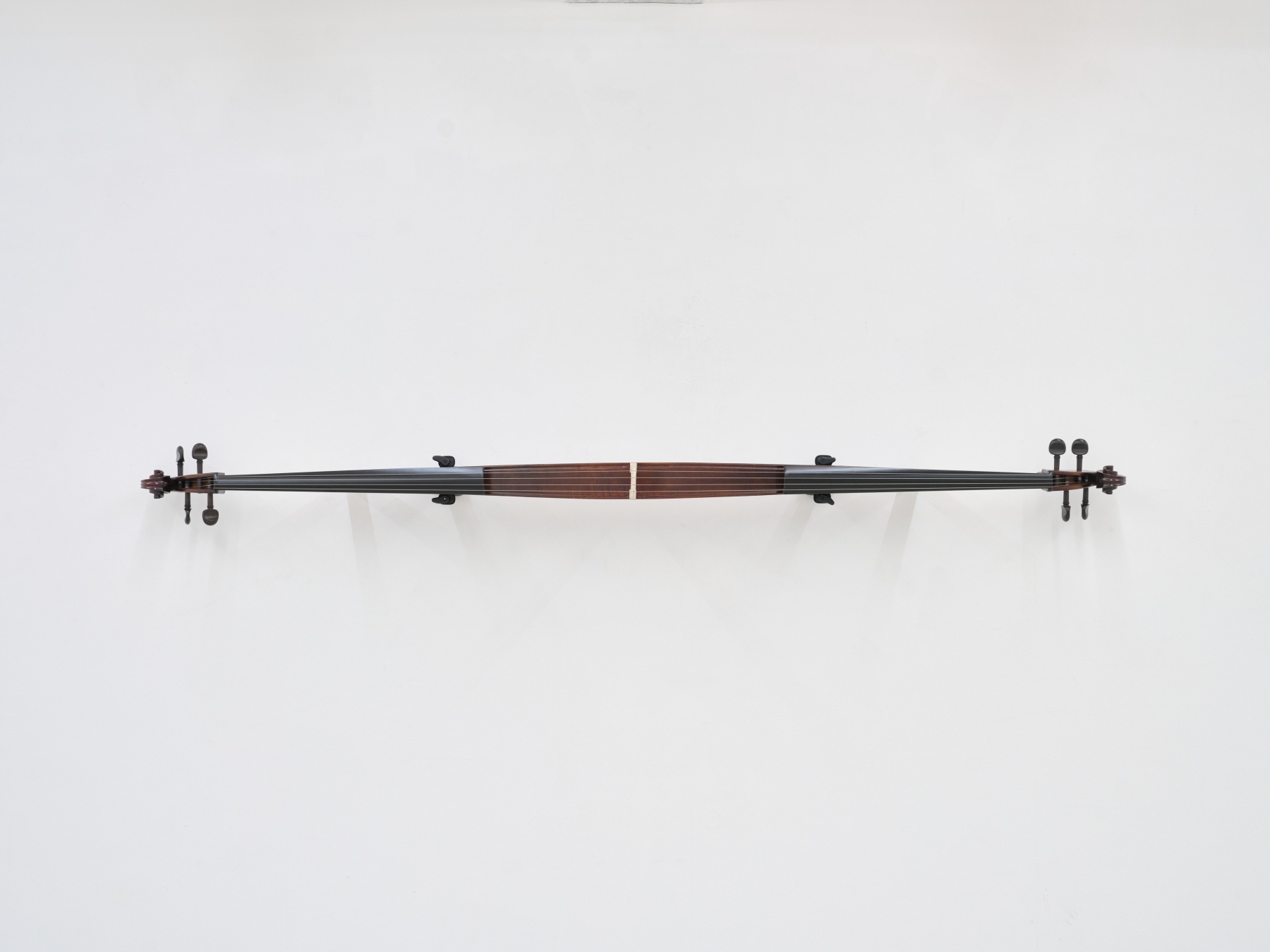
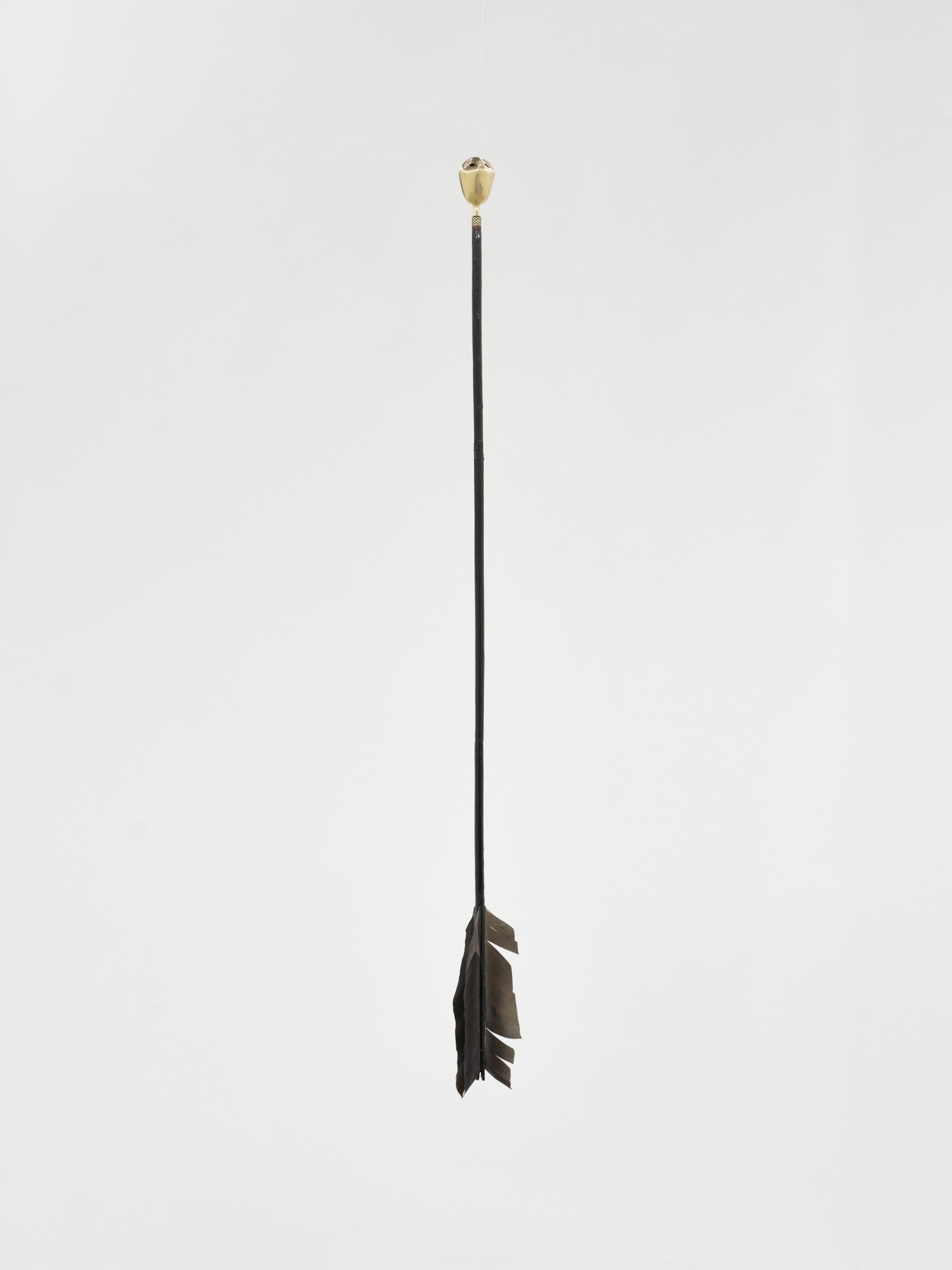
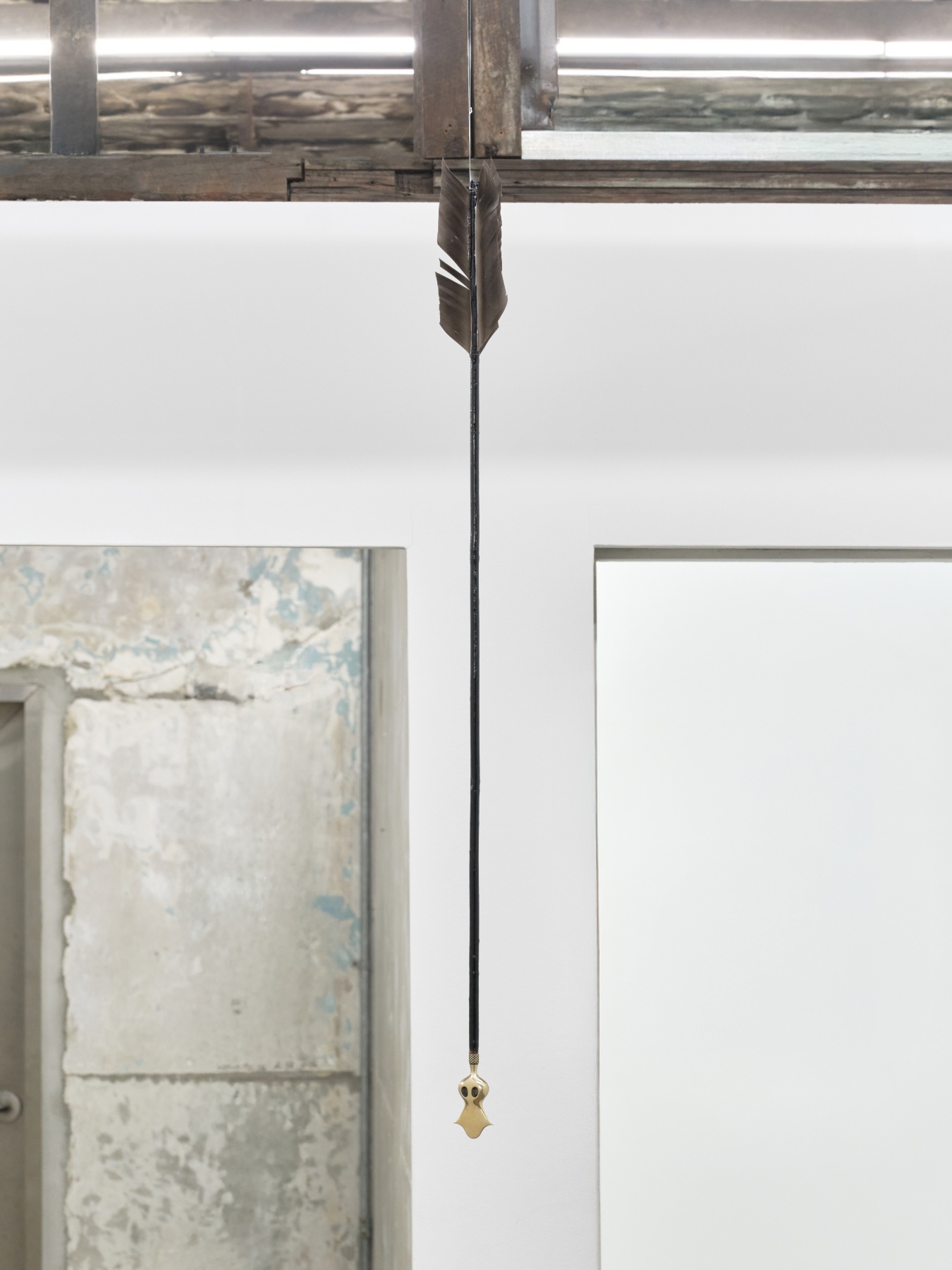
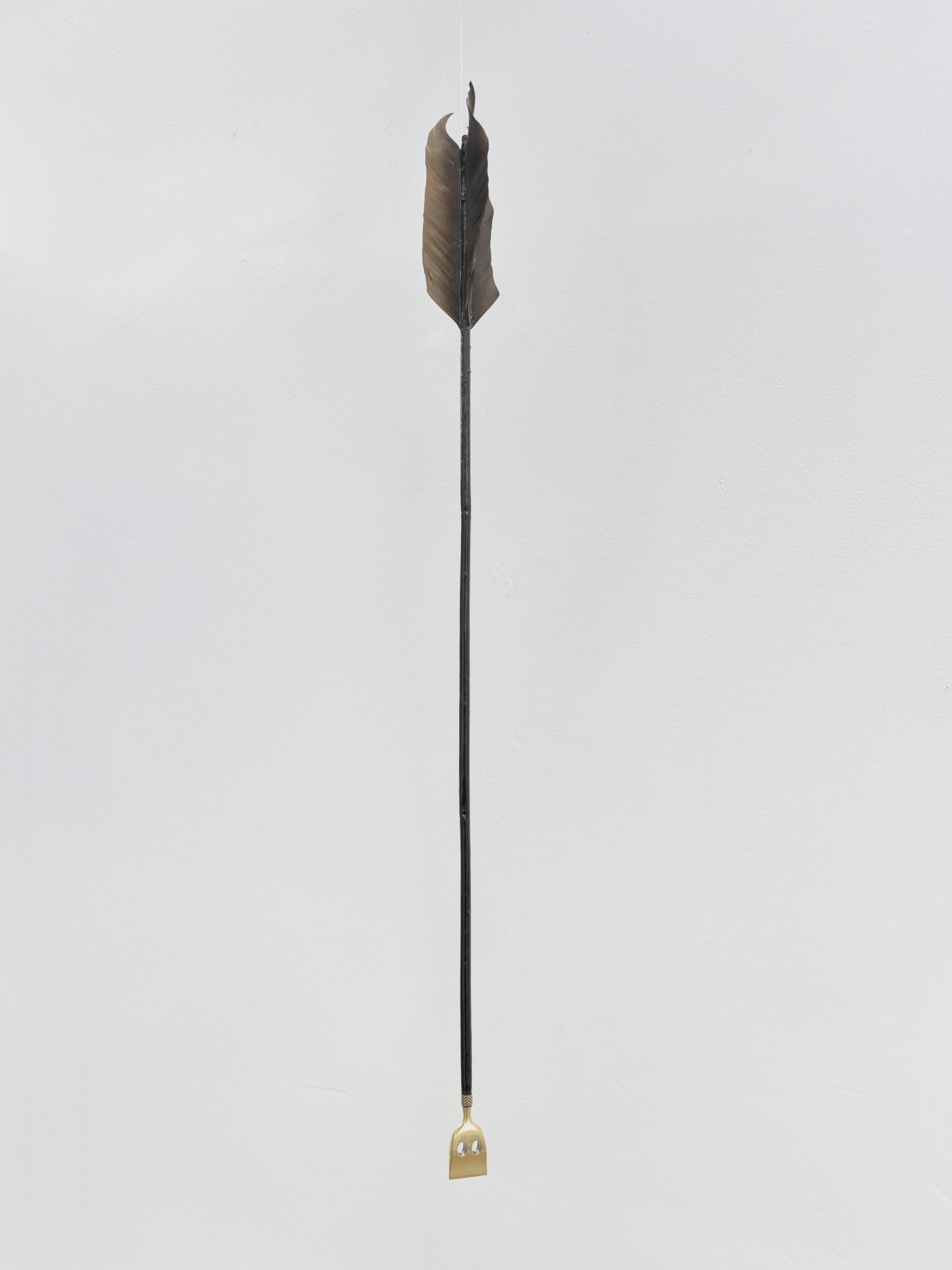
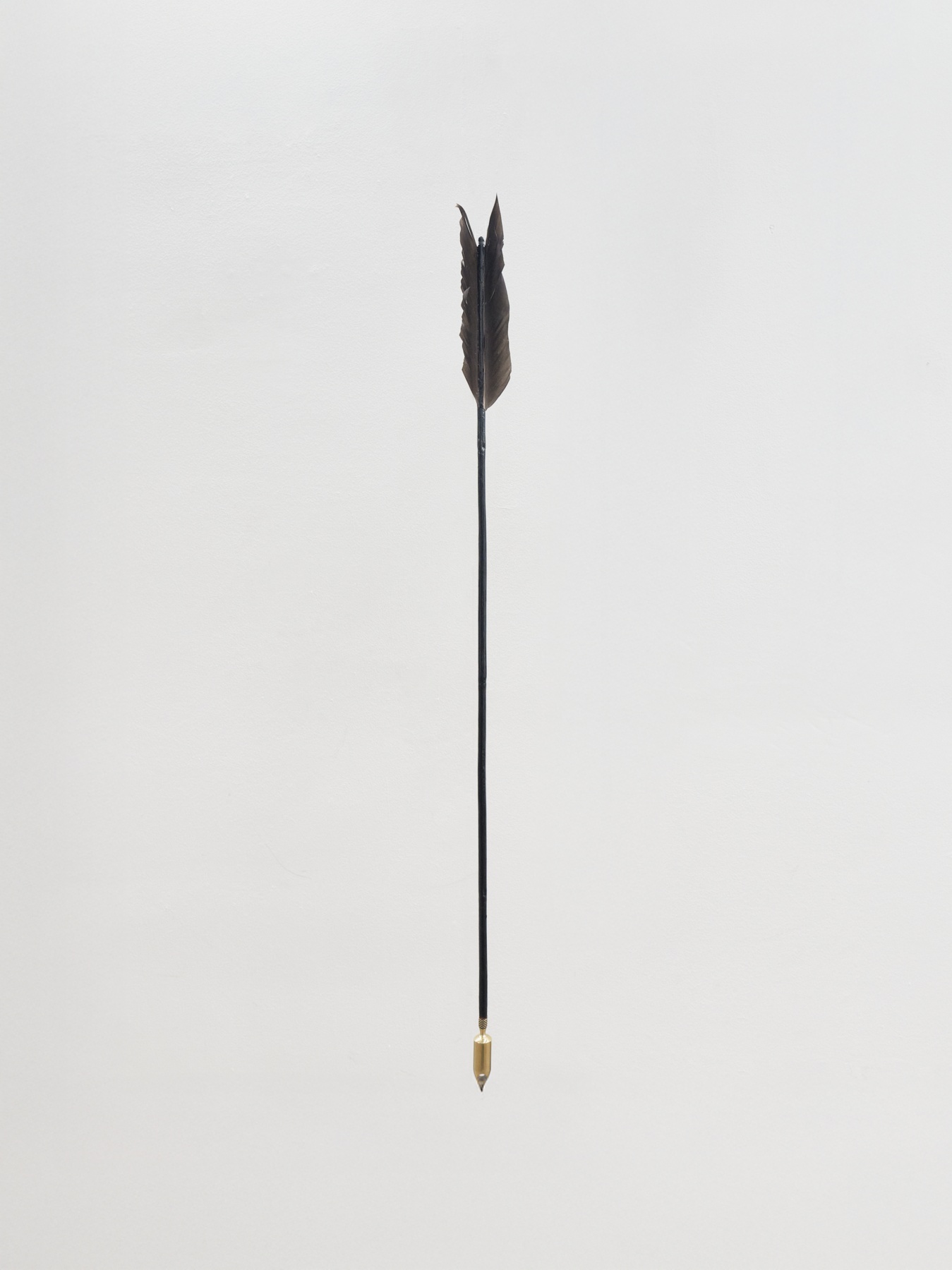
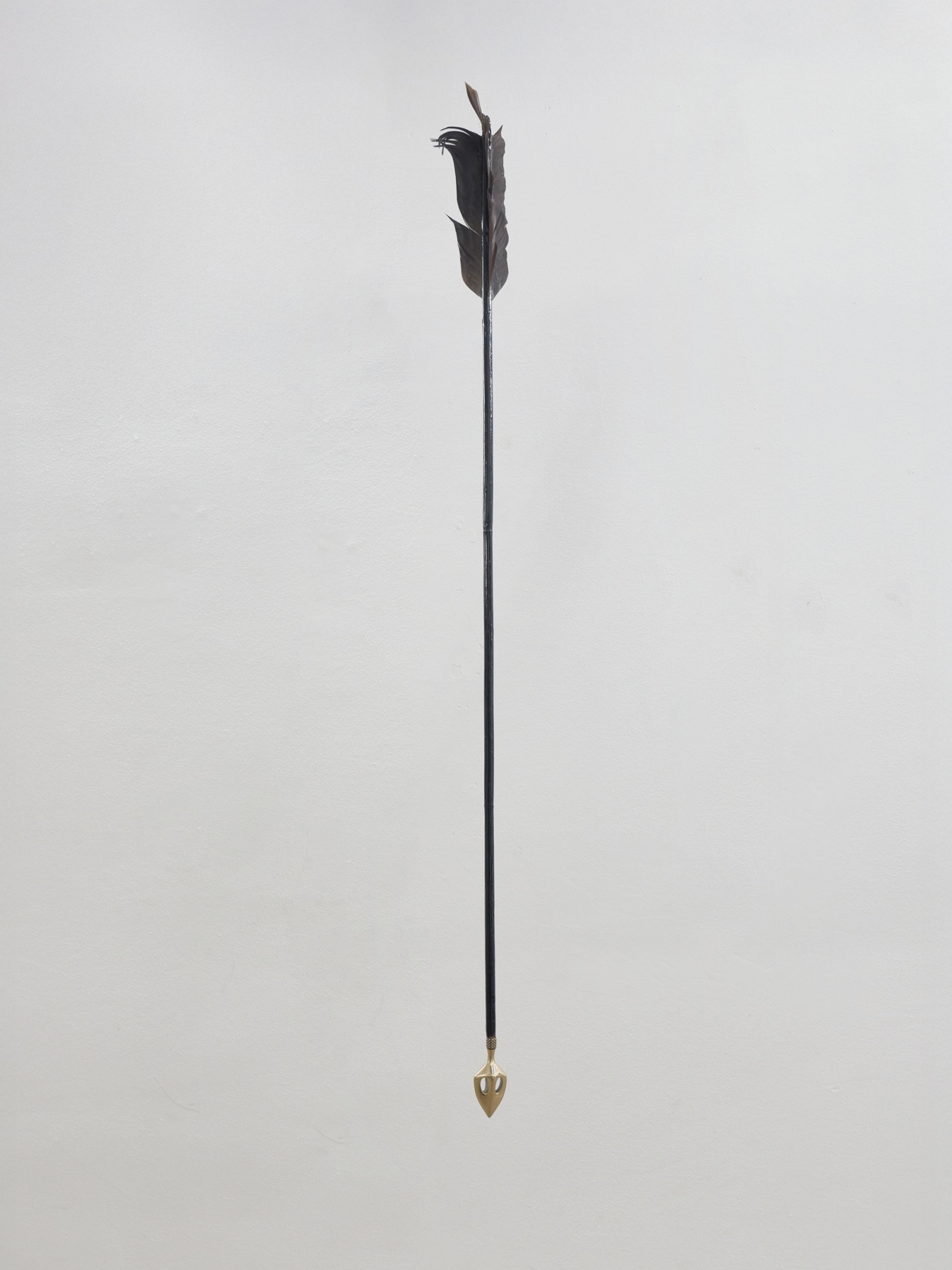
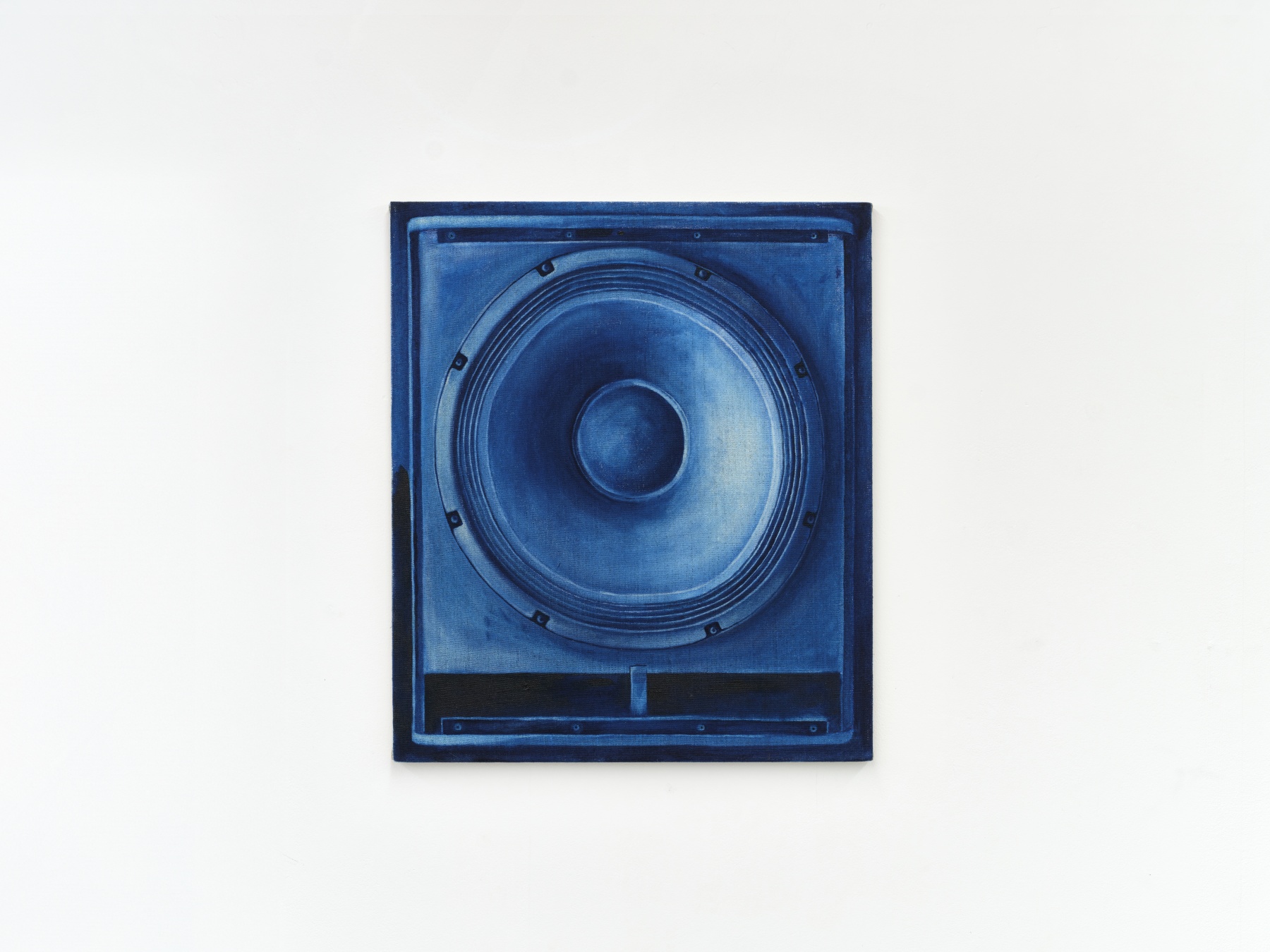
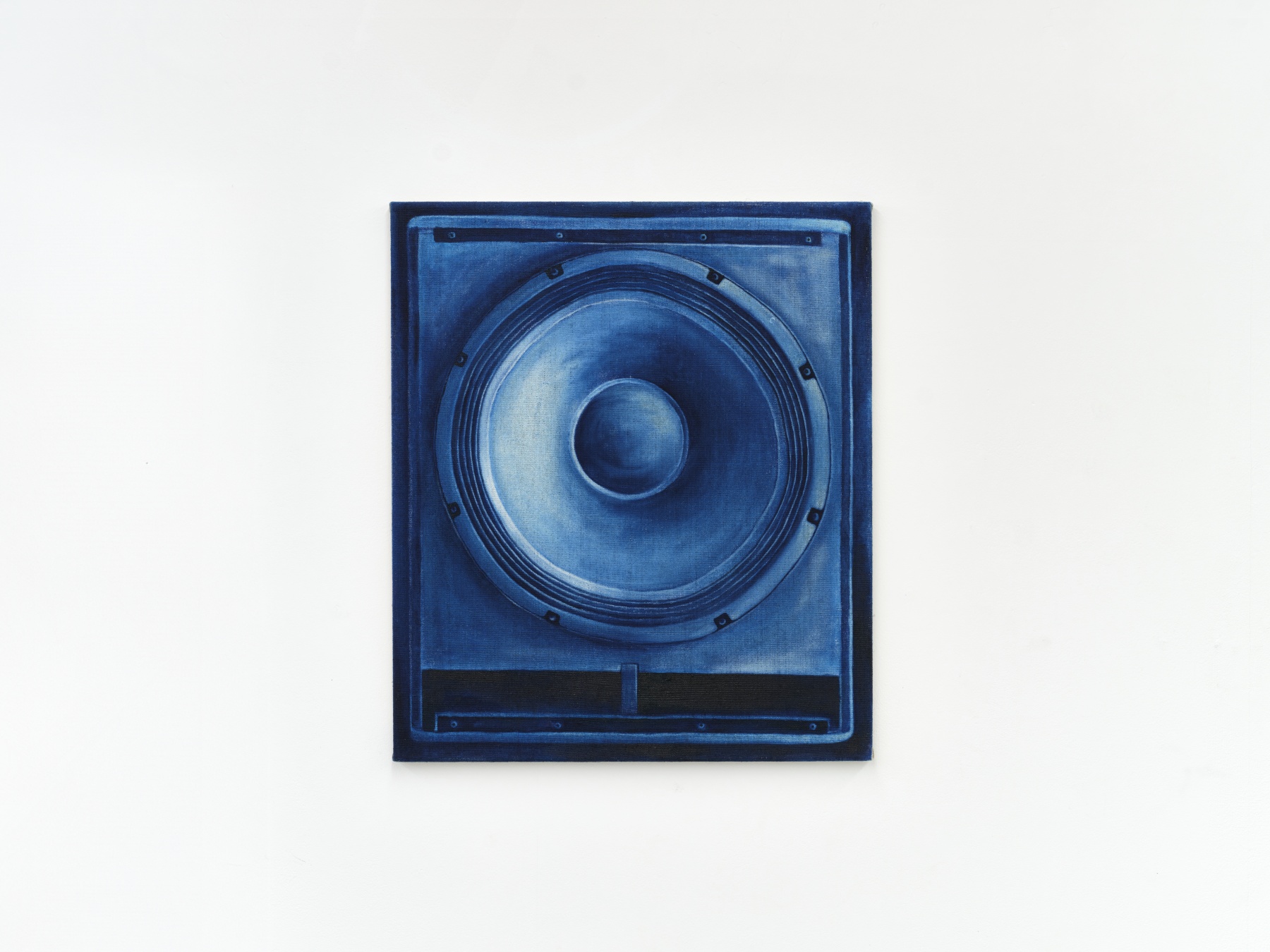
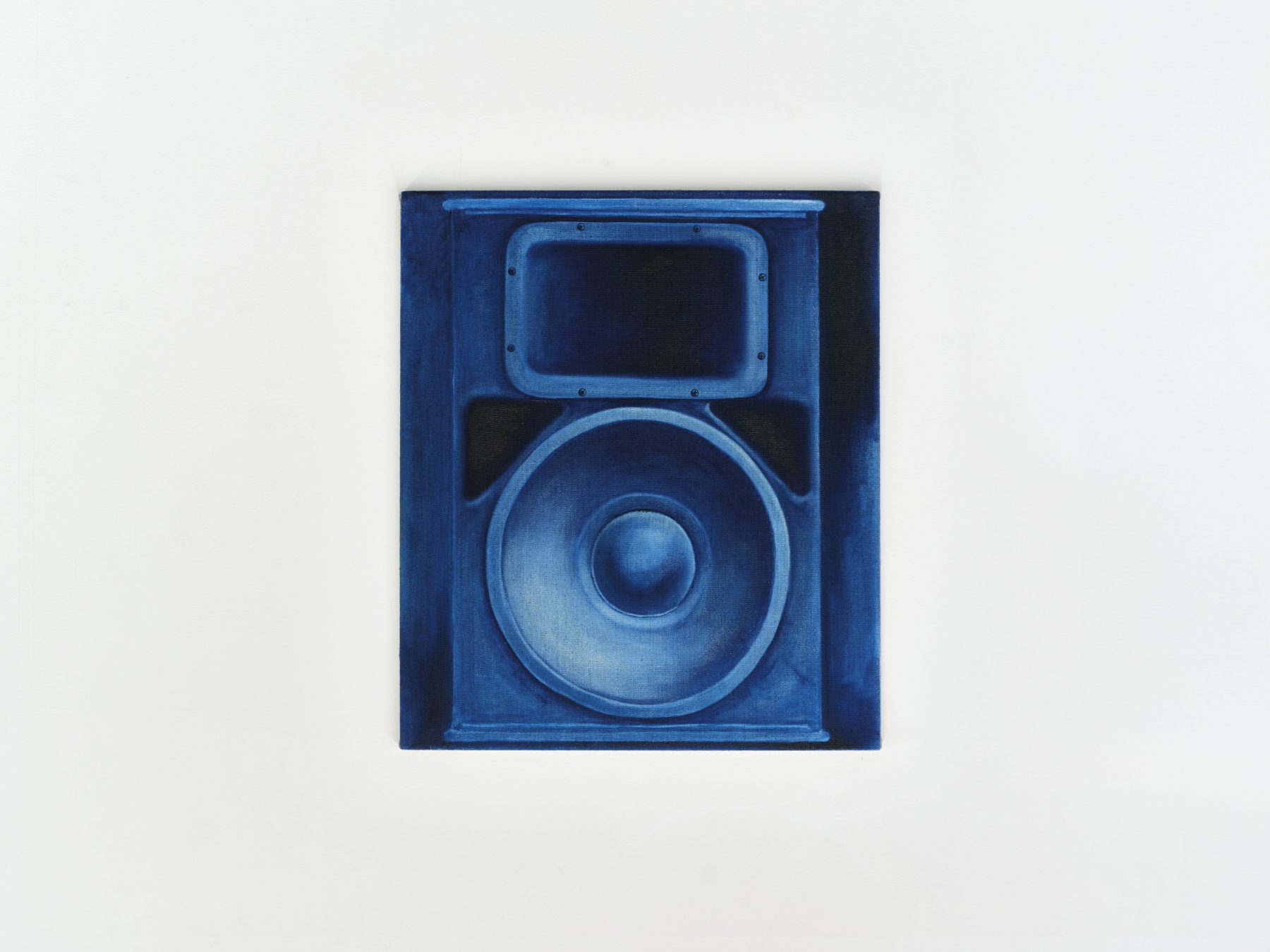
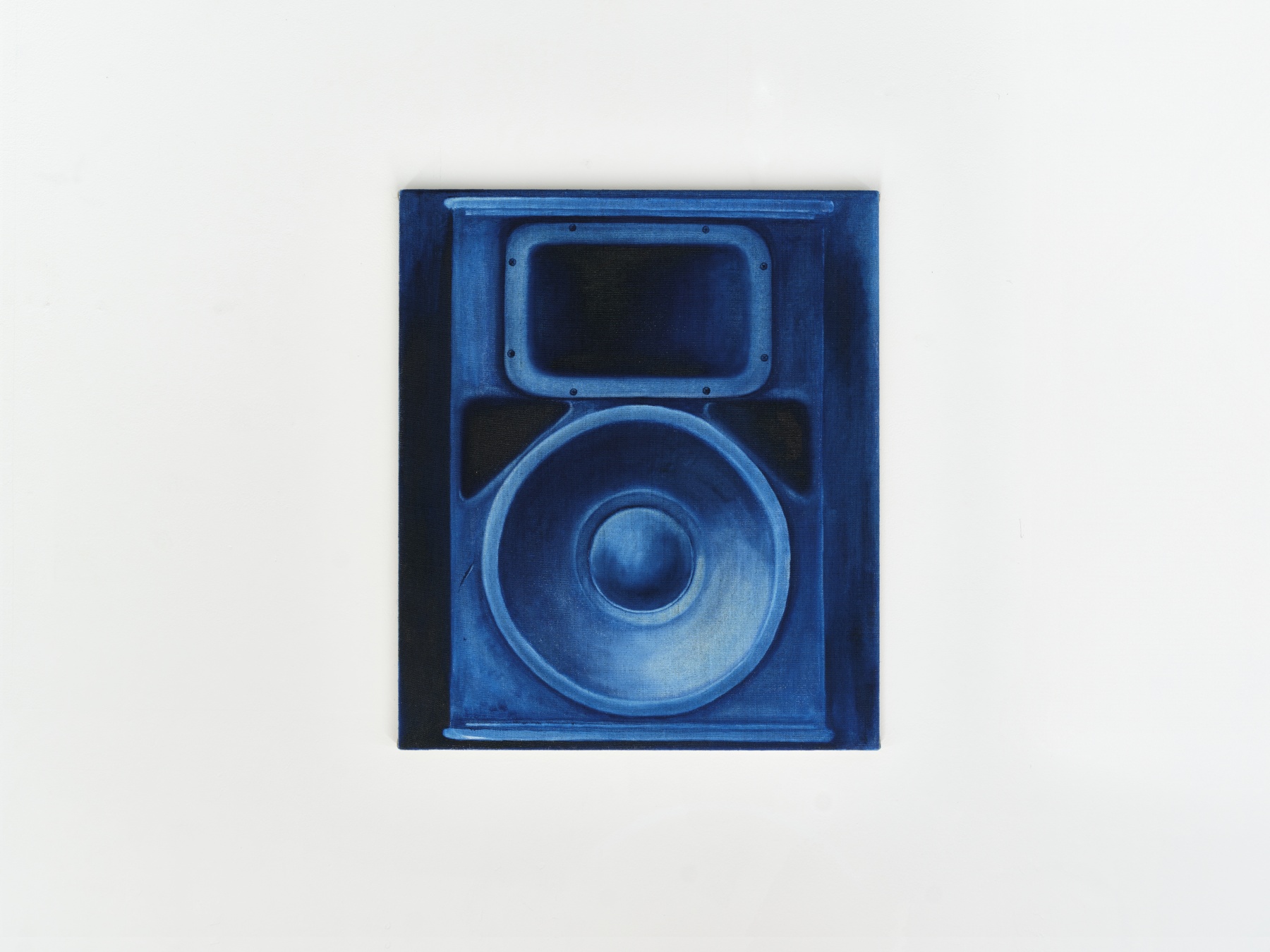
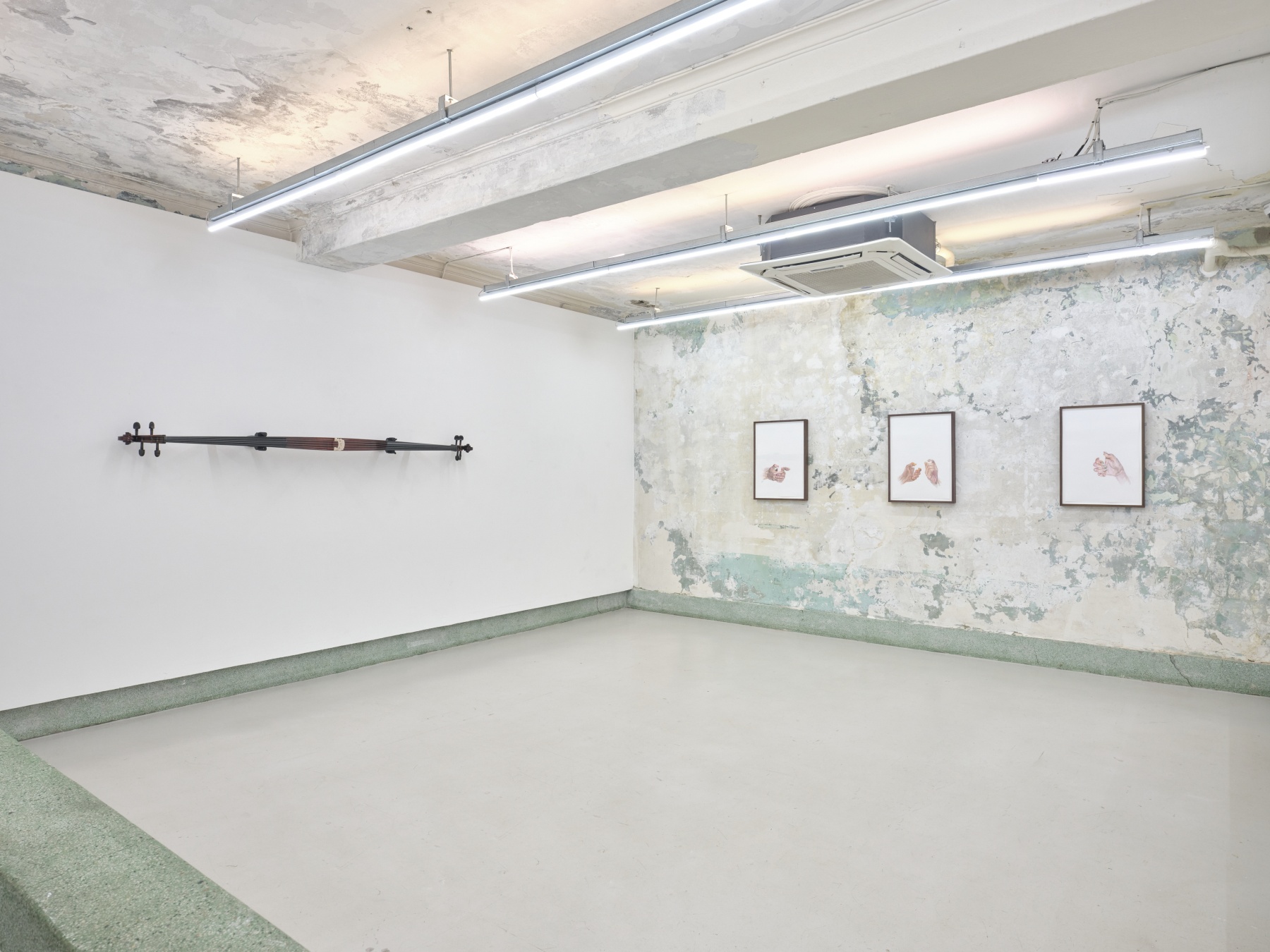
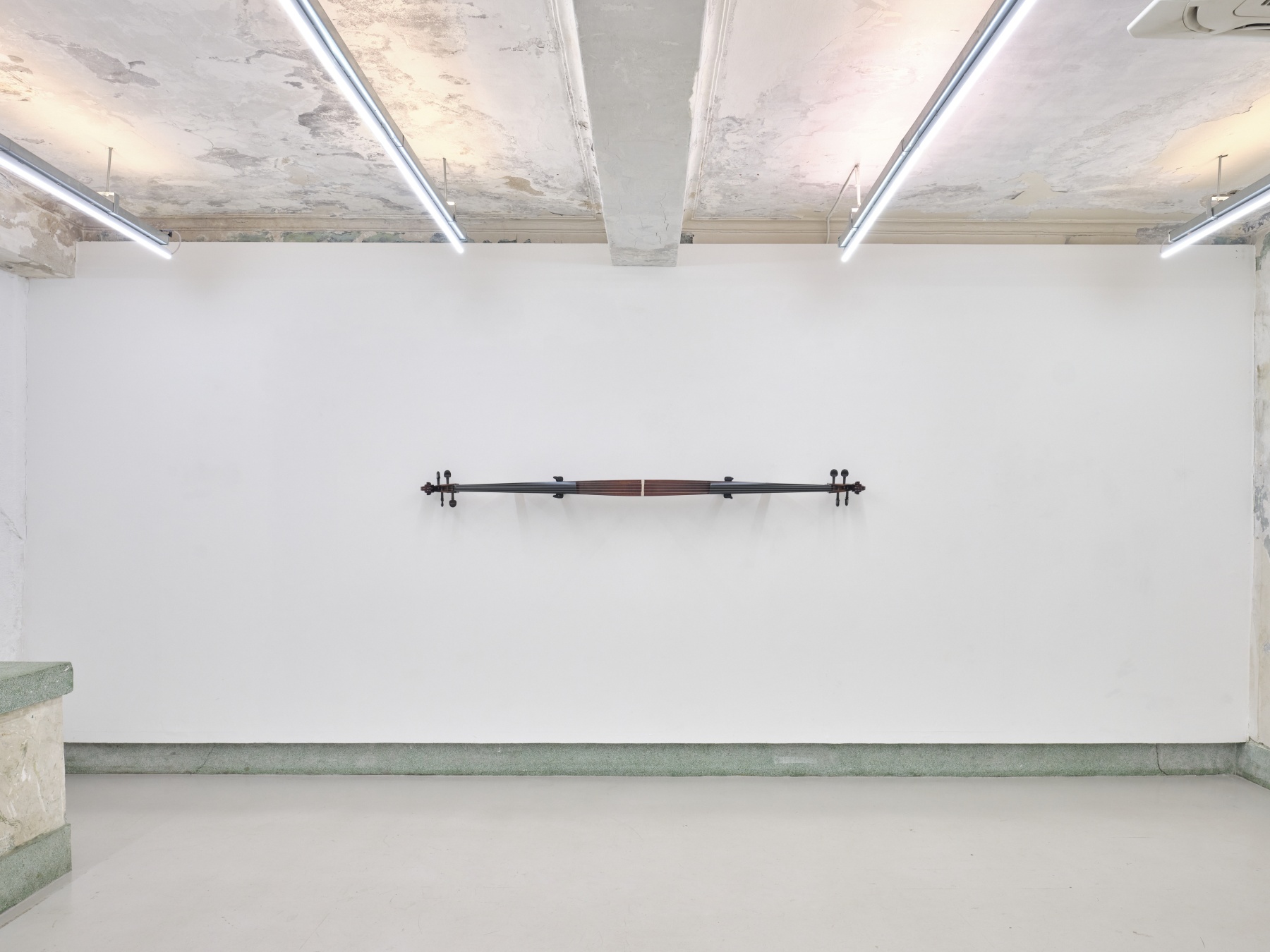
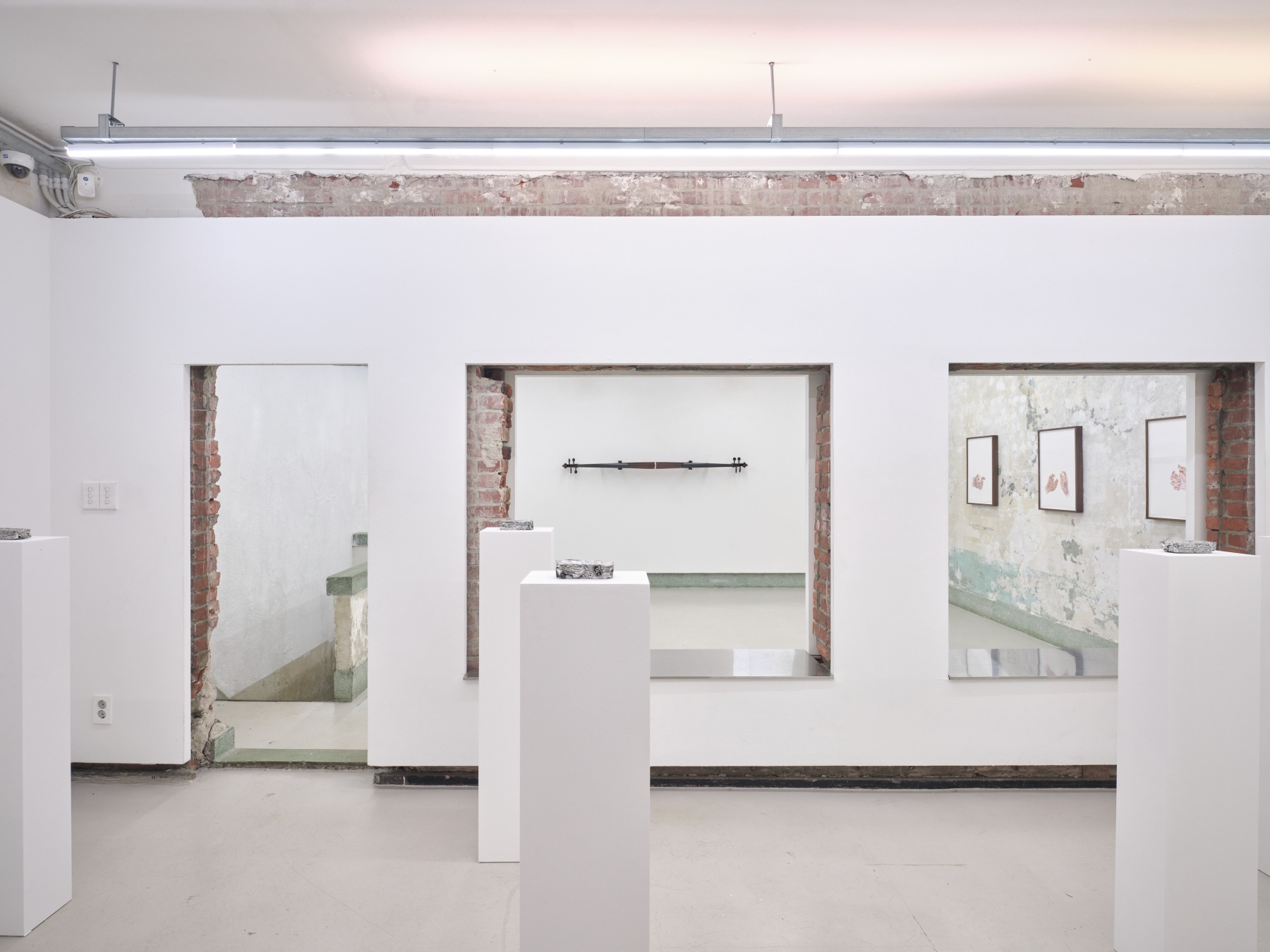
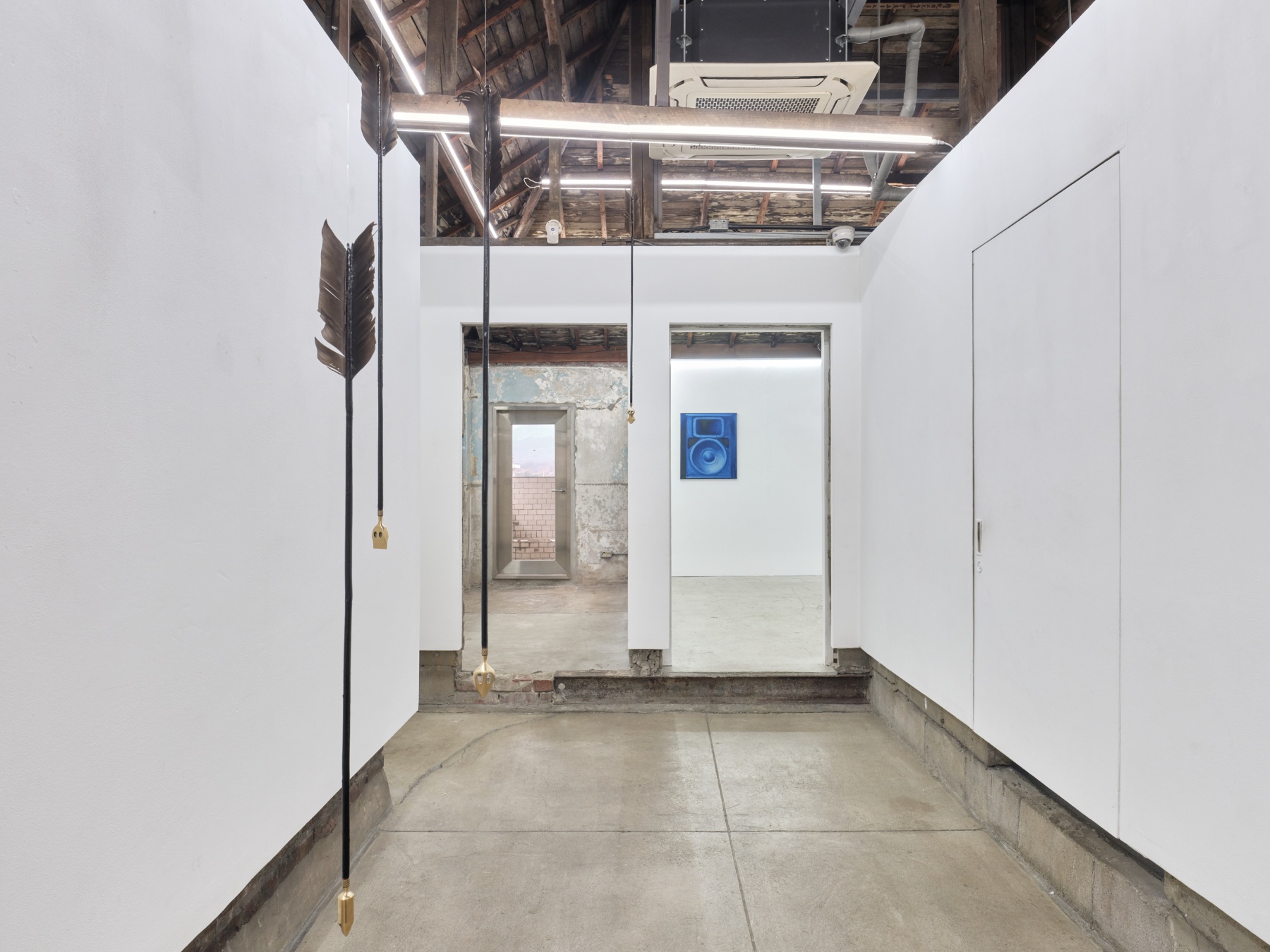
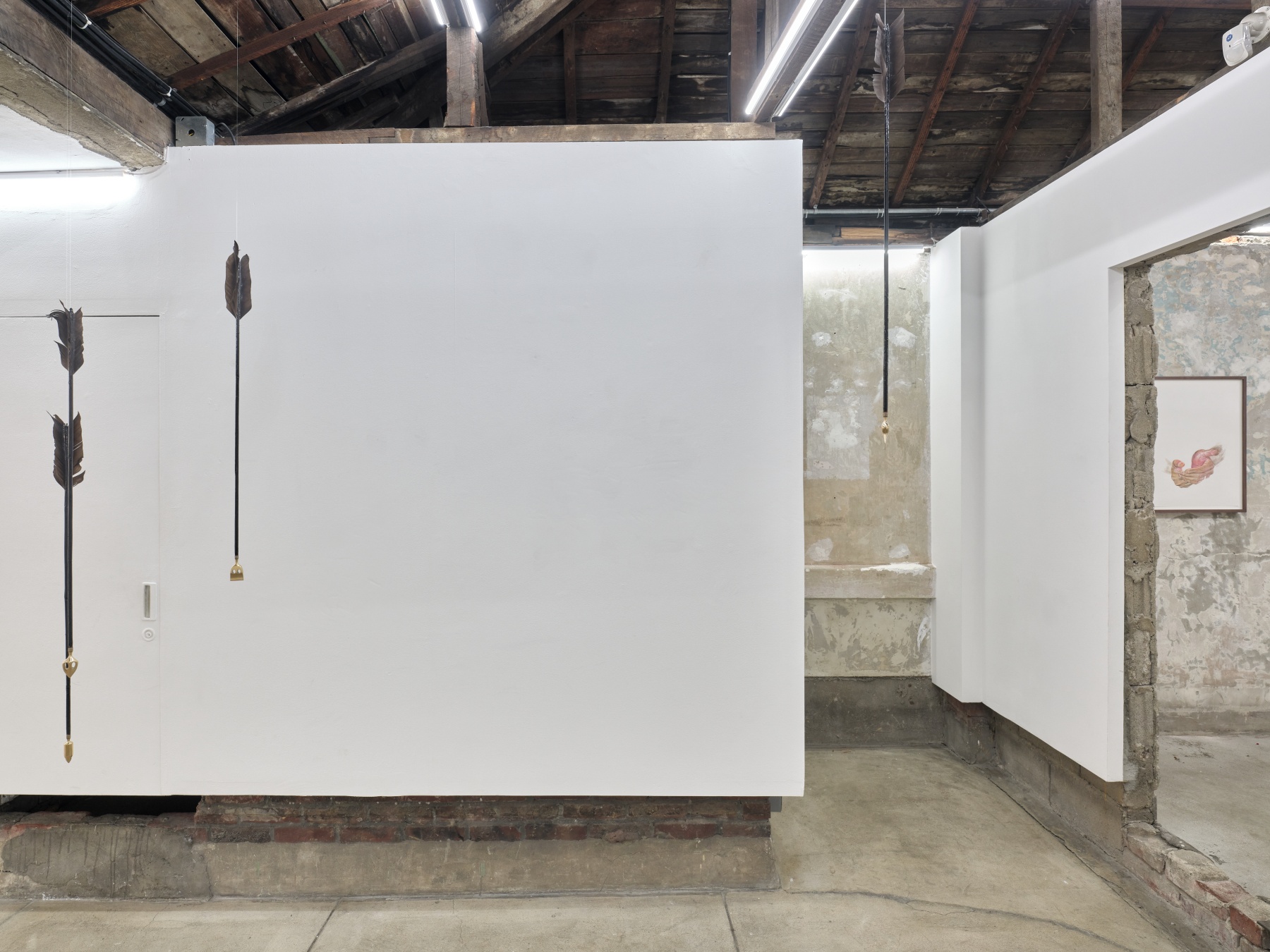
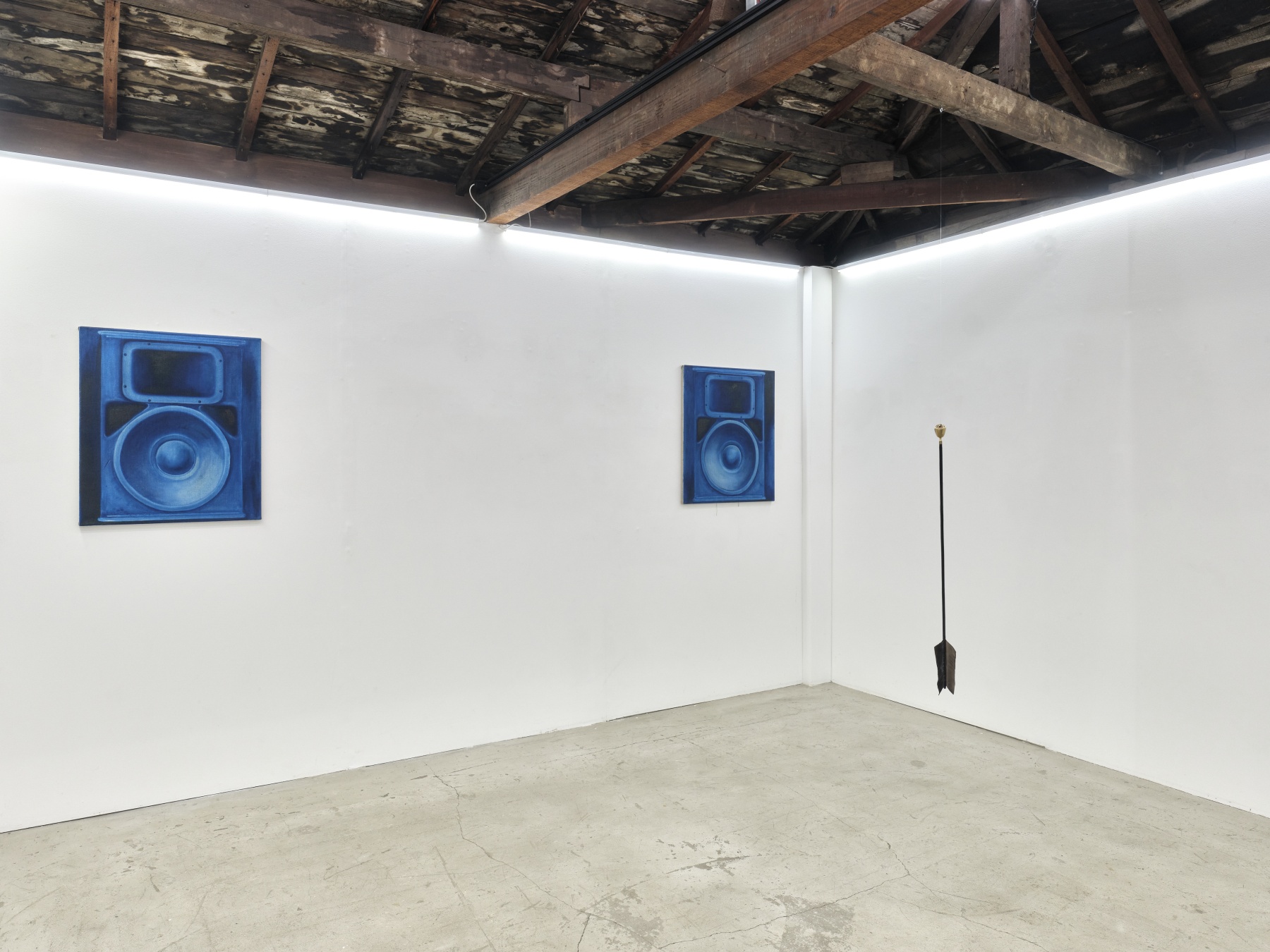
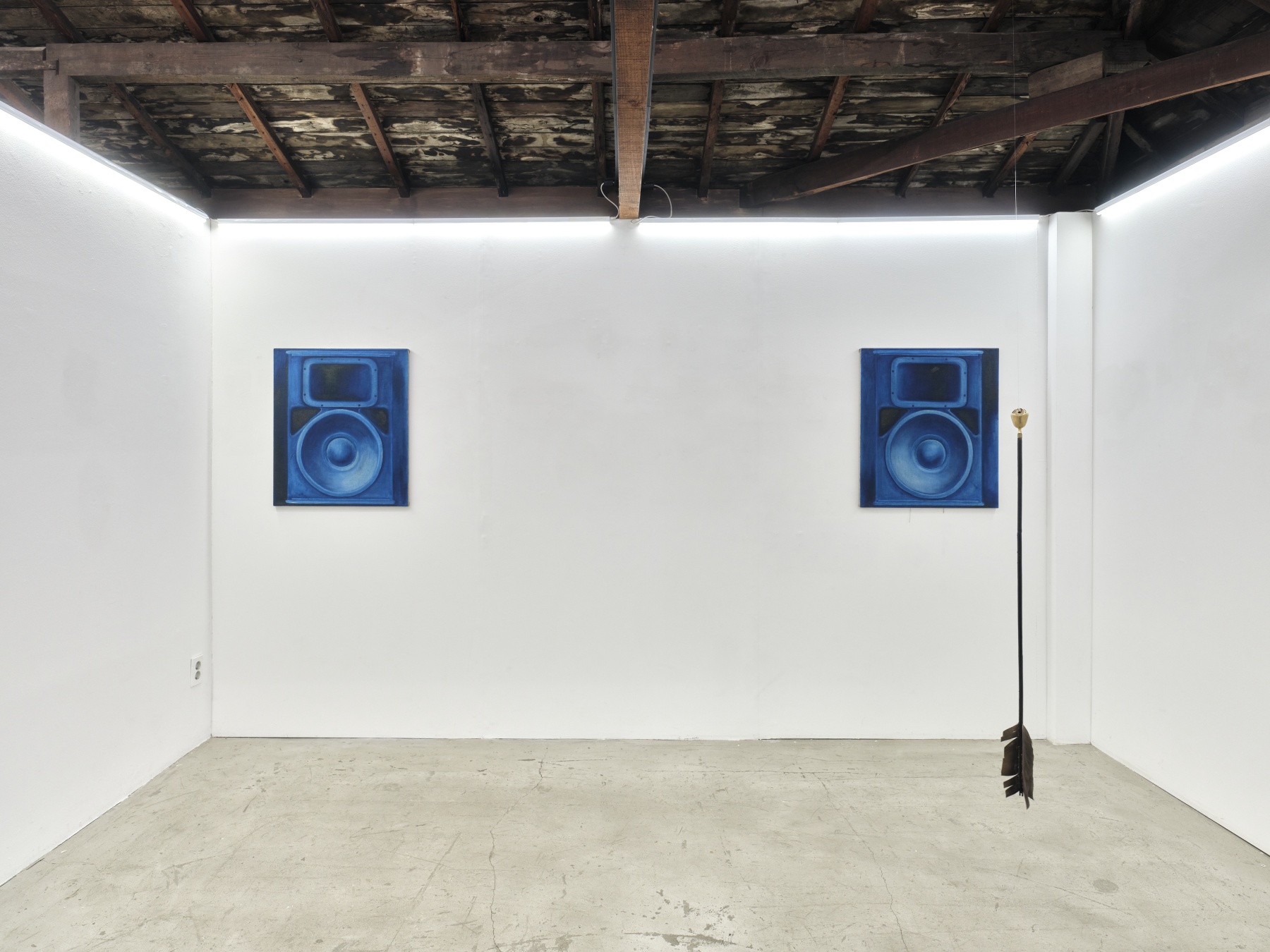
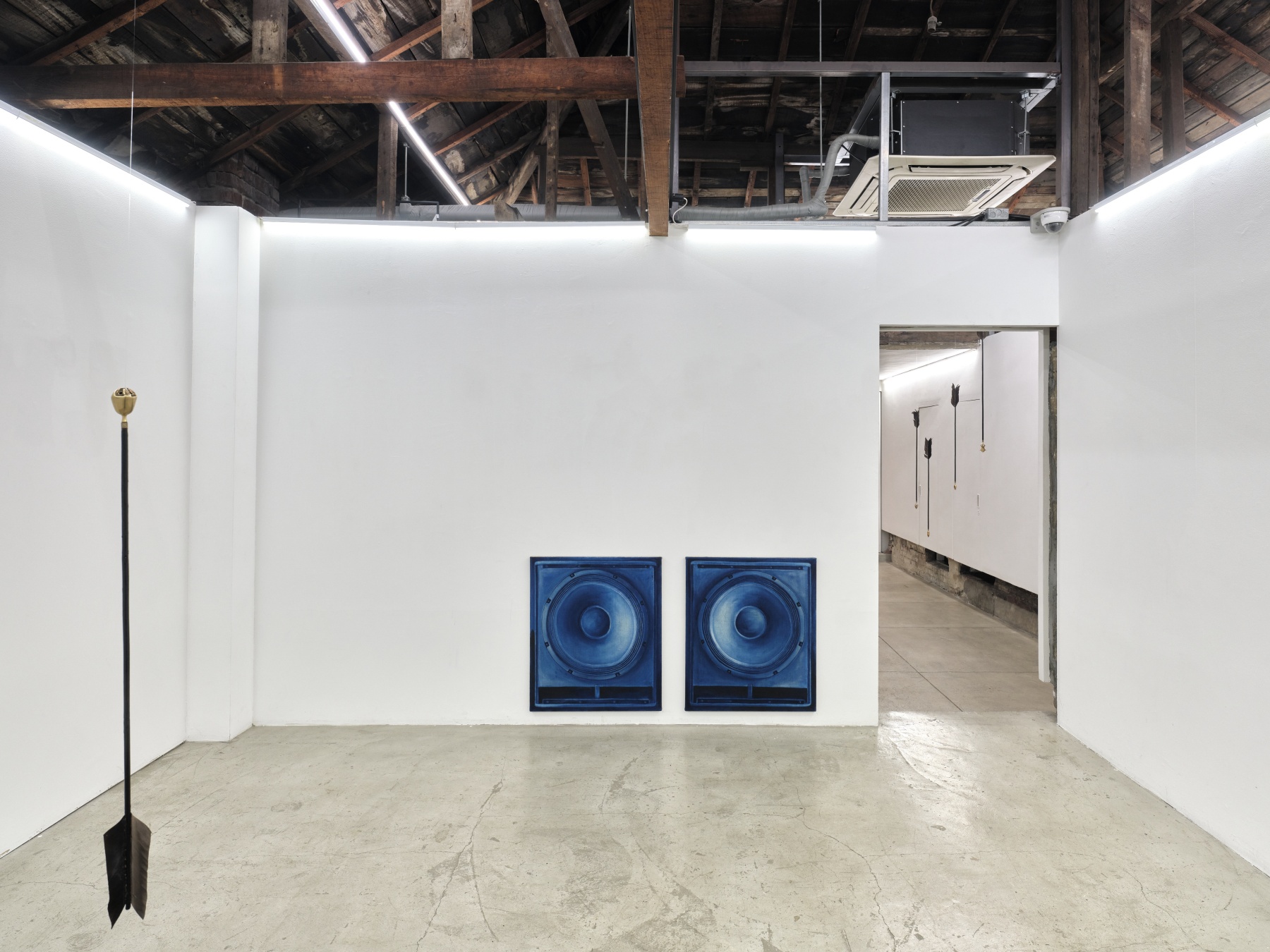
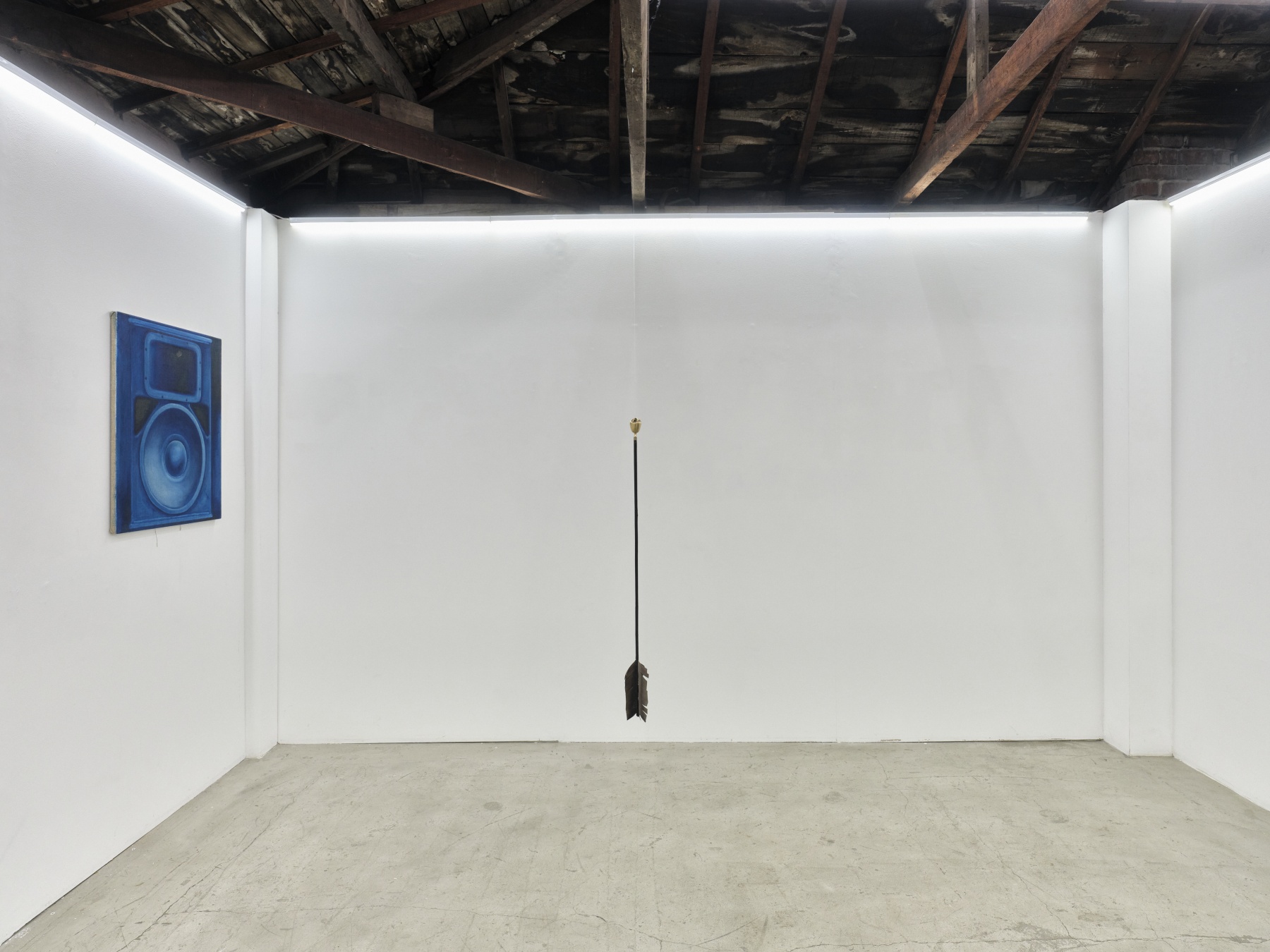
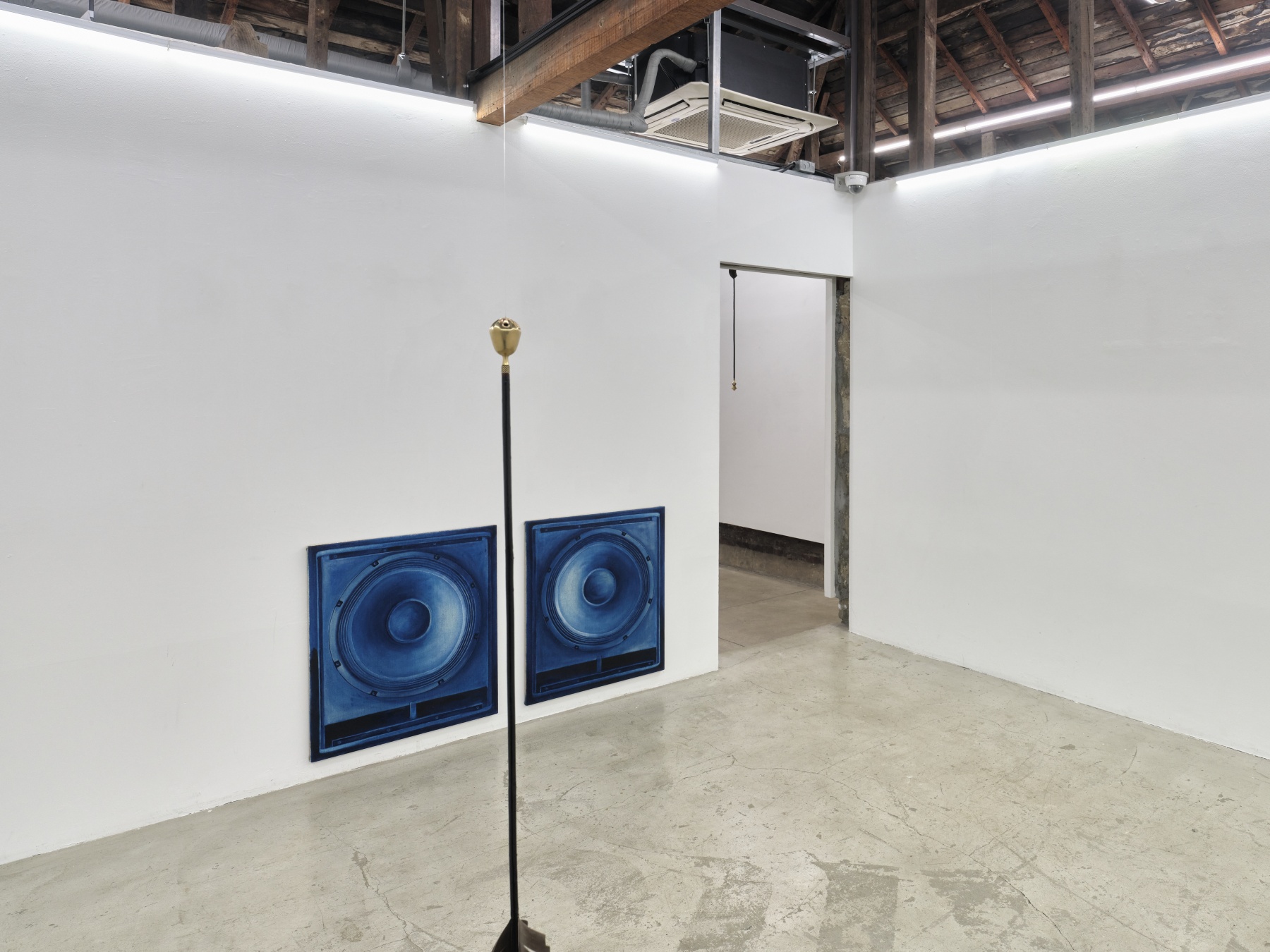
Gang brings the presence of hearing to the fore by subverting and erasing the conventional functions of objects, questioning the hierarchical relationship with vision: cello sculptures composed solely of the fingerboard for the notes—without the resonating body that produces sound or the bow that sets the strings in motion—and transformed arrowheads once shot into the air as sound signaling devices in wartime. In response, Li’s monochrome canvases, which convert the entire surface into speakers and subwoofers, amplify sound within silence while evoking geometric celestial bodies, moving beyond the boundary between sight and sound toward the possibility of other sensory domains.
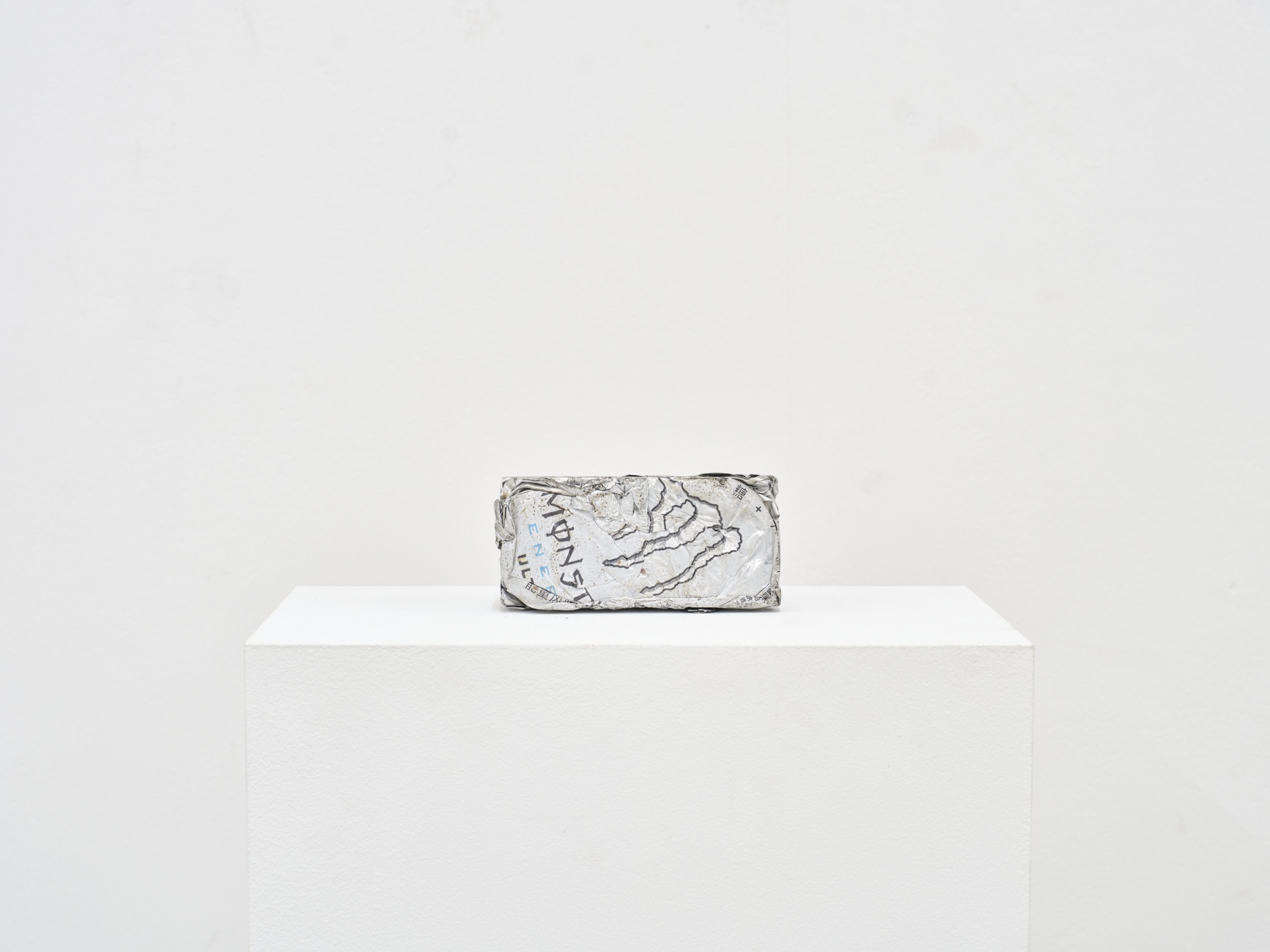
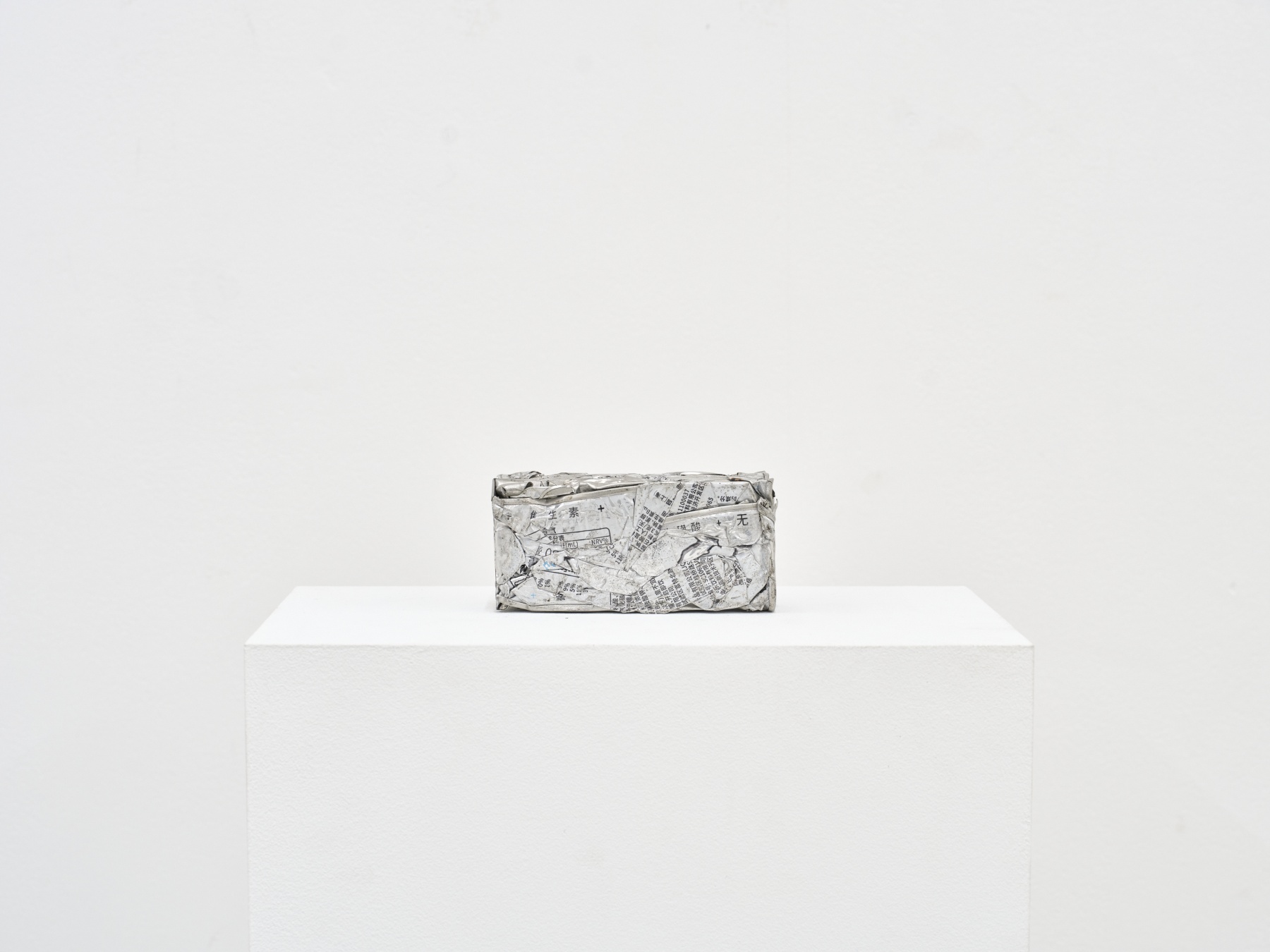
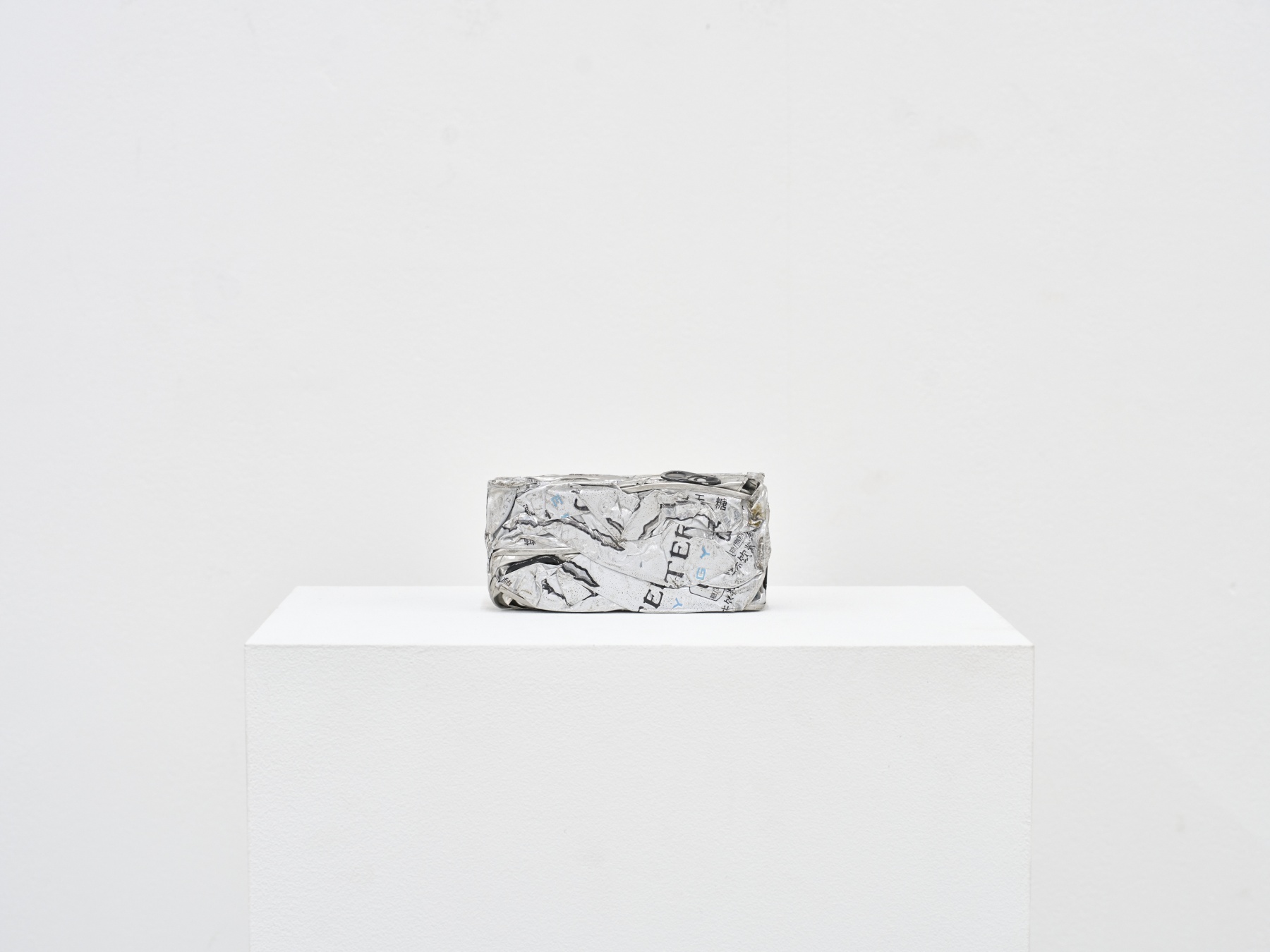
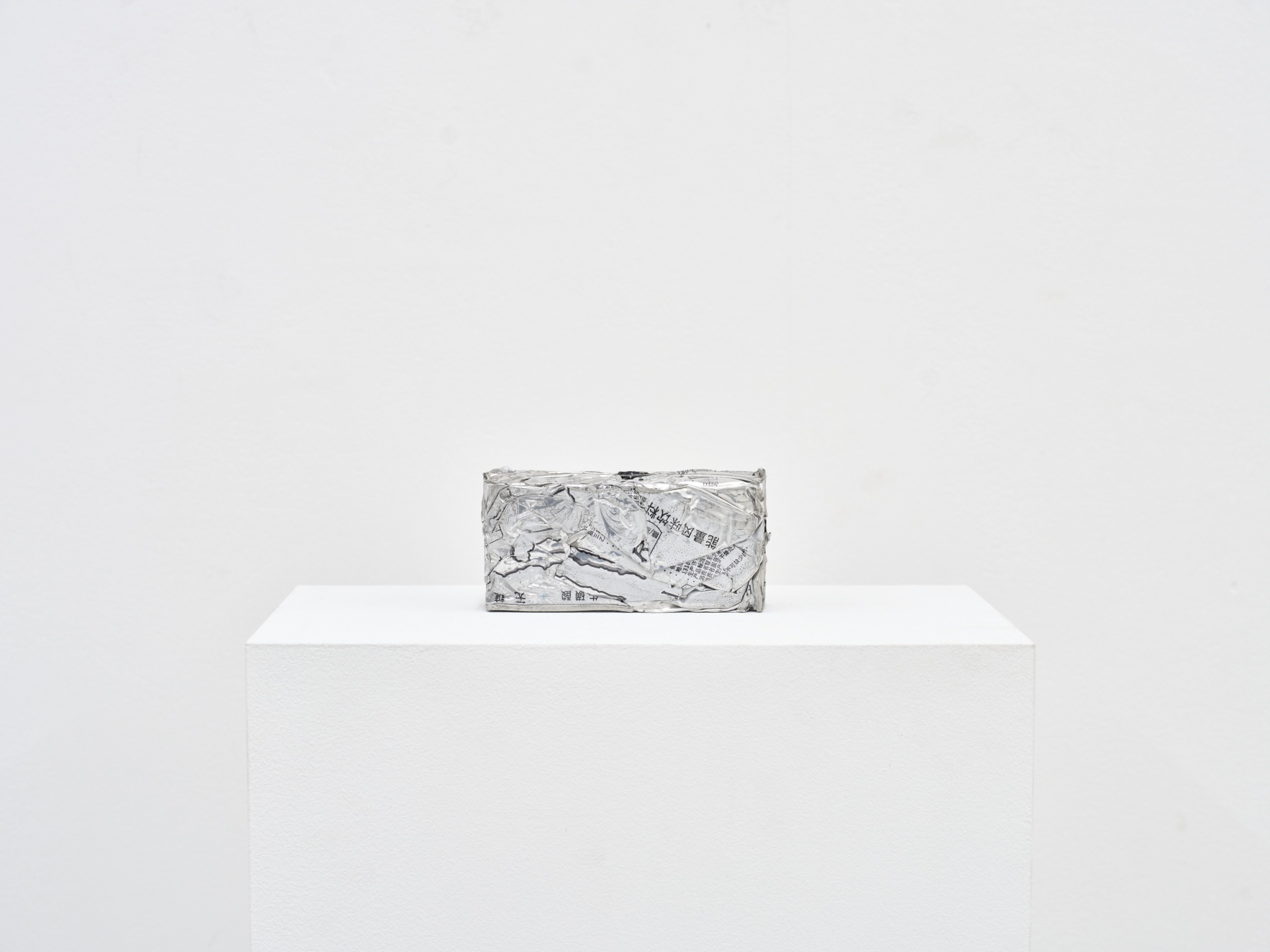
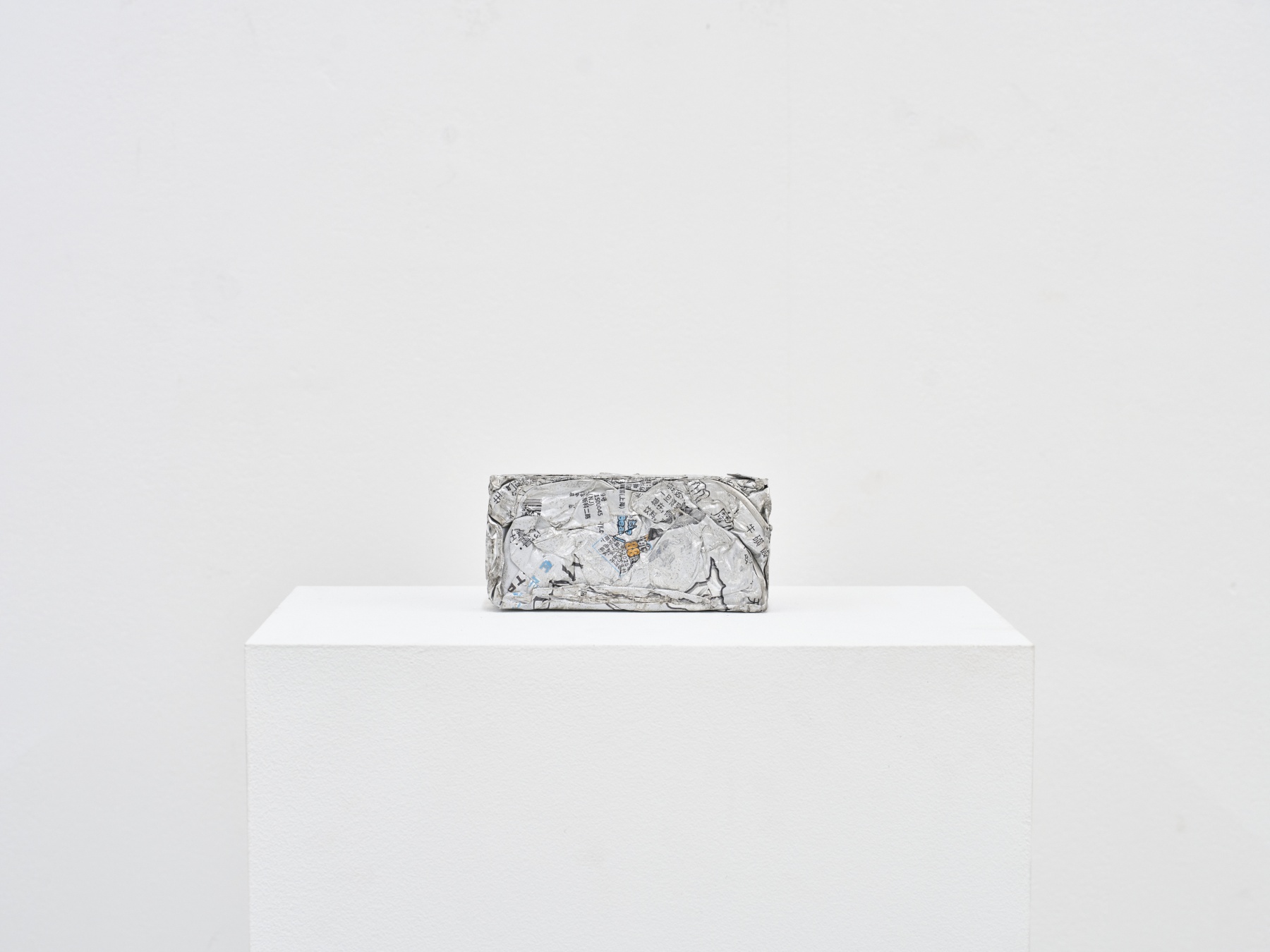
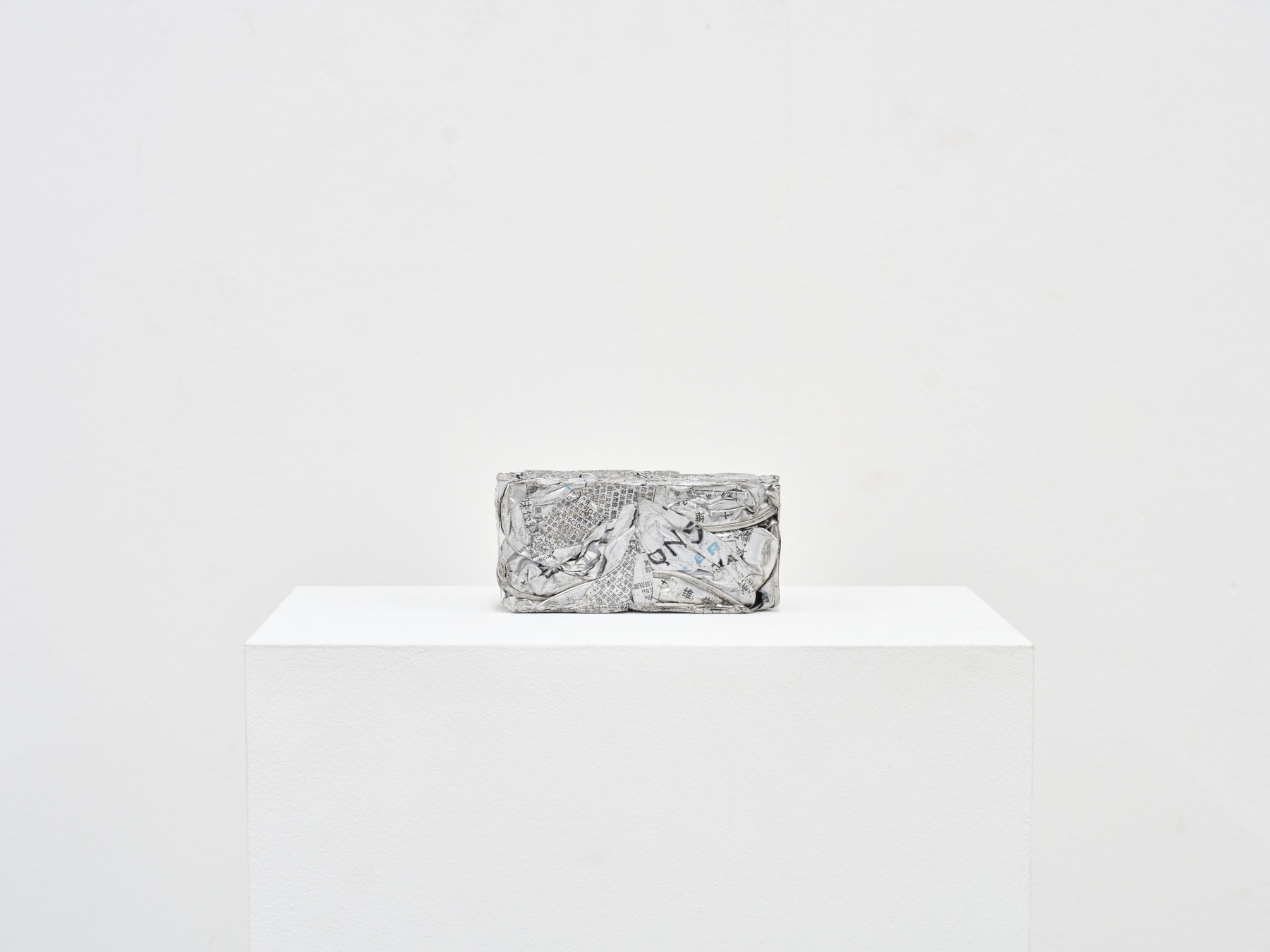
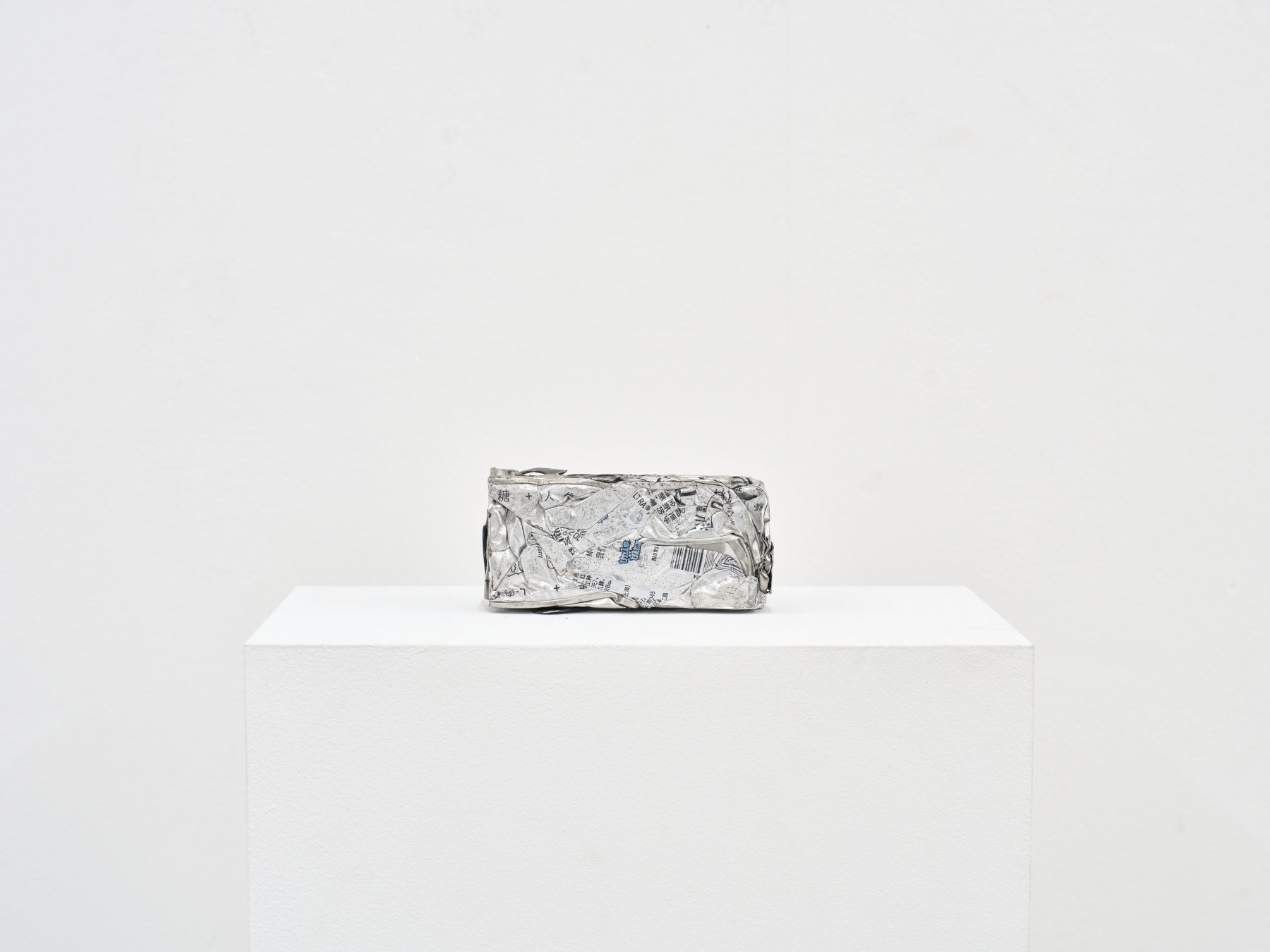
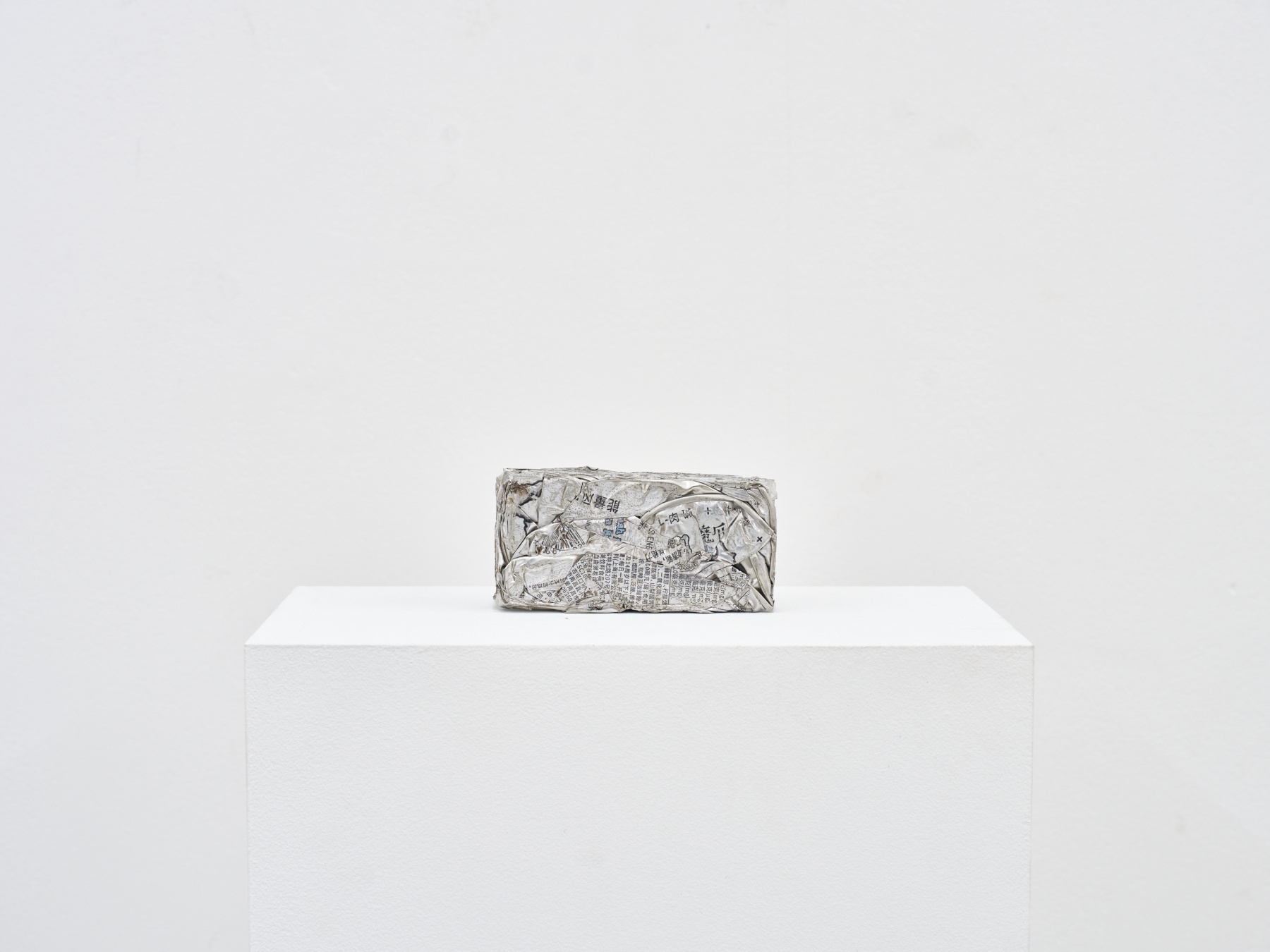
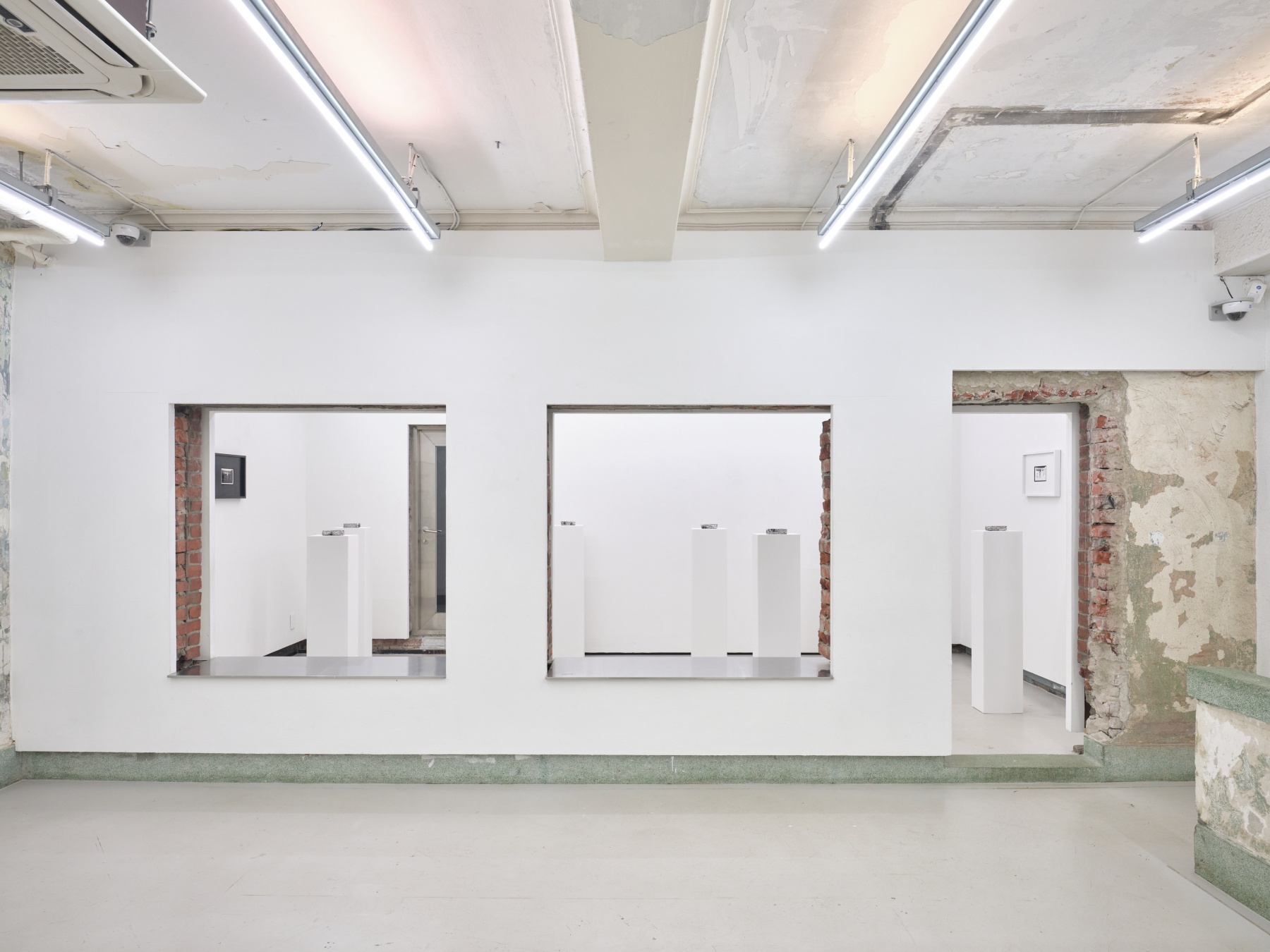
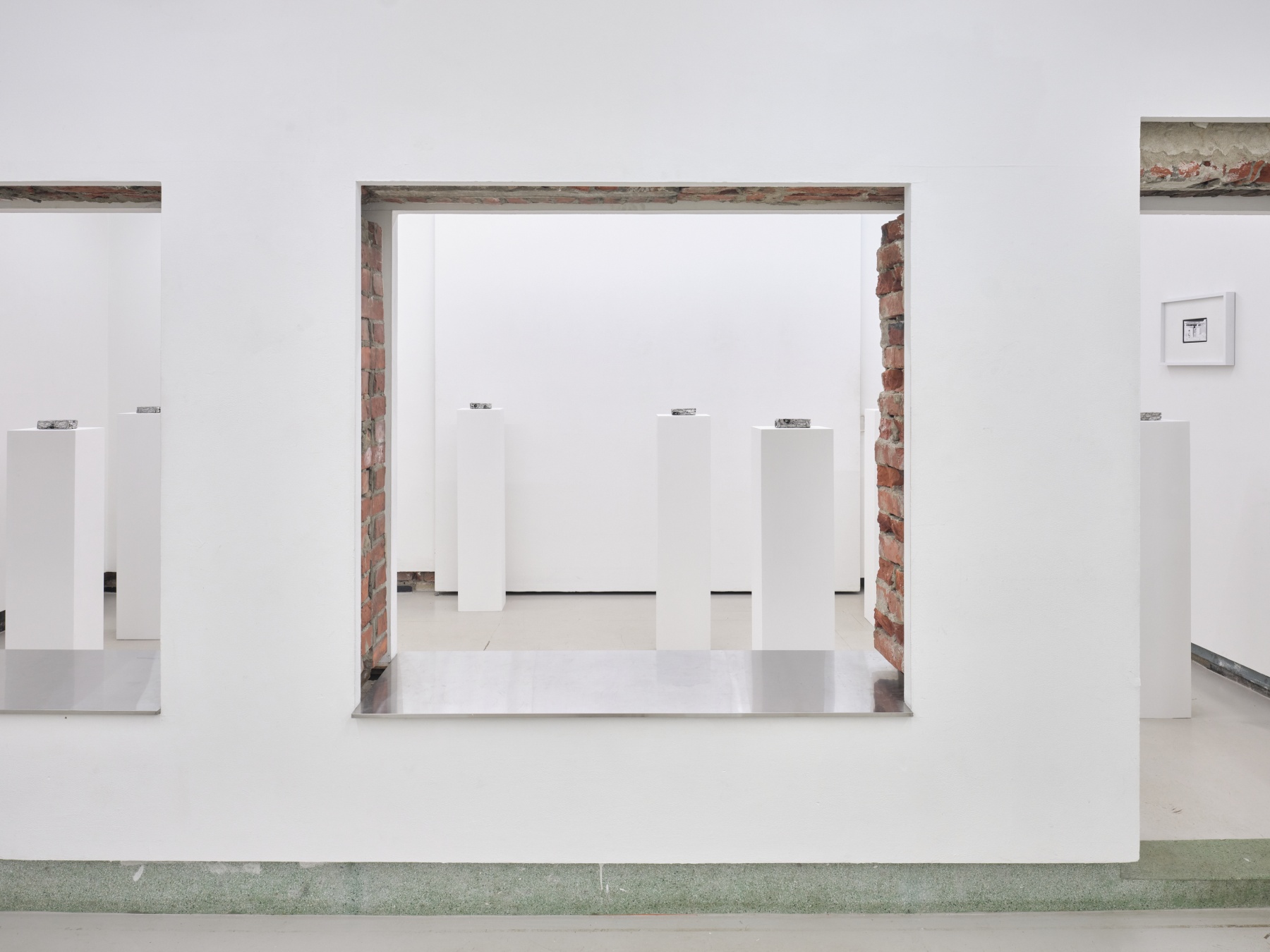
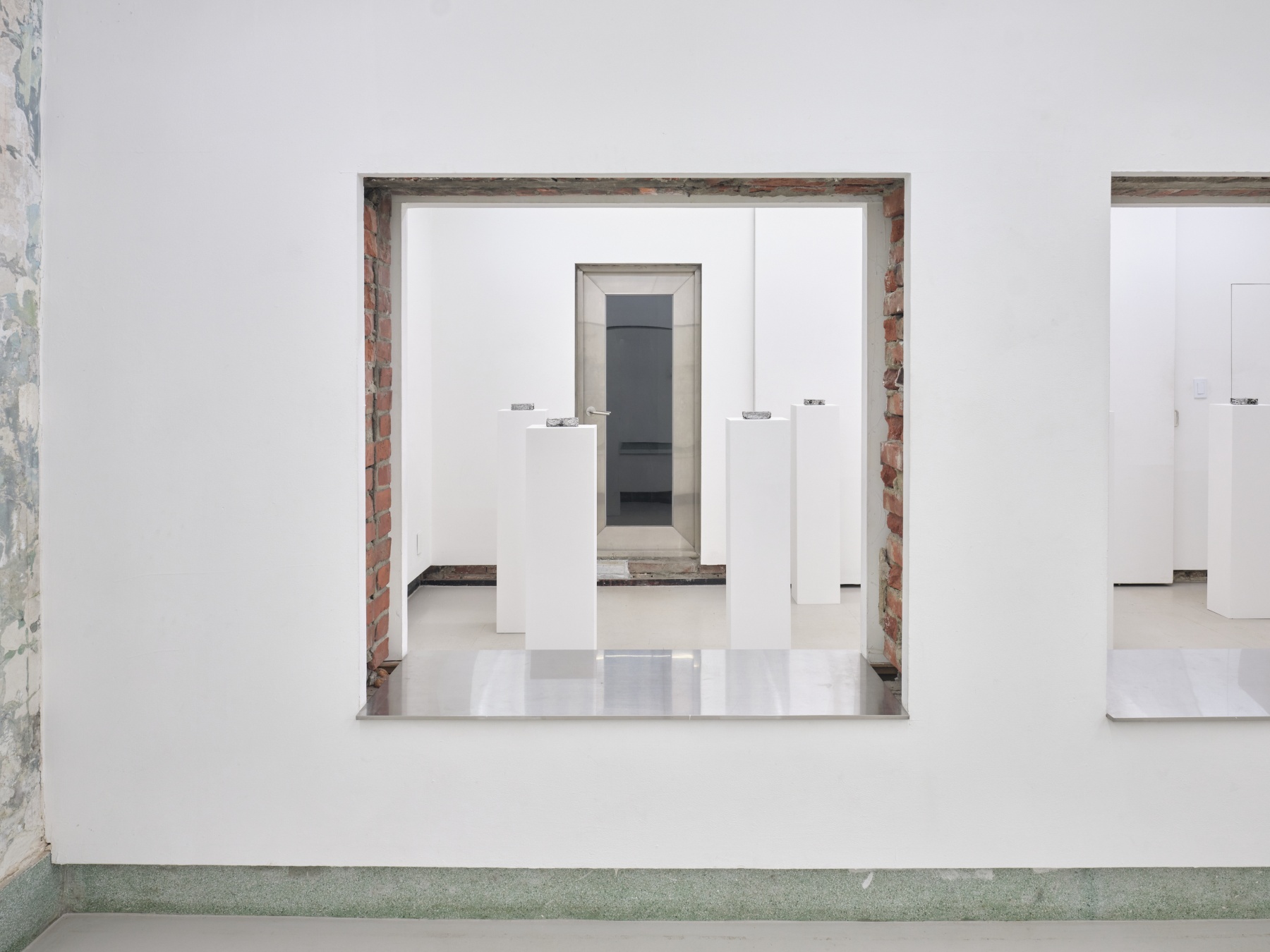
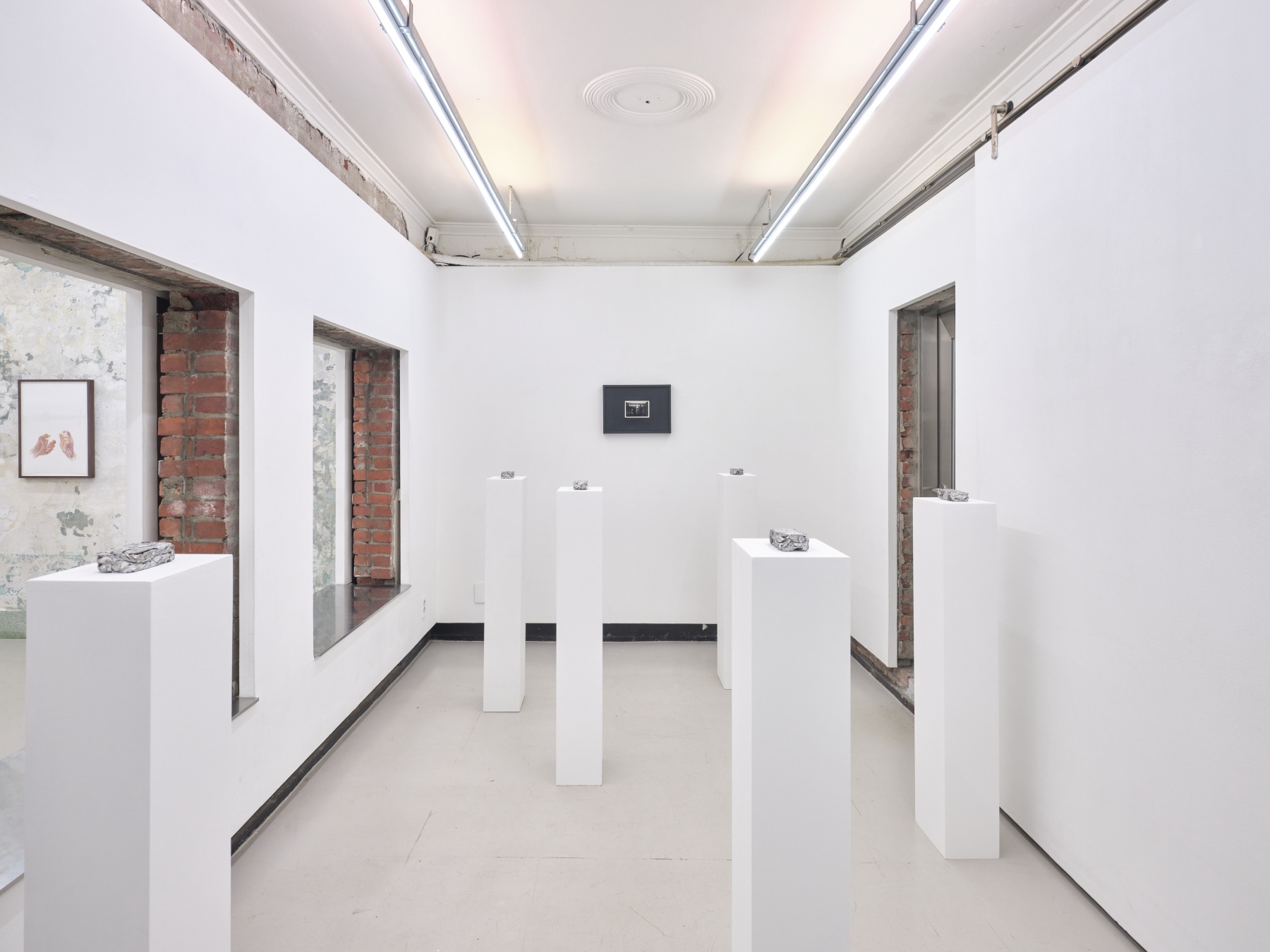
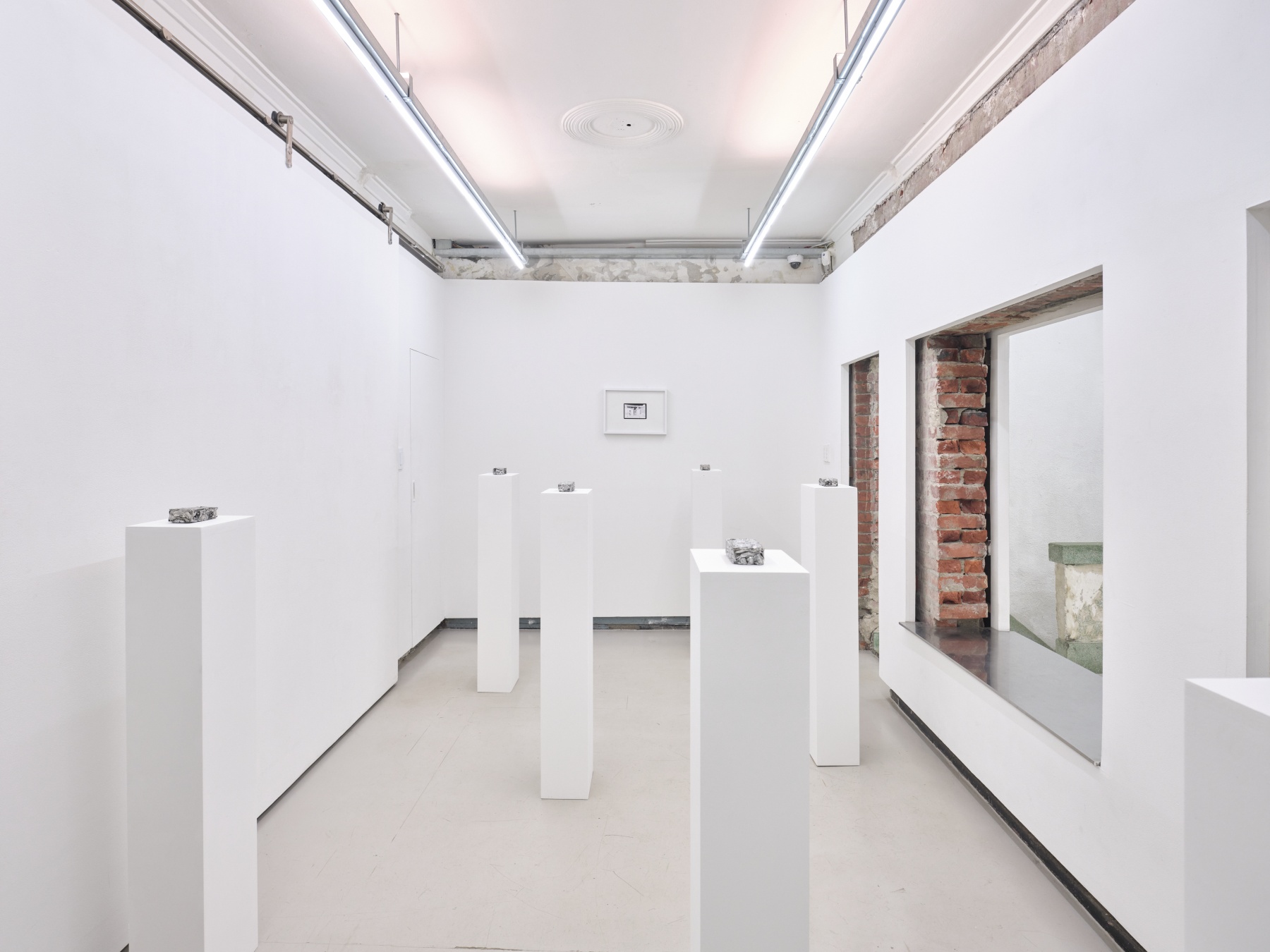
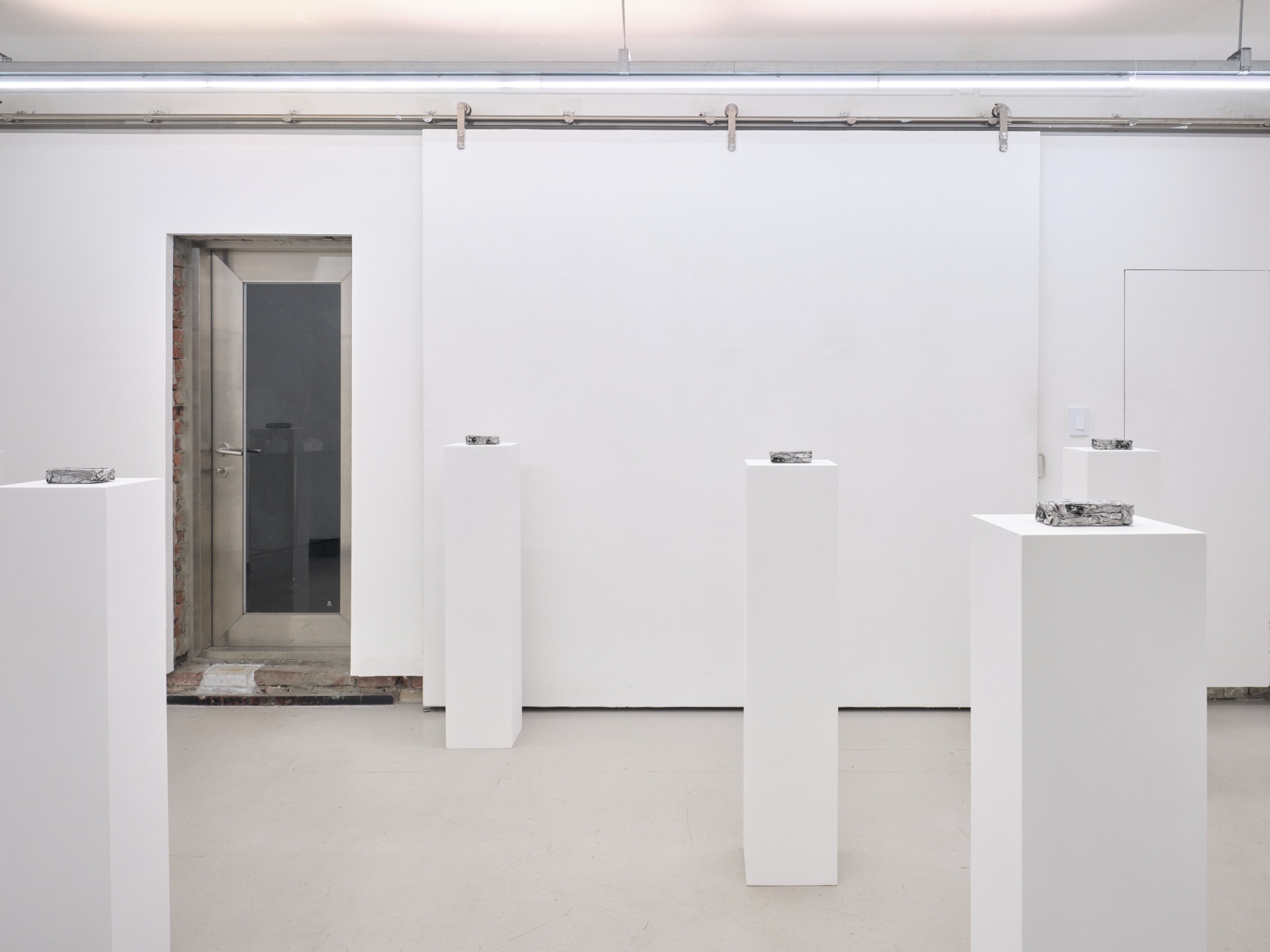
Their work moves beyond an inquiry into human senses as classified through the modes of abstraction and figuration. It extends to how these senses are utilized, manipulated, and instrumentalized to become incorporated into, or help form the basis of, social structures. Under strict drug control policies in China, Monster energy drinks, consumed among youth as a kind of recreational substance, are compressed by Li into forms resembling bricks or silver bars, evoking units of value and revealing how invisible, fleeting experiences of entertainment and stimulation are commodified within social structures.
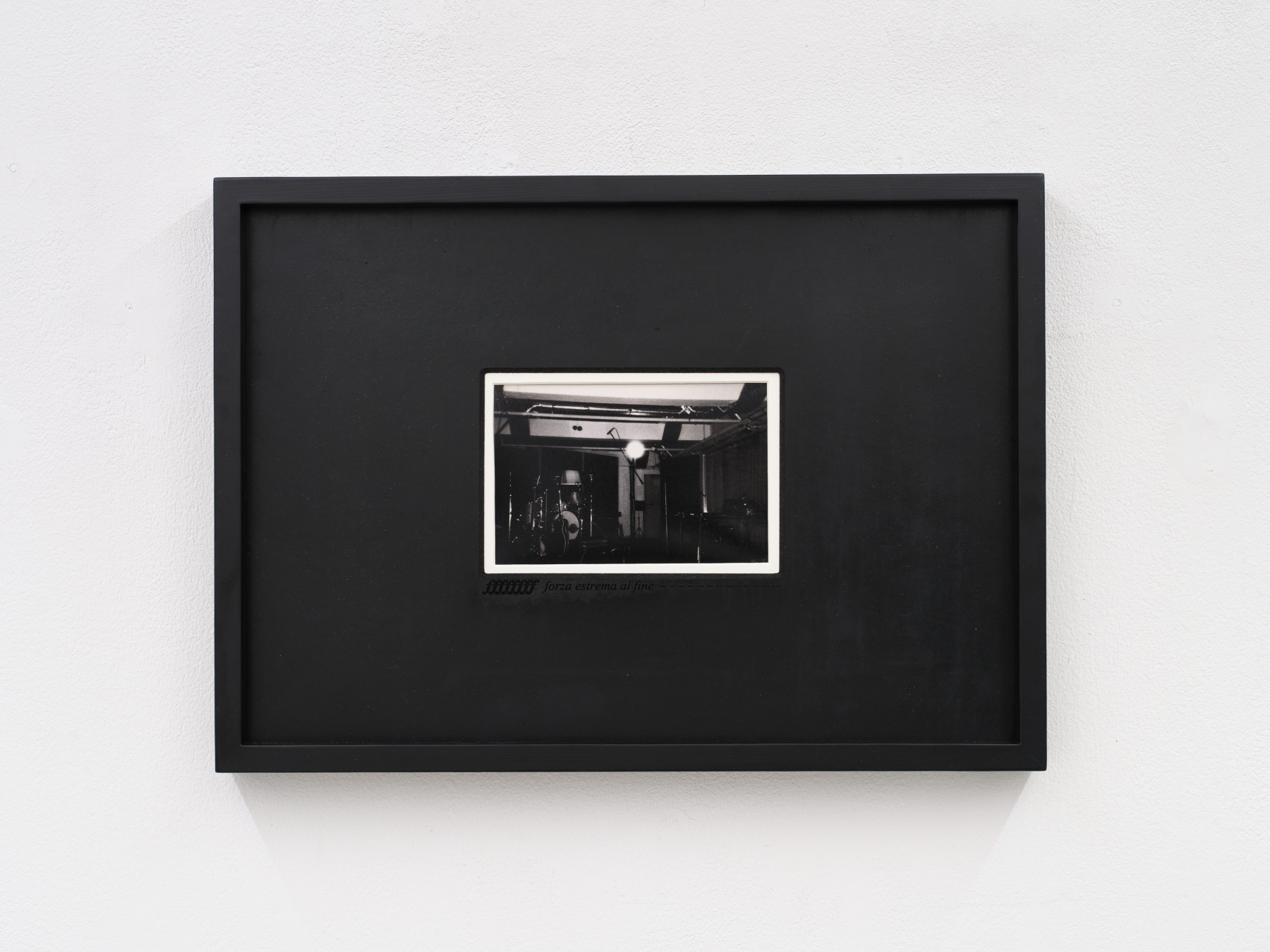
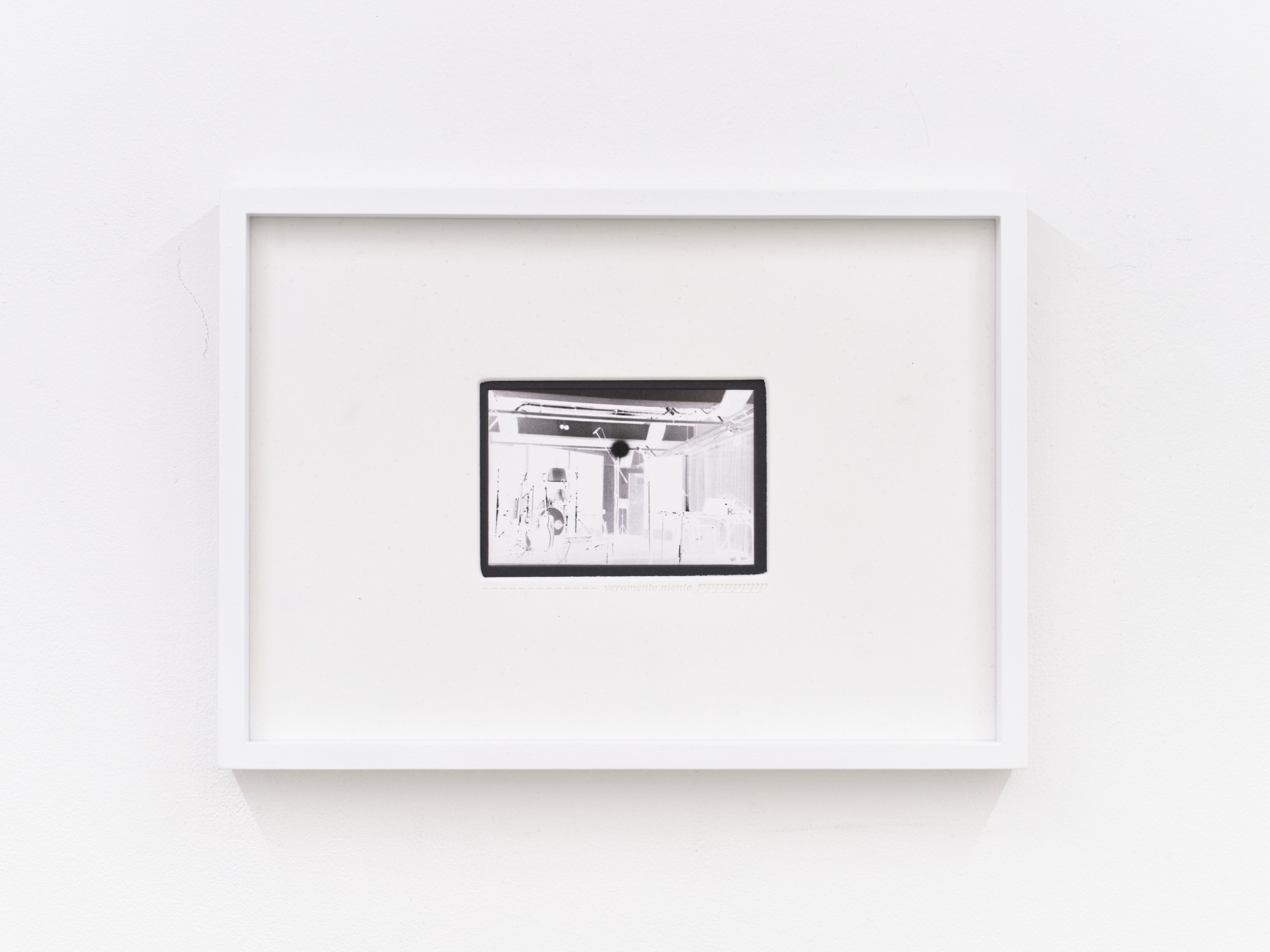
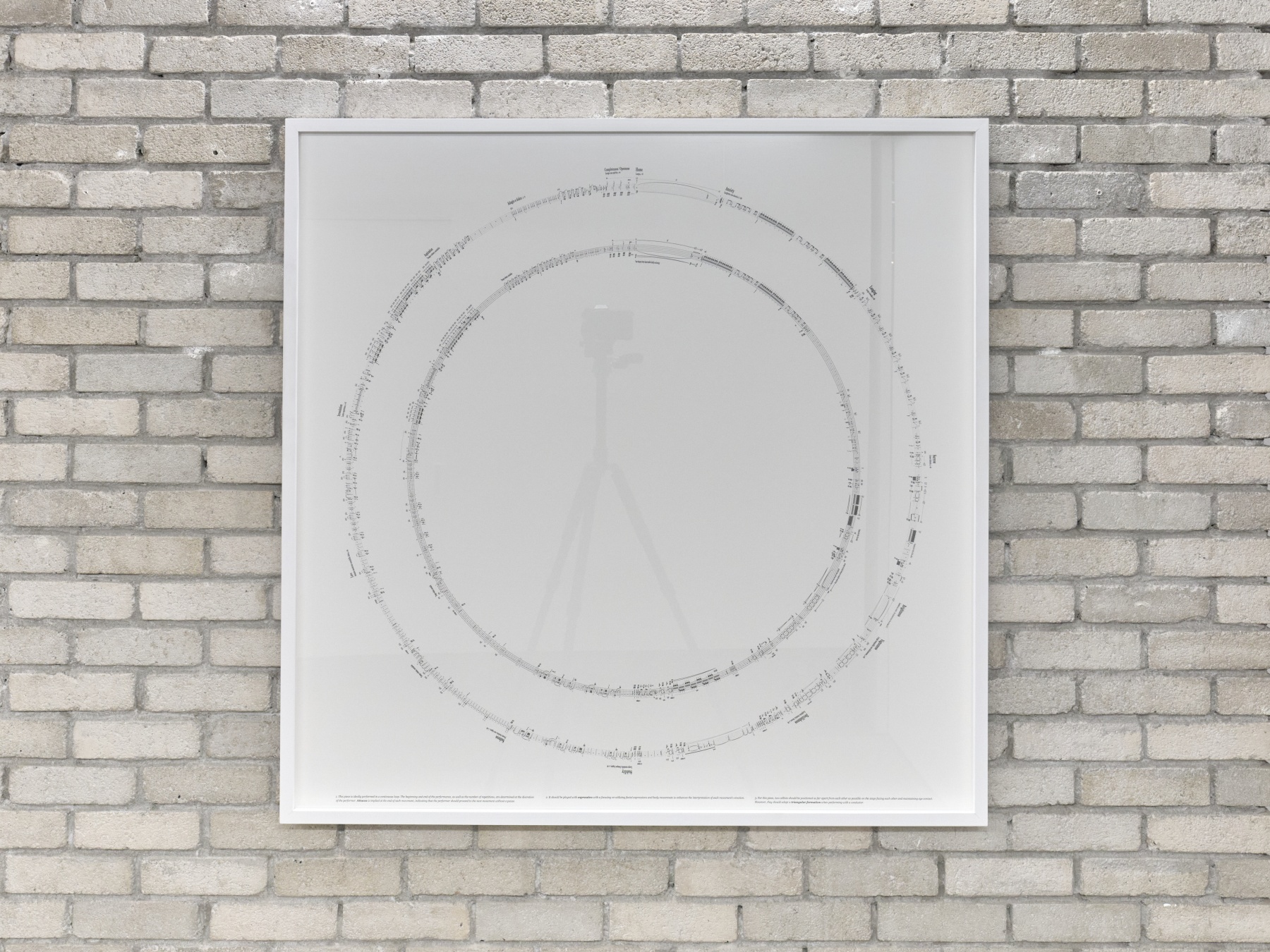
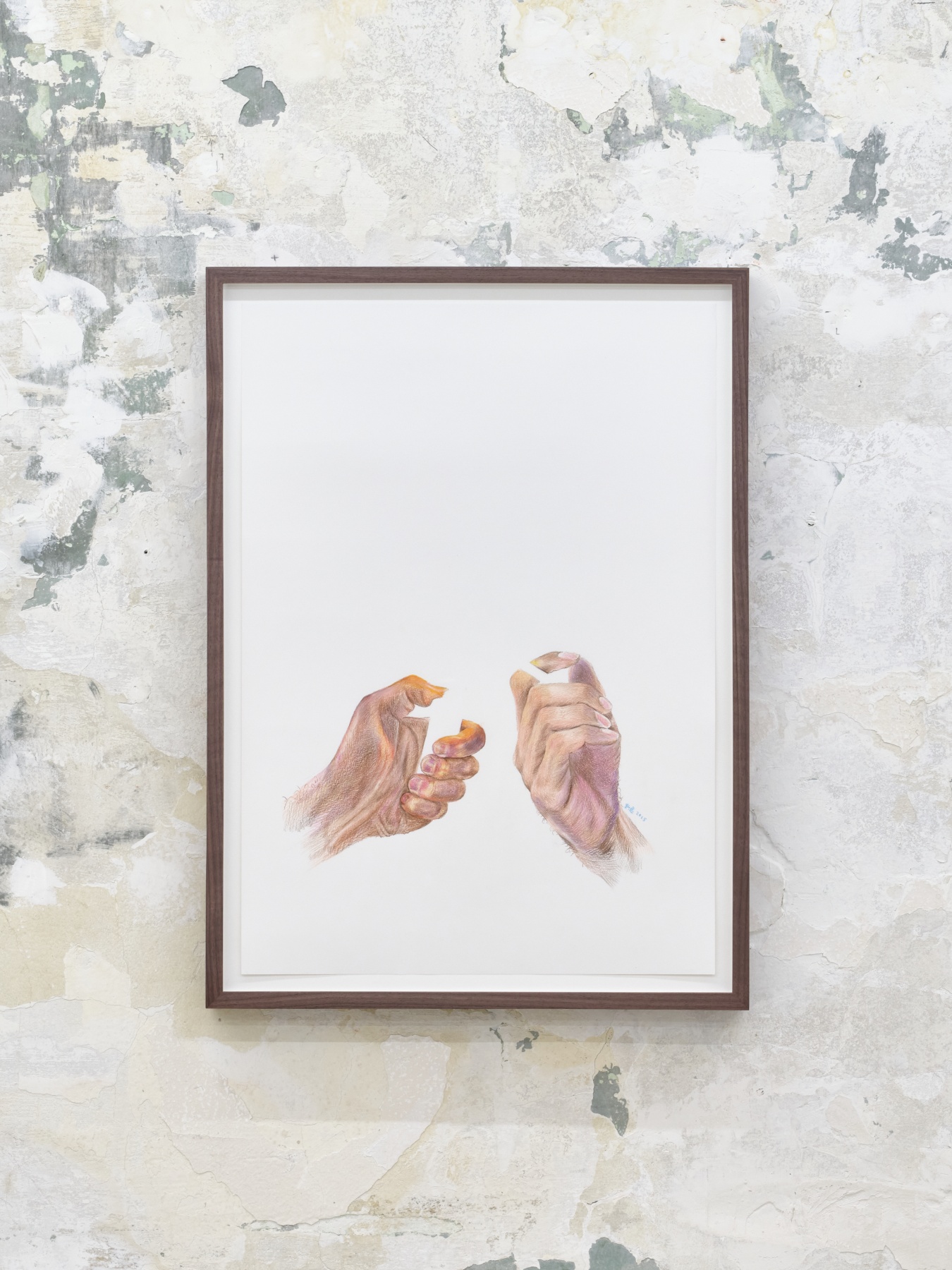
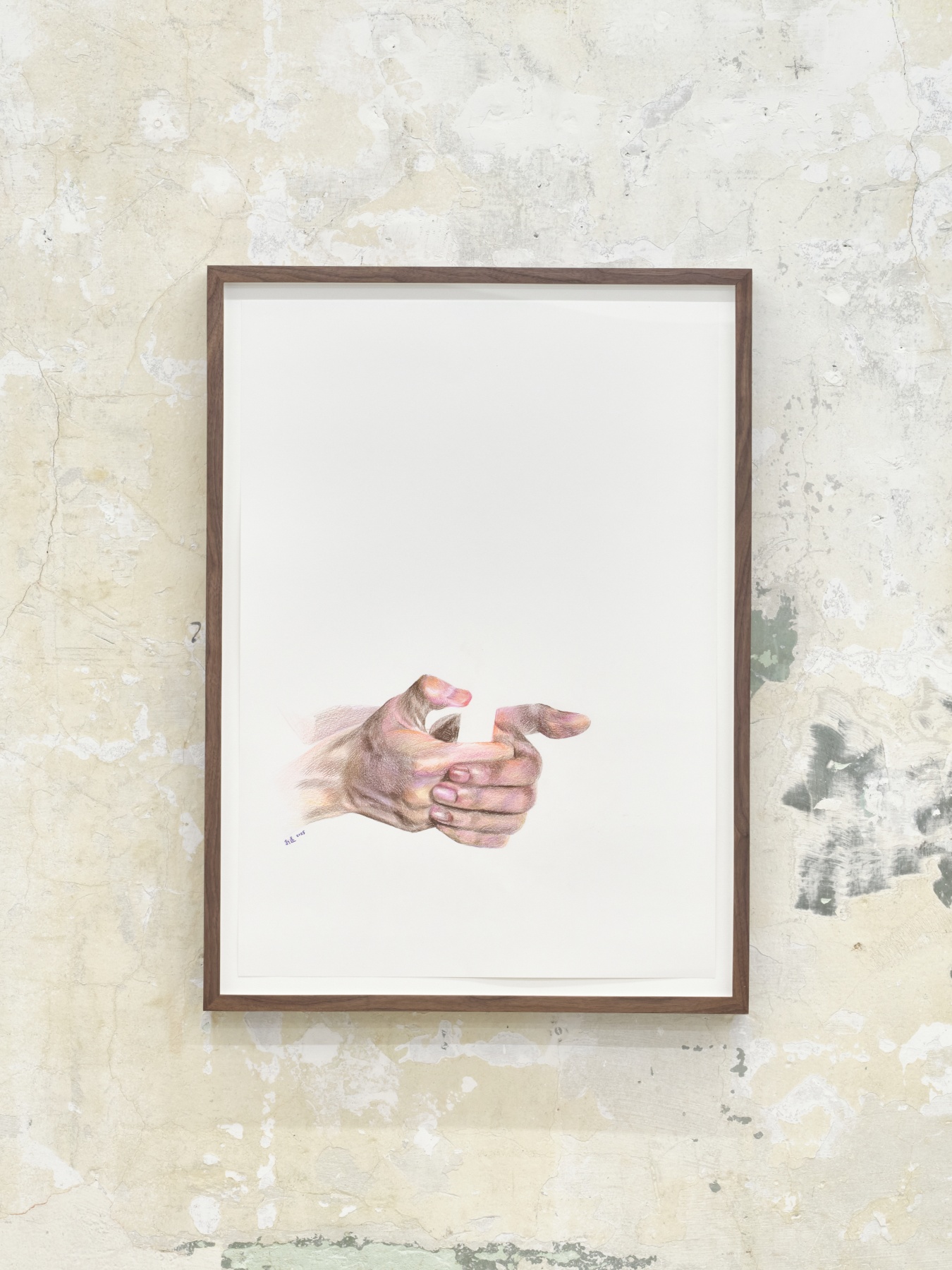
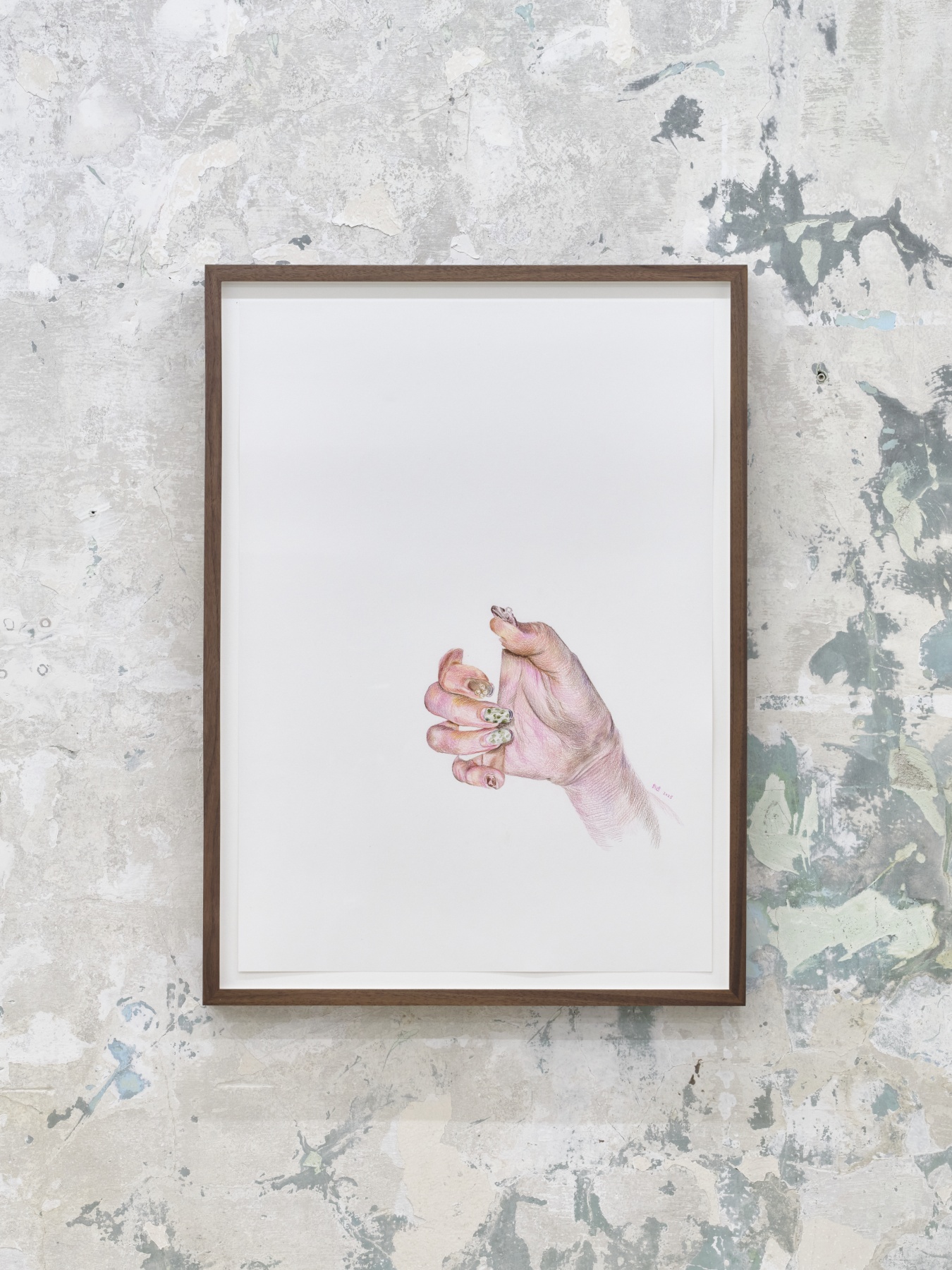
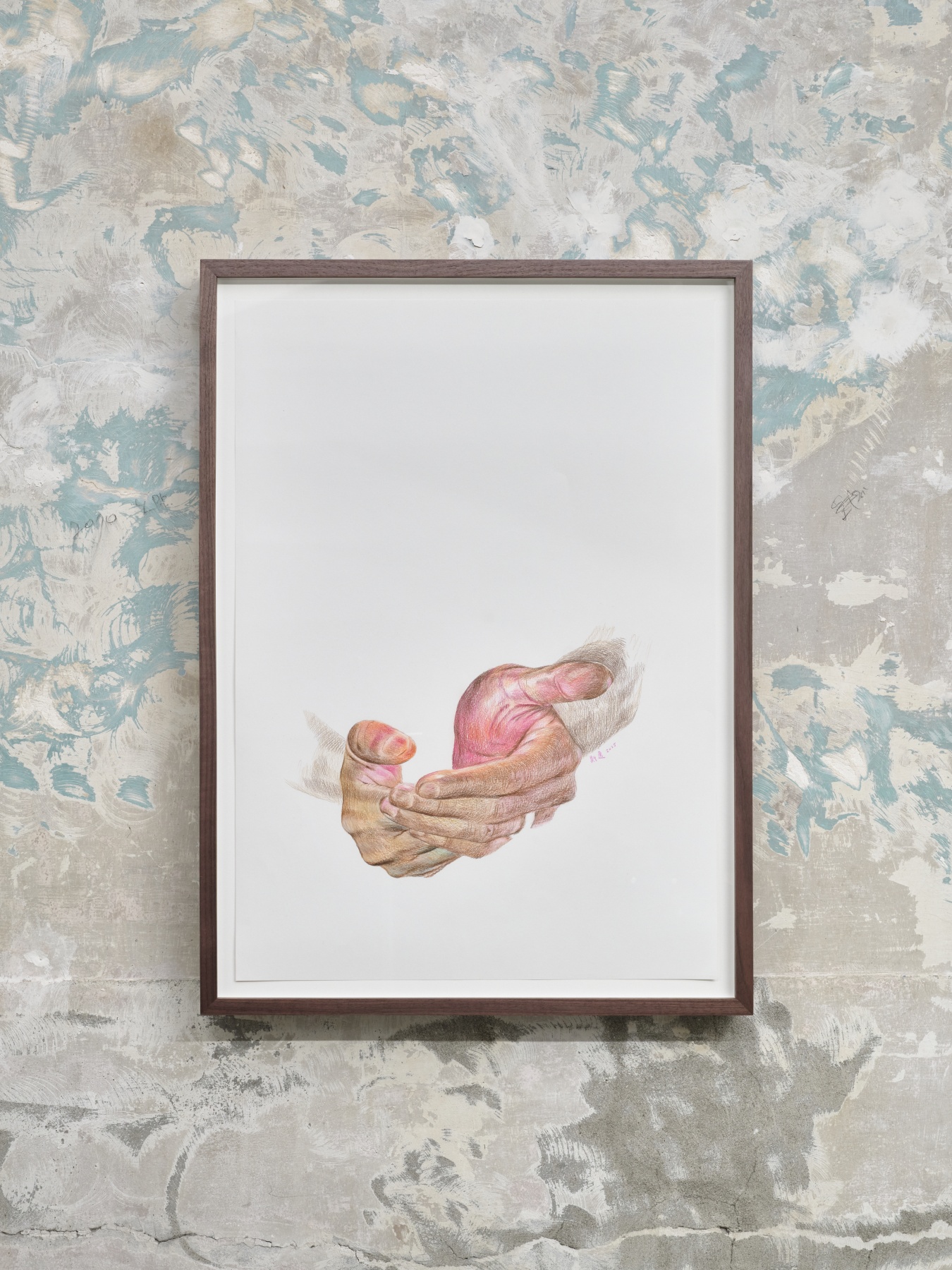
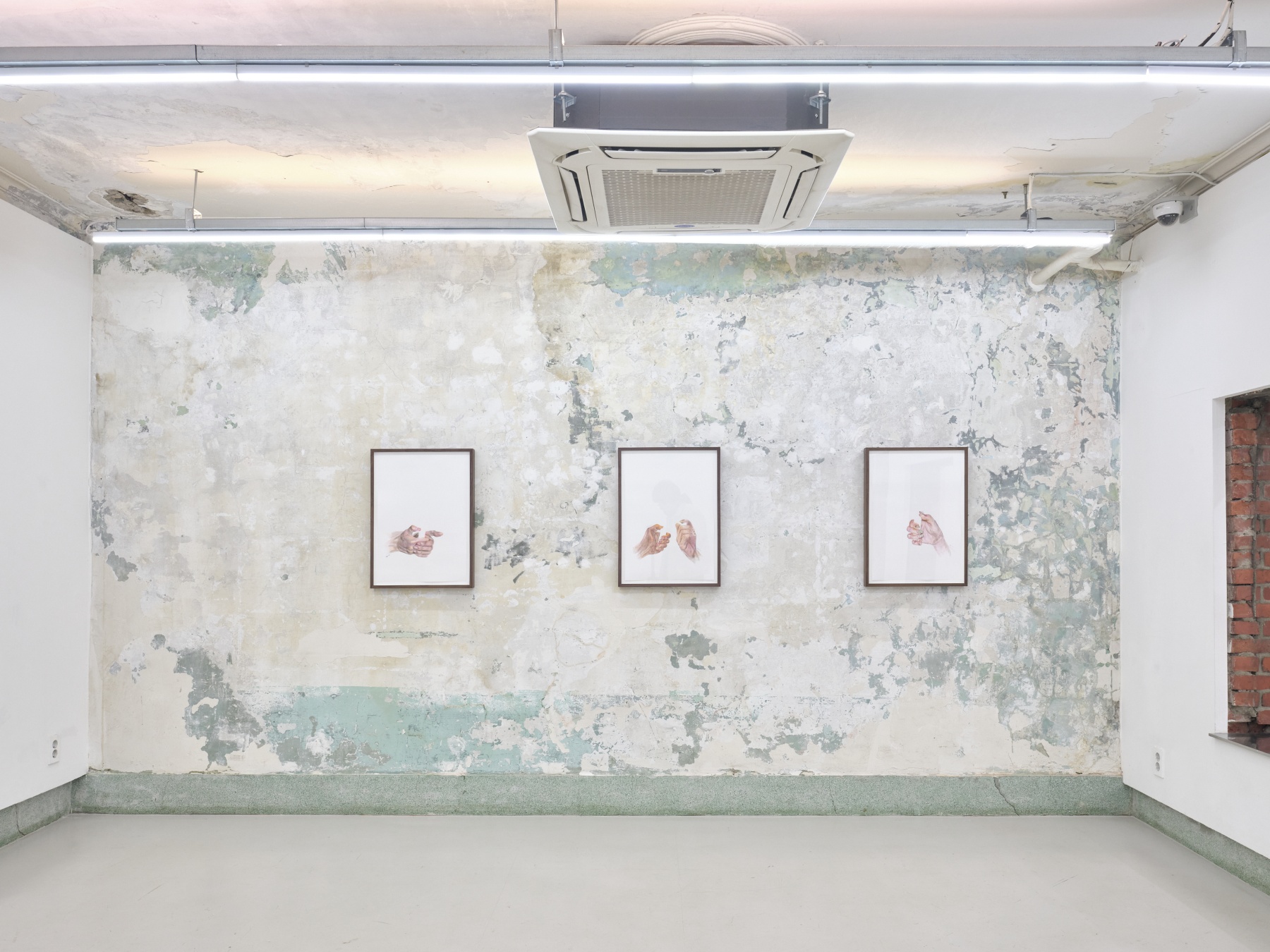
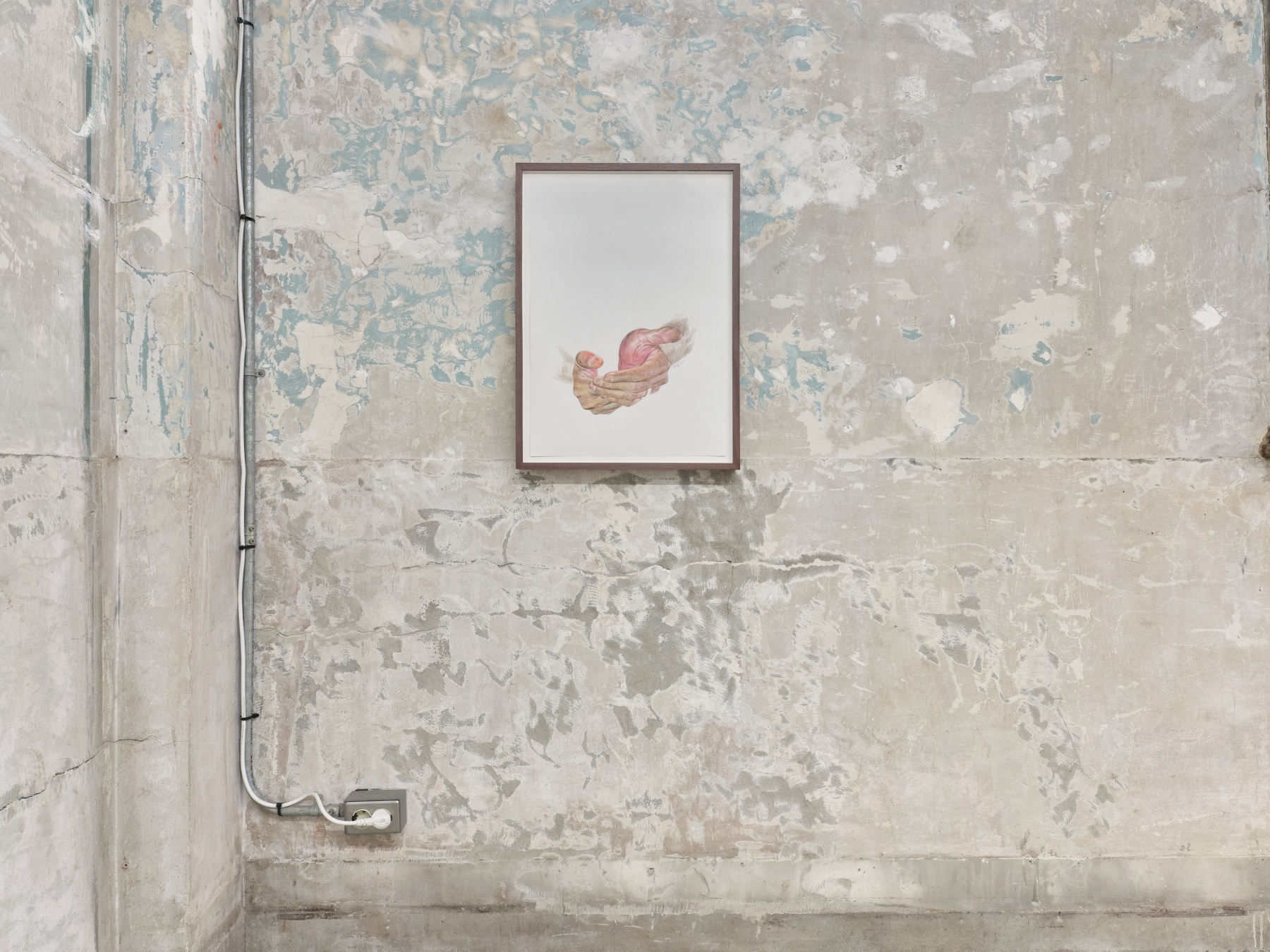
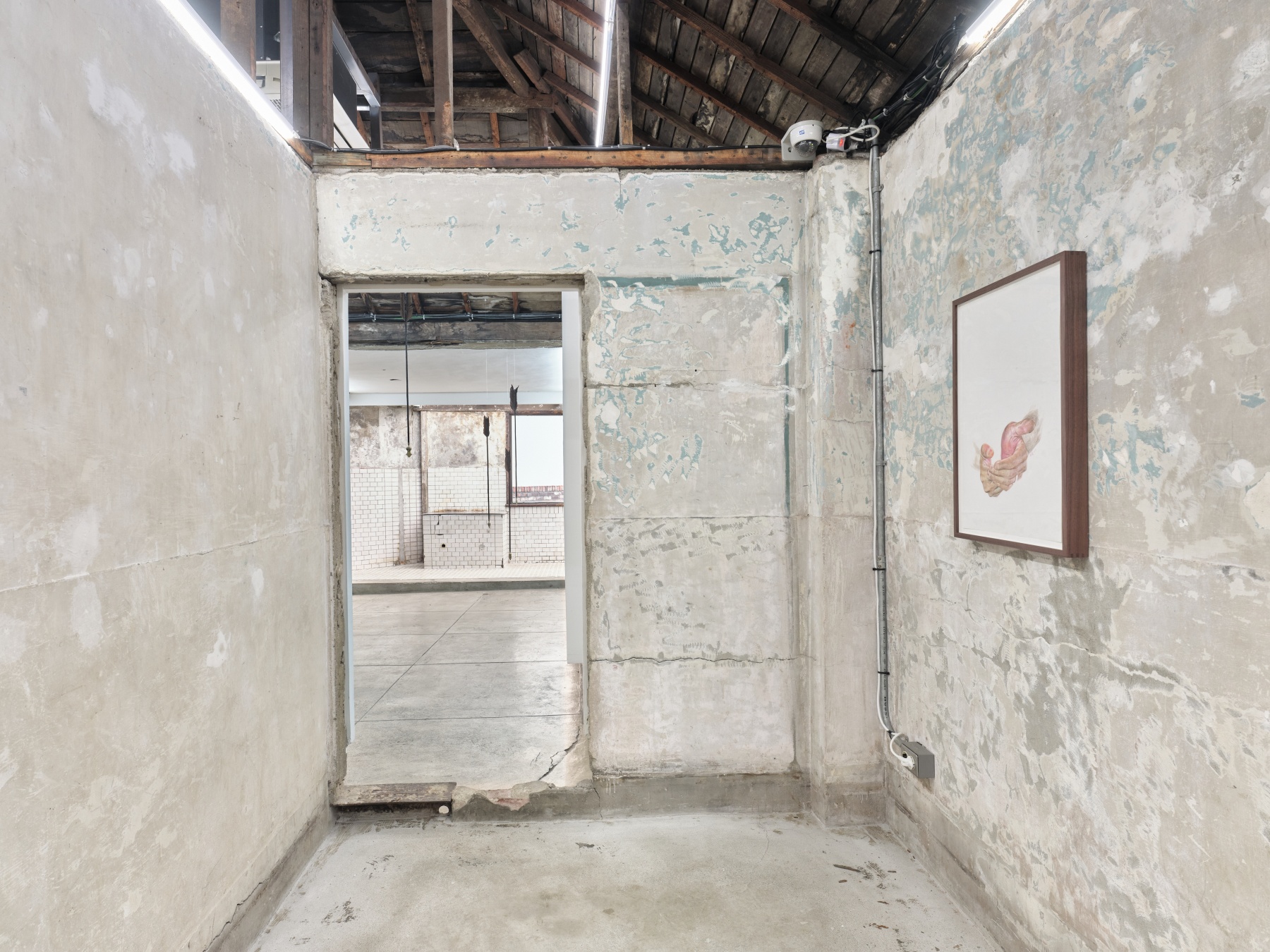
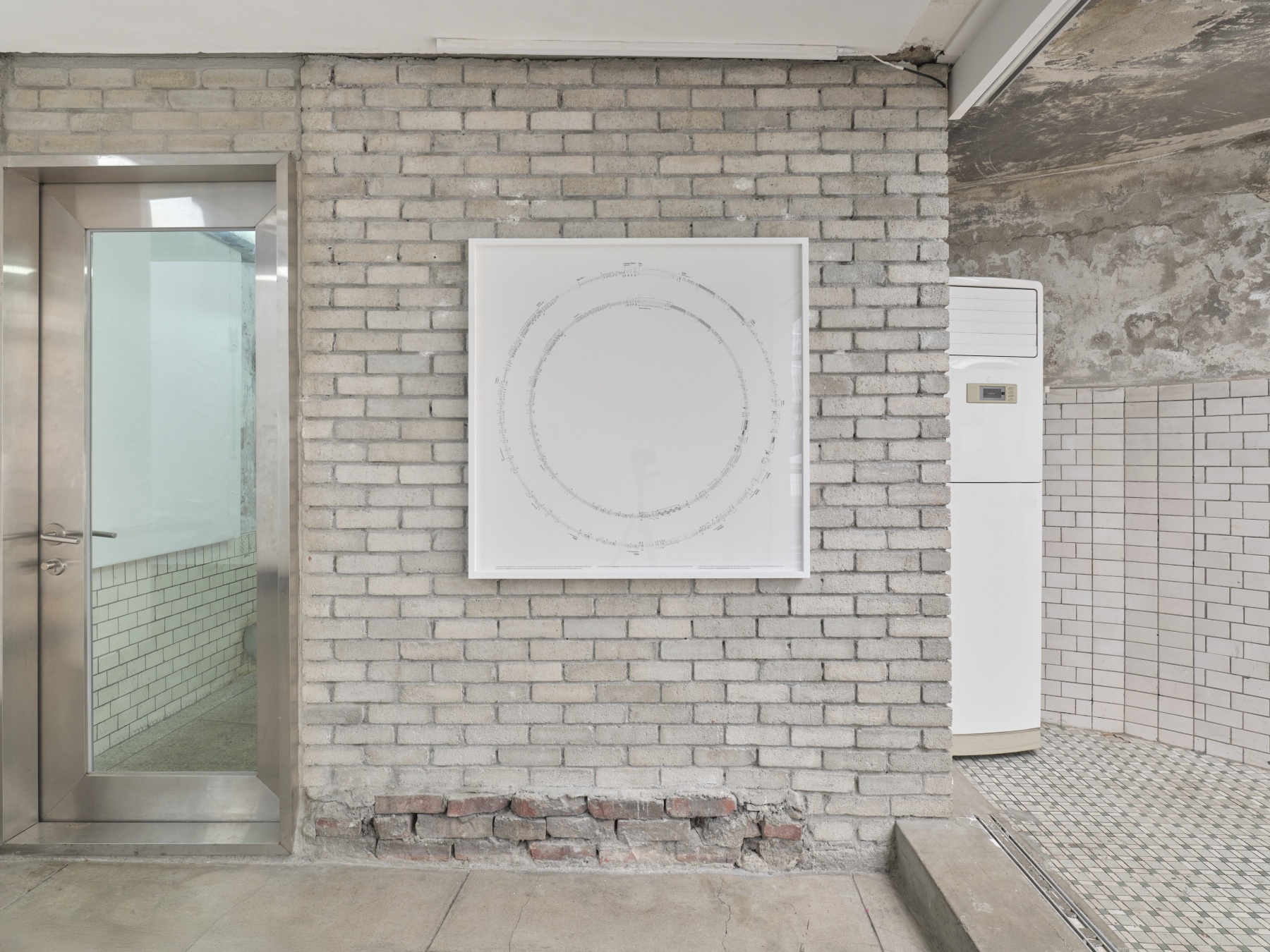
His colored pencil drawings, which remove the object from the hand and focus instead on the act of “ignition”—fireworks—leaving wide blank space, ask: in a world where formless experiential commodities dominate daily life, what remains in the hands that have propelled this development? Meanwhile, Gang’s circular score has no clearly defined start nor end; performance becomes possible only through consensus among players based on the instructions inscribed at the bottom. In this way, it reveals the social conditions that undergird the very formation of hearing. Each performance, enacted by a new agreement, blurs the distinction between original and reinterpretation, observing the many ways in which the senses function and manifest between individual and collective, means and goals.Like above, their exhibition space is filled with sound. Fireworks burst, shiny cans collide and crumple, arrowheads slice through the air, and indeterminate music continues to revolve in circles. Each work occupies the space as an individual note while resonating with the others as a “musical gesture.” Music theorist Hye-yoon Chung suggests that to perceive music as a gesture means not to regard it as an object detached from “me,” located “over there” and subject to disinterested scientific observation, but to see it as an environment that surrounds me and calls for my understanding—structured, moreover, as a “meaningful act.” In this sense, their gestures accept one another’s actions as environment, analyze their meanings, and share questions about sensation—fragmented, measured, situated within social contexts yet existing outside domains of ownership and control—as experiences akin to envelopes not yet opened, whose possibilities remain suspended.
The ants of my childhood no longer stir in my palms as they once did. Over time, in this world of utility, my hands have lost their shape, and the ants may have had no choice but to leave. To find them, I lean my ear toward Gang and Li’s envelopes. I search for the faint, tickling rustle of my ants.
글. 조정민
나는 가끔 내 두 손바닥을 가만히 들여다본다. 수많은 손금과 핏줄이 지나가는 것을 보면 평생을 나의 일부로 살아왔음에도 남의 것인냥 생경할 때가 있다. 어렸을 때는 여기에 내가 볼 수 없이 작은 개미들이 끊임없이 돌아다닌다고 생각했다. 그리고 손을 귀에 가져다대면 들리는 바람같은 파동에 가까운 소리들이 그들의 움직임 때문이라고 여겼다. 새삼 손가락을 오므려 주먹을 쥐어본다. 내 마음대로 움직이는 이 분절된 관절이 참 신기하고도 하찮고 감사하다. 덕분에 많은 것을 쥐어보았으니.
하지만 빌렘 플루서가 말하듯 <만들기의 제스처> 의 챕터에서 말하듯, 손은 쥐는 것 자체에 대한 관심만을 두지 않는다. 손은 대상과 놀며 움직이고 싶어한다. 오히려 대상은 ‘문제’로서, ‘장애물’로서 손에게 흥미를 유발한다. 이러한 제스처는 순수하지않다. 실용적이다. 인류의, 감각의, 개인의, 나의 역사는 그렇게 발전해왔다. 손이 뻗어 변형을 일으키는 대상에 대한 집중은 전신의 참여를 요하고 이 과정에서 손의 움직임으로의 집중은 손이라는 구상을 추상으로 만든다.
강동훈과 시이 리의 2인전  에서 이들은 인간의손을 거쳐 탄생한 사물들의 전형적인 쓸모, 상징을 지우고 과정속의 제스처로 남기를 자처함으로써 도구와 감각의 관계를 드러낸다. 특별히 이는 그간 소리의 시각적 조건에 기반한 기록, 물질화에 주목하는 강동훈과 사라지는 일상적 물질성과 감각에 집중해온 시이 리 사이에서 “음악적 제스처”로서 나타난다. 강동훈은 소리를 작동시키는 울림통과 현을 켜는 부분은 없고 음을 짚는 핑거보드만으로 이뤄진 첼로 조각과, 전쟁에서 신호장치로써 허공에 쏘아졌던 화살촉을 변형하여 관습적으로 시각과위계를 구성하는 오브제들의 기능을 전복, 소거함으로써 청각의 존재를 더욱 앞으로 끌어온다. 이에 대응해, 시이의 캔버스 전체를 확성기와 서브 우퍼 스피커로 변환시키는 네 점의 모노크롬 회화는 무음 속의 소리를 증폭시키는 동시에 기하학적 전체를 연상시키며 다시 시각과 청각의 경계를 넘어 다른 감각 영역의 가능성으로 질문한다.
이들은 추상과 구상이라는 대상을 다루는 방식 속에 분류되는 인간의 감각에 대한 탐구를 넘어, 어떻게 이 감각이 활용, 조작, 도구화되어 사회구조에 편입되는지 혹은 기반을 조성하는지로 이어진다. 시이 리는 엄격한 마약 통제로 인해 중국 청소년들 사이에서 일종의 오락적 물질로 소비되는 몬스터 에너지 캔을 압축하여 벽돌 혹은 금괴 같은형태로 만들어 실질적 가치 단위를 연상시키며 유흥, 자극이라는 비가시적, 일시적 경험이 어떻게 사회구조 안에서 상품화되는지를 보여준다. 손에 쥔 대상을 제거하고 넓게 여백을 남긴 채 불꽃놀이 ‘점화’라는 행위에 초점을 맞춘 색연필 드로잉은 형상없는 경험 상품이 일상을 장악한 오늘 날, 이를 발전시켜온 우리의 손에 남은 것은 무엇인가 질문한다. 한편, 강동훈의 원형 악보는 끝이 명확히 규정되지 않기에 하단에 기재된 지시문을 통해 연주자들이 합의 하에 연주가 가능함으로써 청각이 성립할 수 있는 저변의 사회적 환경을 드러낸다. 매번 달라질 합의는 원본과 재해석본의 구분에 대한 어려움을 야기하며 감각이 개인과 집단, 수단과 목적 속에서 기능, 발현하는 여러 방식들을 관찰하고자 한다.
이와 같이 이들의 전시장에는 소리로 가득하다. 불꽃놀이가 터지고 매끈한 캔들이 부딪치고 찌그러지고 화살촉이 하늘을 가르지르고 언제 시작되었는지 혹은 끝났는지 모를 음악이 계속해 둥글게 돌아가고 있다. 각자의 작업은 개별적 음으로 공간에 위치함과 동시에 서로에게 “음악적 제스처”로 공명한다. 음악이론가 정혜윤은 음악을 하나의 제스처로서 지각한다는 것은 음악을 ‘나’와 분리된 채 ‘저기’에 동 떨어져, 나의 무관심적 관찰을 요하는 과학적 탐구의 대상이 아니라 나의 이해를 요청하며 나를 둘러싸고 있는 하나의 환경으로서 바라본다는 것을 뜻하며, 더불어 그것을 특별히 ‘의미 있는 행위’라는 관점에서 구조화한다는 것을 뜻한다고 말한다. 그러므로 이들의 제스처는 서로의 행위를 환경으로 받아들이고 그 의미를 분석하며 사회적 맥락 속 세분화되고 재단된, 소유와 통제의 영역 바깥의 감각에 대한 질문들을 가능성이 유보된 아직 열리지 않은, 보이지 않는, 잡히지 않는 편지봉투(envelopes)의 경험으로서 공유한다.
어릴 때만큼 내 손바닥의 사라진 개미들의 존재가 다가오지 않는다. 긴 시간, 실용의 세상에 형태를 잃어간 내 손들에 개미들이 다 떠나간 것일테다. 그들을 찾고자 강동훈과 시이 리의 형체없는 편지봉투에 귀를 기울여본다. 사부작 거리는, 간질거리는 개미소리를 찾아본다.