Fear, My Old Friend
Text. Lee Yeonsook (Rita)The history of media has always been the history of an impure fusion between humans and technology. The history of perception is the same. With the birth of cinema, humans transplanted the eye of a mechanical apparatus that constitutes reality called film. Therefore, we are always machines to some degree. But to what degree are we machines? The problem lies in the fact that we are machines only to a certain degree, but never fully machines. For this reason, even at the moment when the eye of the mechanical apparatus implanted in us betrays our will, we can never close our eyes. “Consciousness is not a blessing bestowed upon us by a benevolent toy maker in place of a merciful god, but a nauseating curse.” Within artificial natures such as the world’s first film studio, the ‘Dog House’, we inevitably sense a “world-without-us” and perceive impersonal, non-living entities that will remain even after the ‘human’, like ghosts of the future. Today, in media theory, the perspective that views the relationship between humans and technology as one of mutual entanglement is, in a sense, commonplace, but what truly makes Hyein Min distinctive is the fact that she captures, more sharply than anyone else, a certain kind of ominousness that emerges from such relationships.
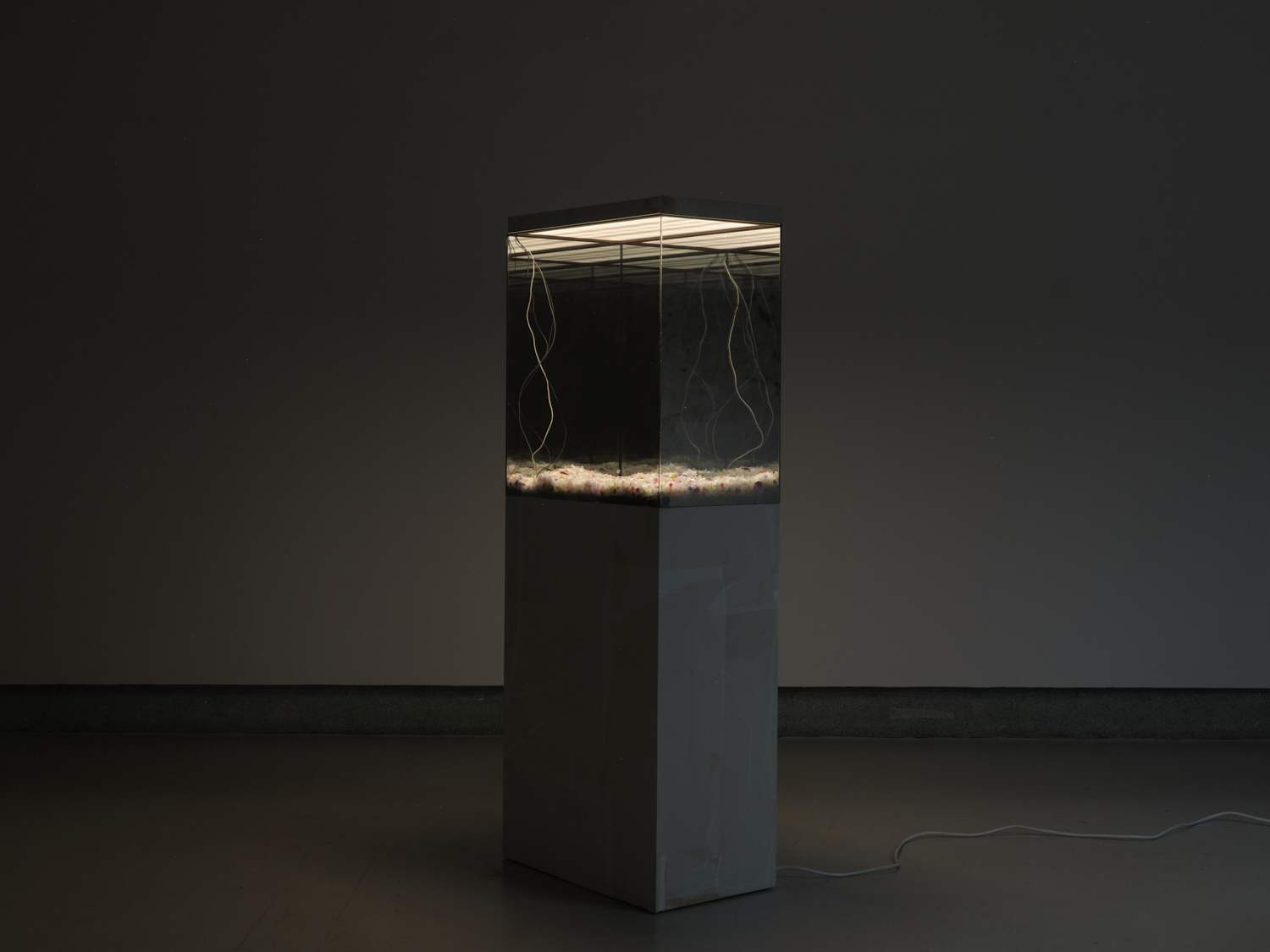
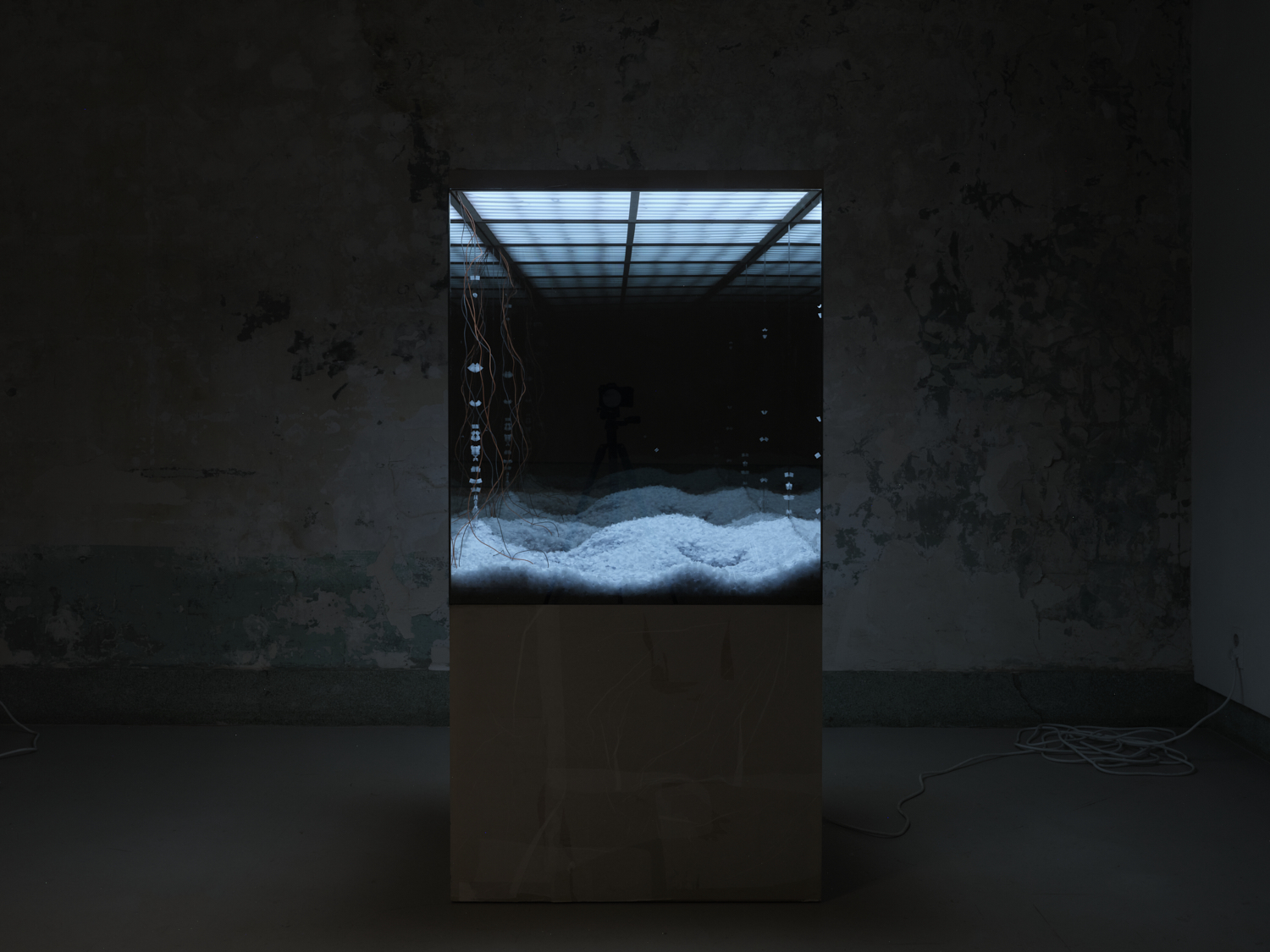
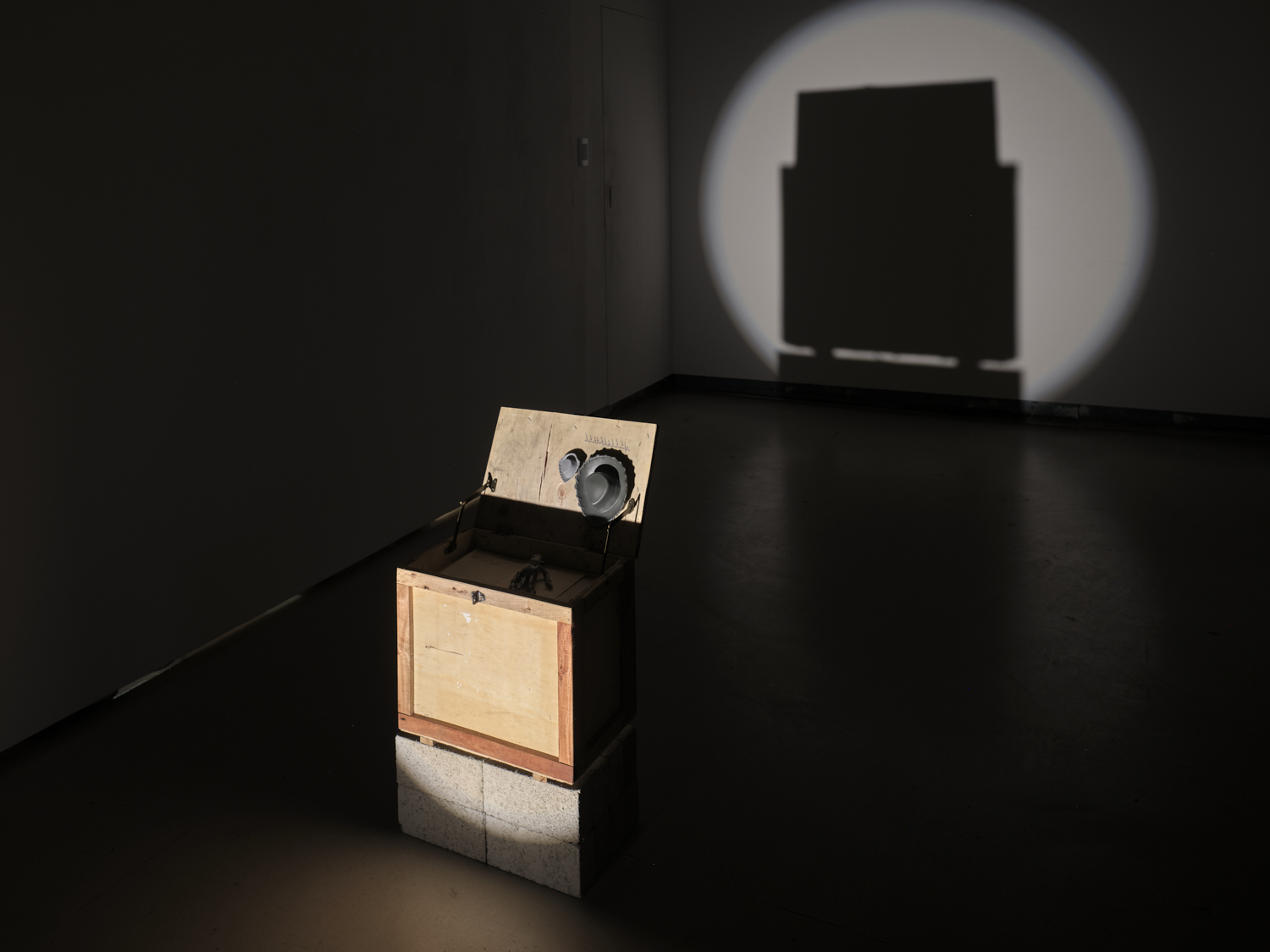
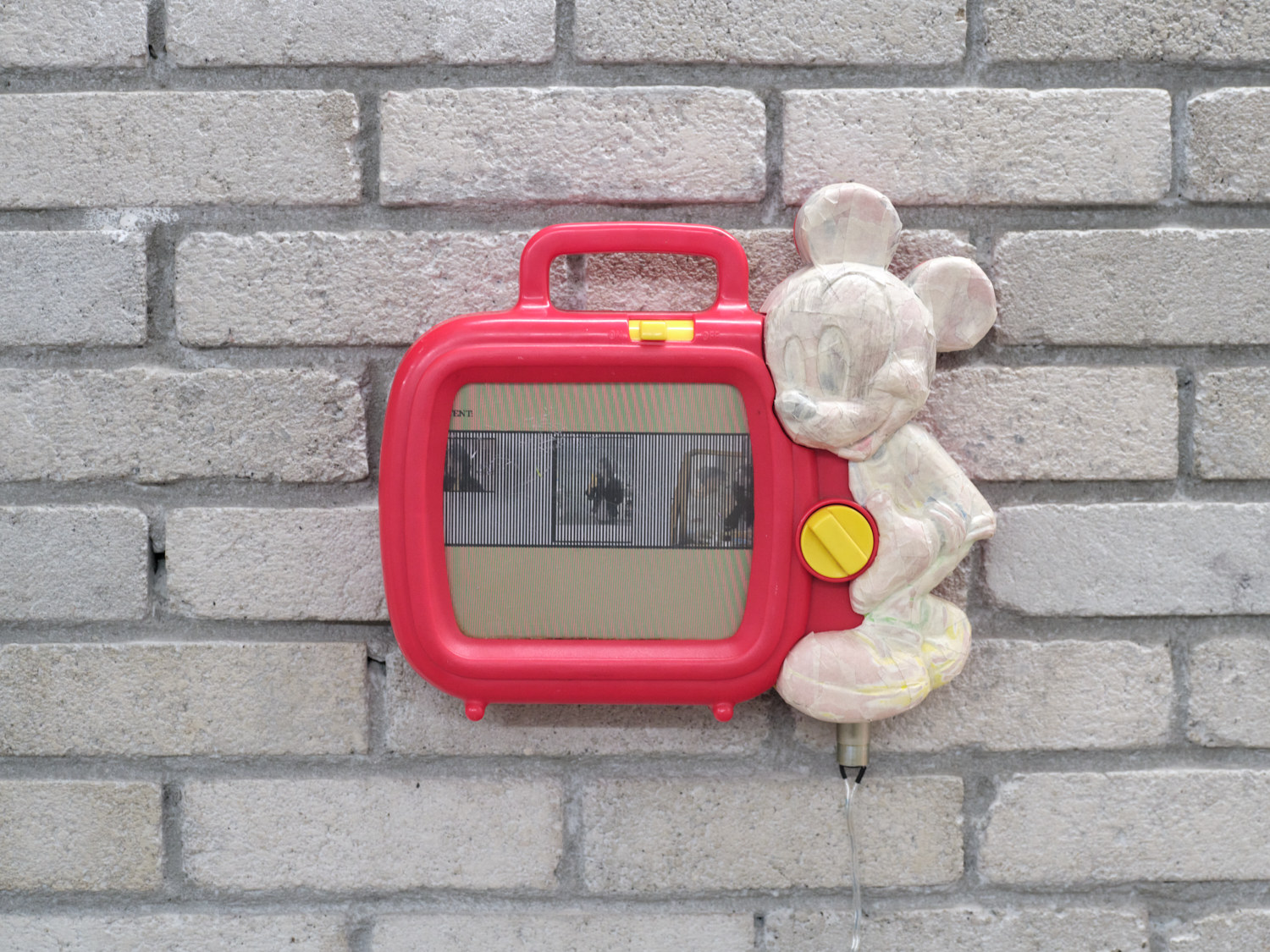
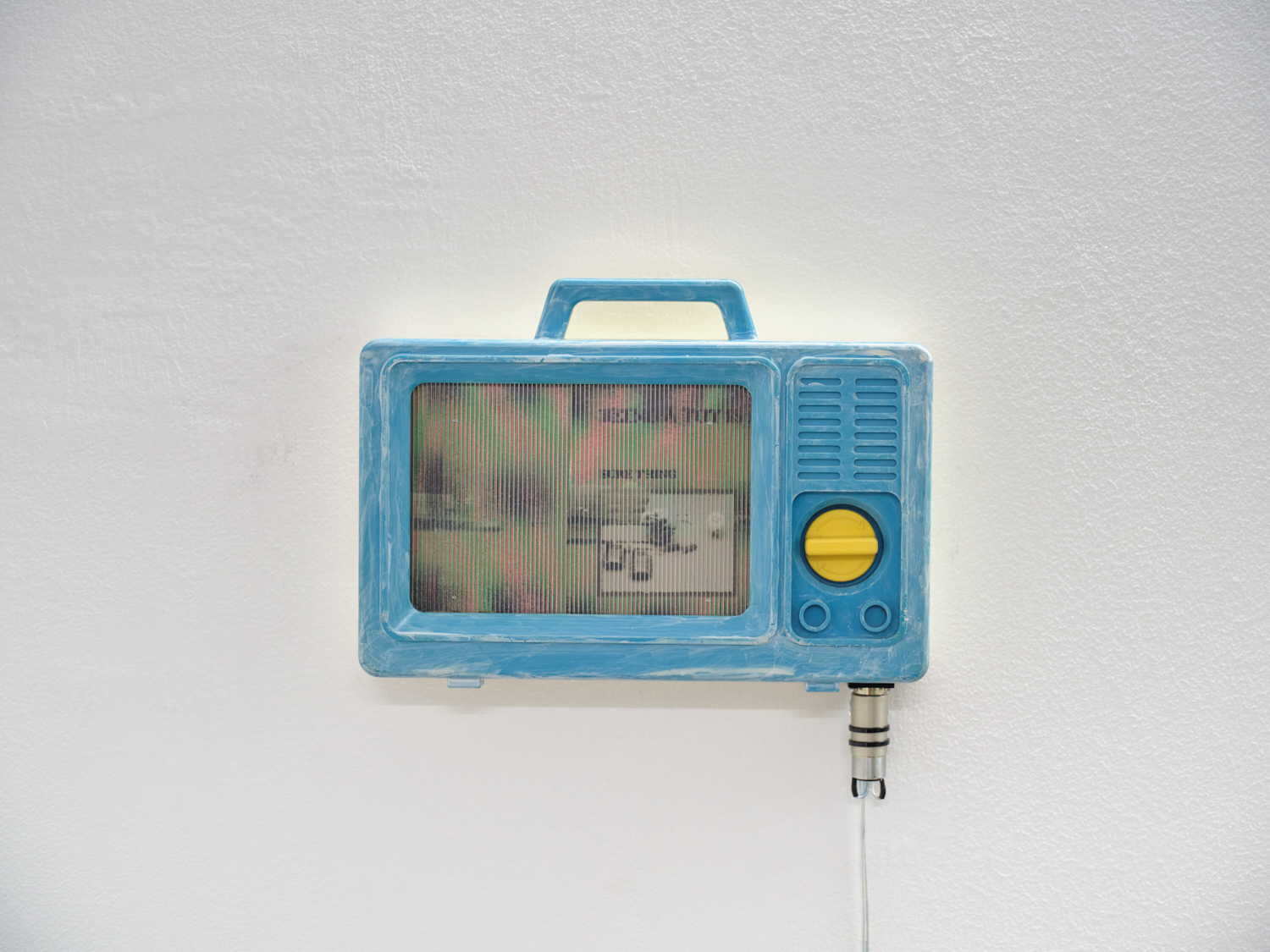
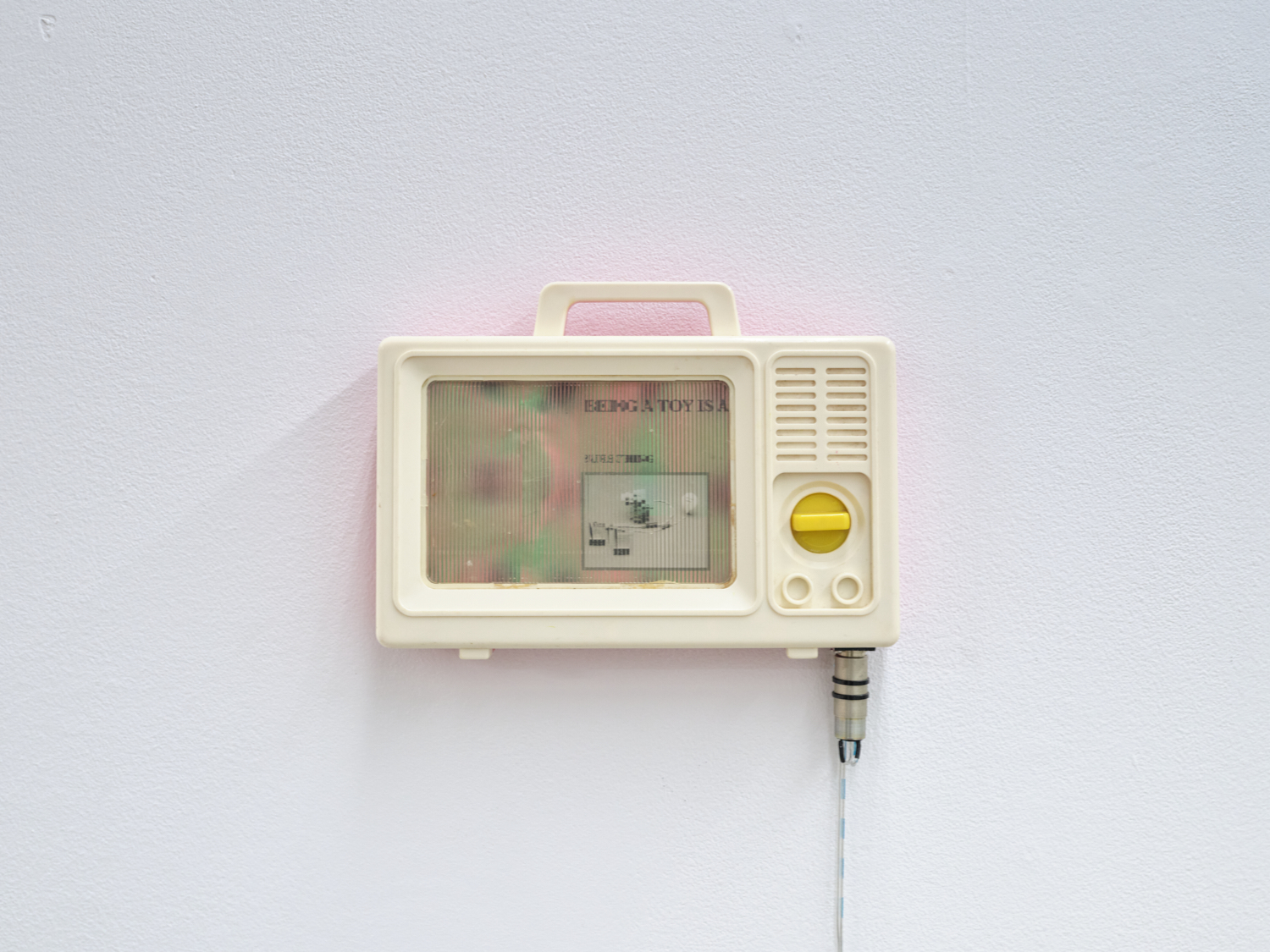
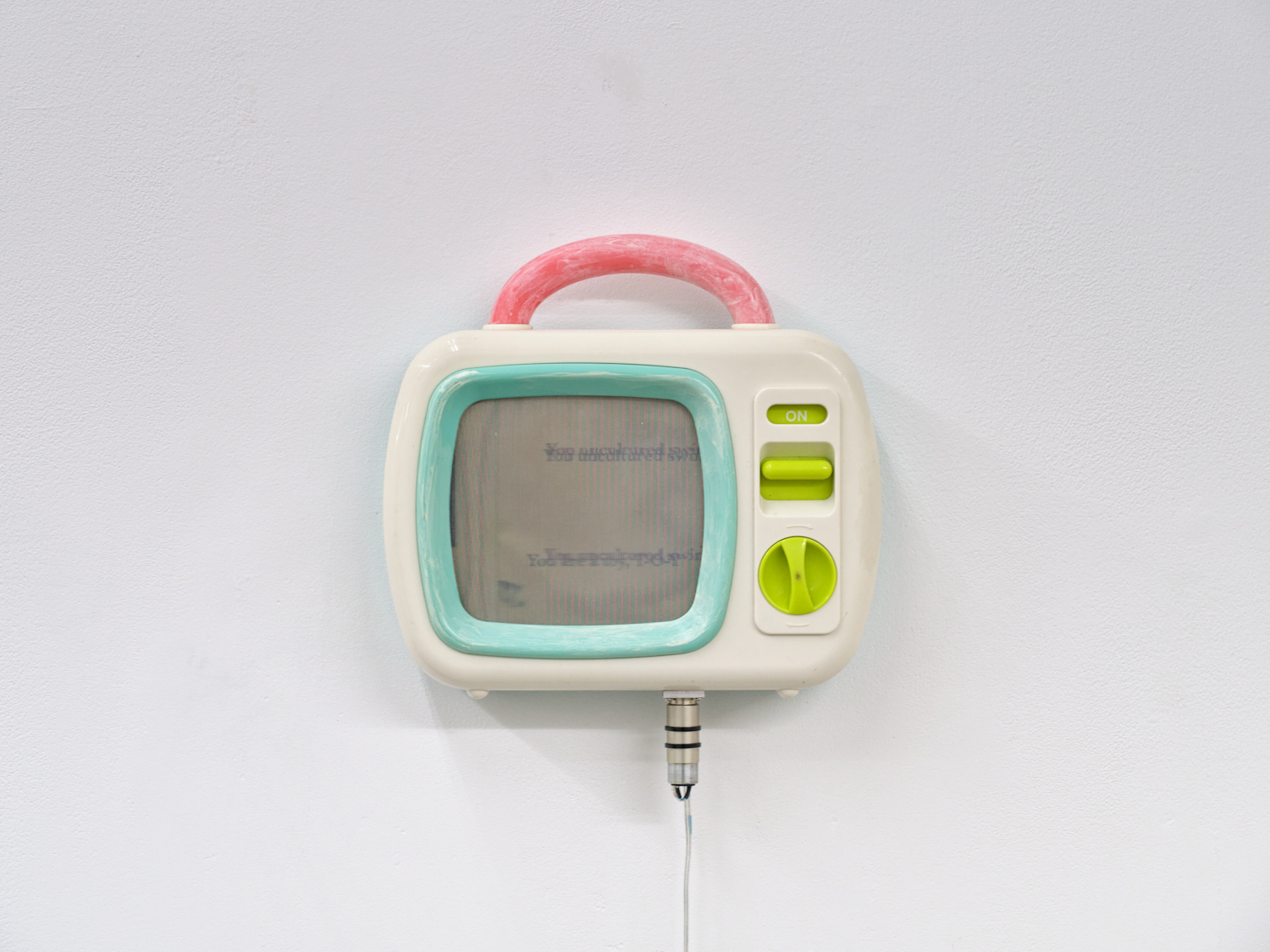
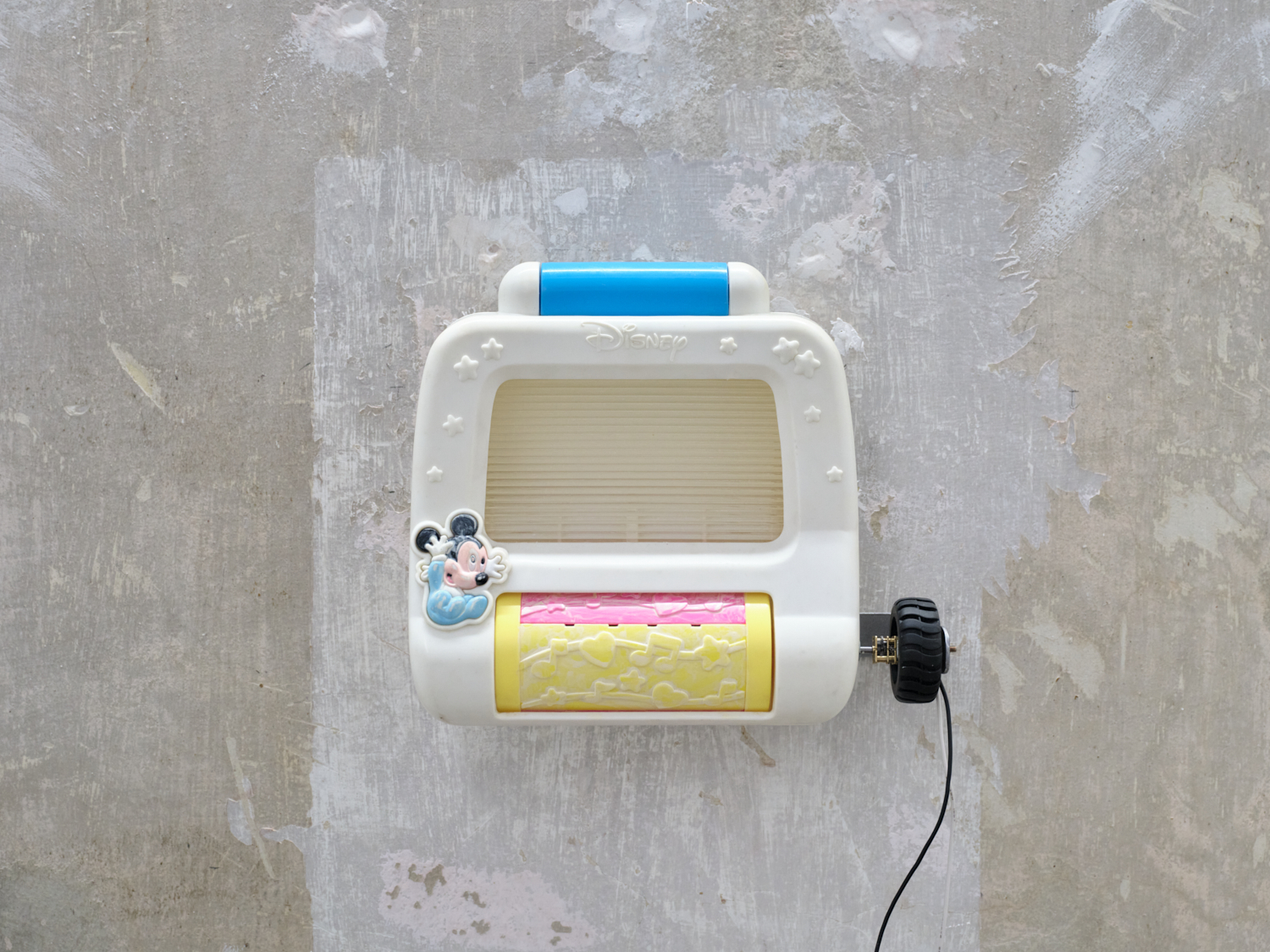
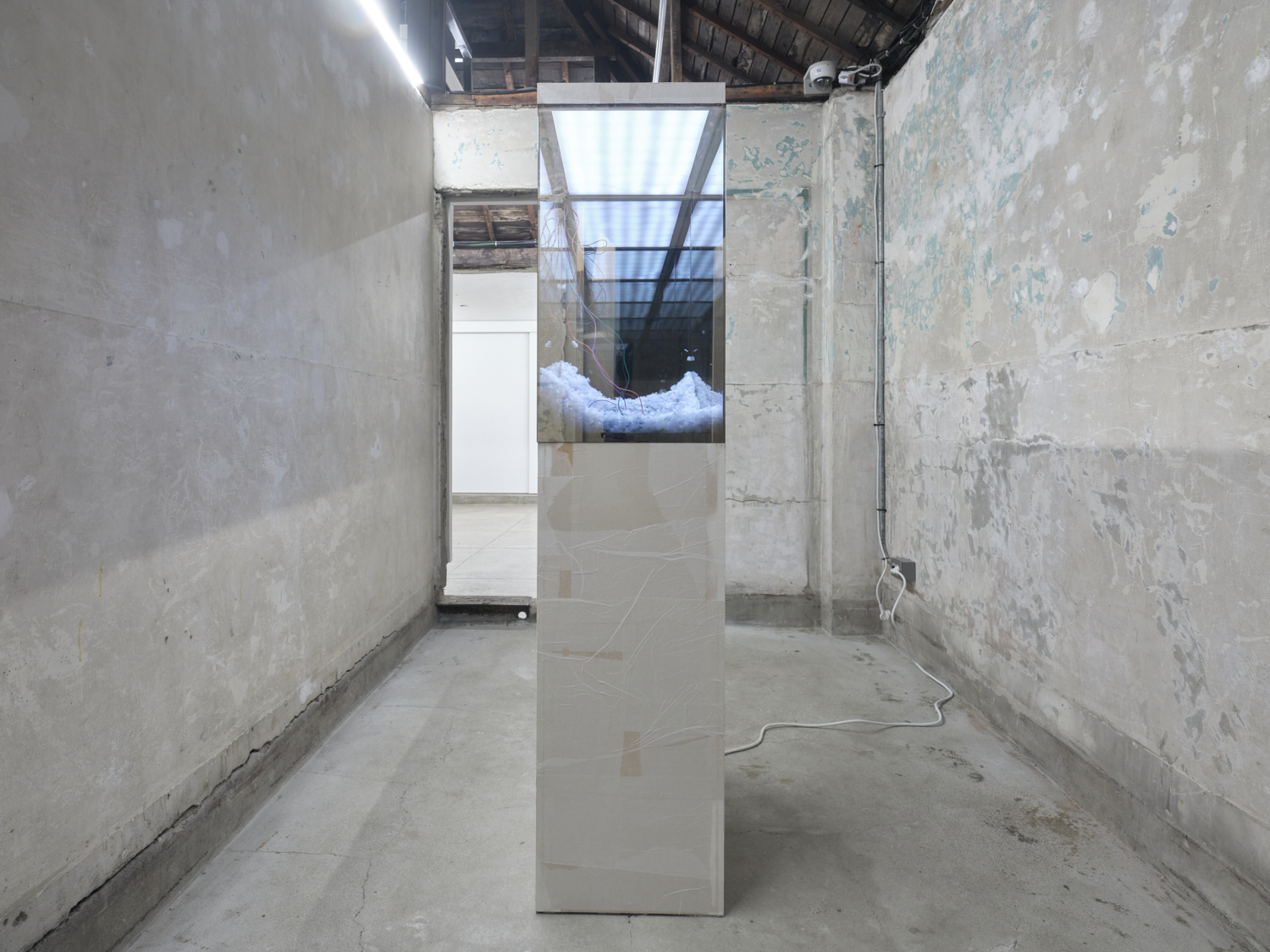
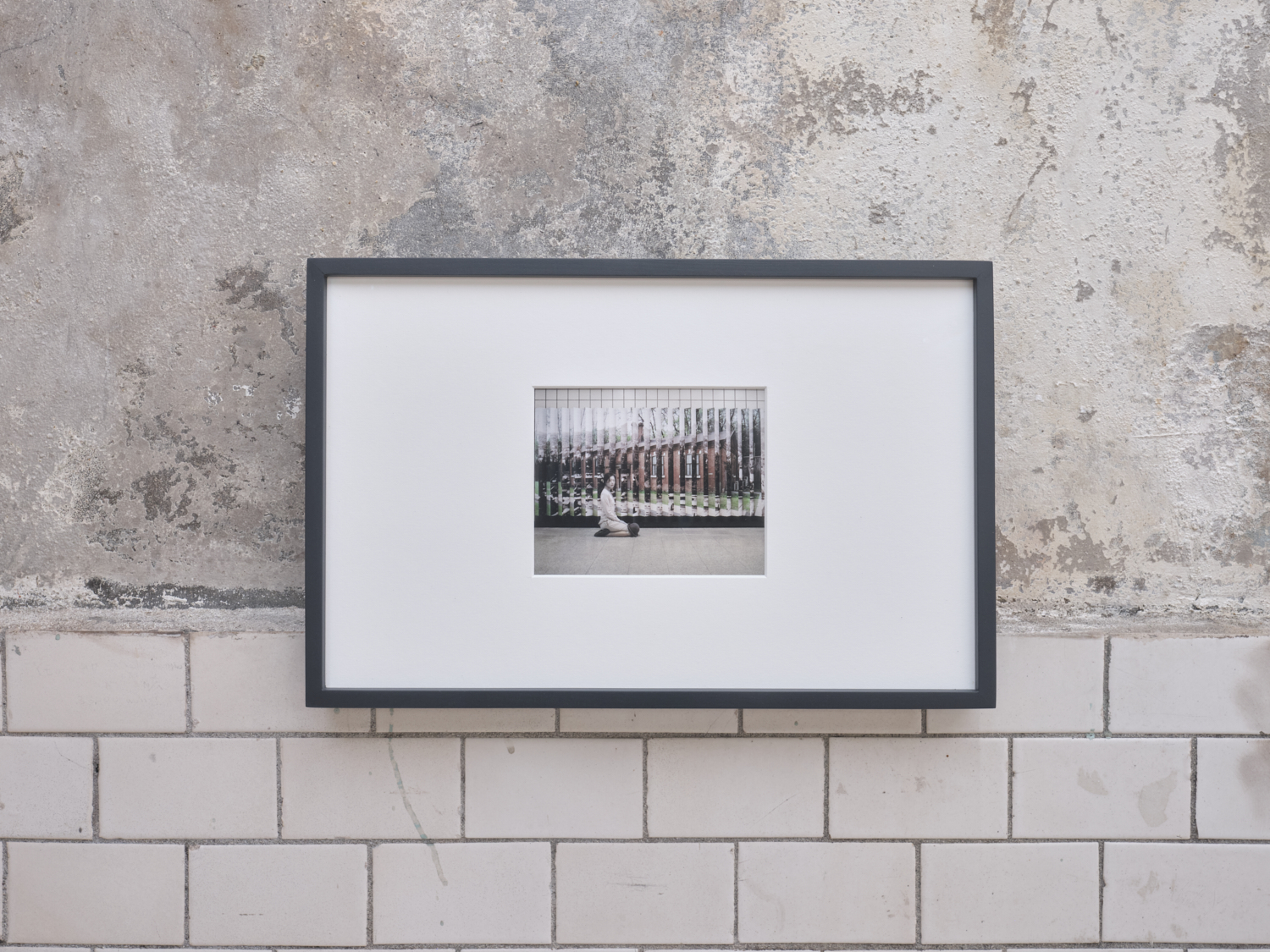
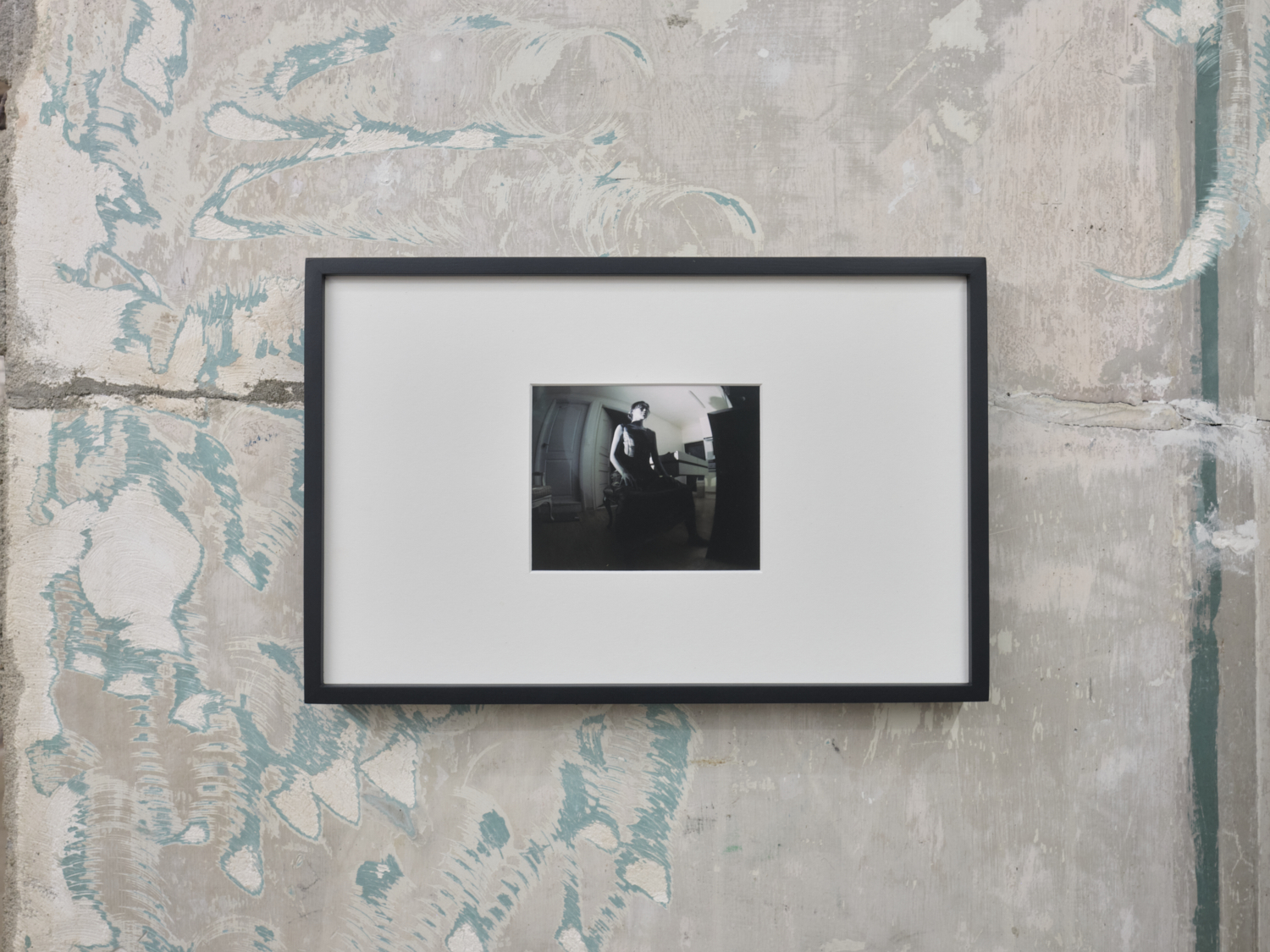
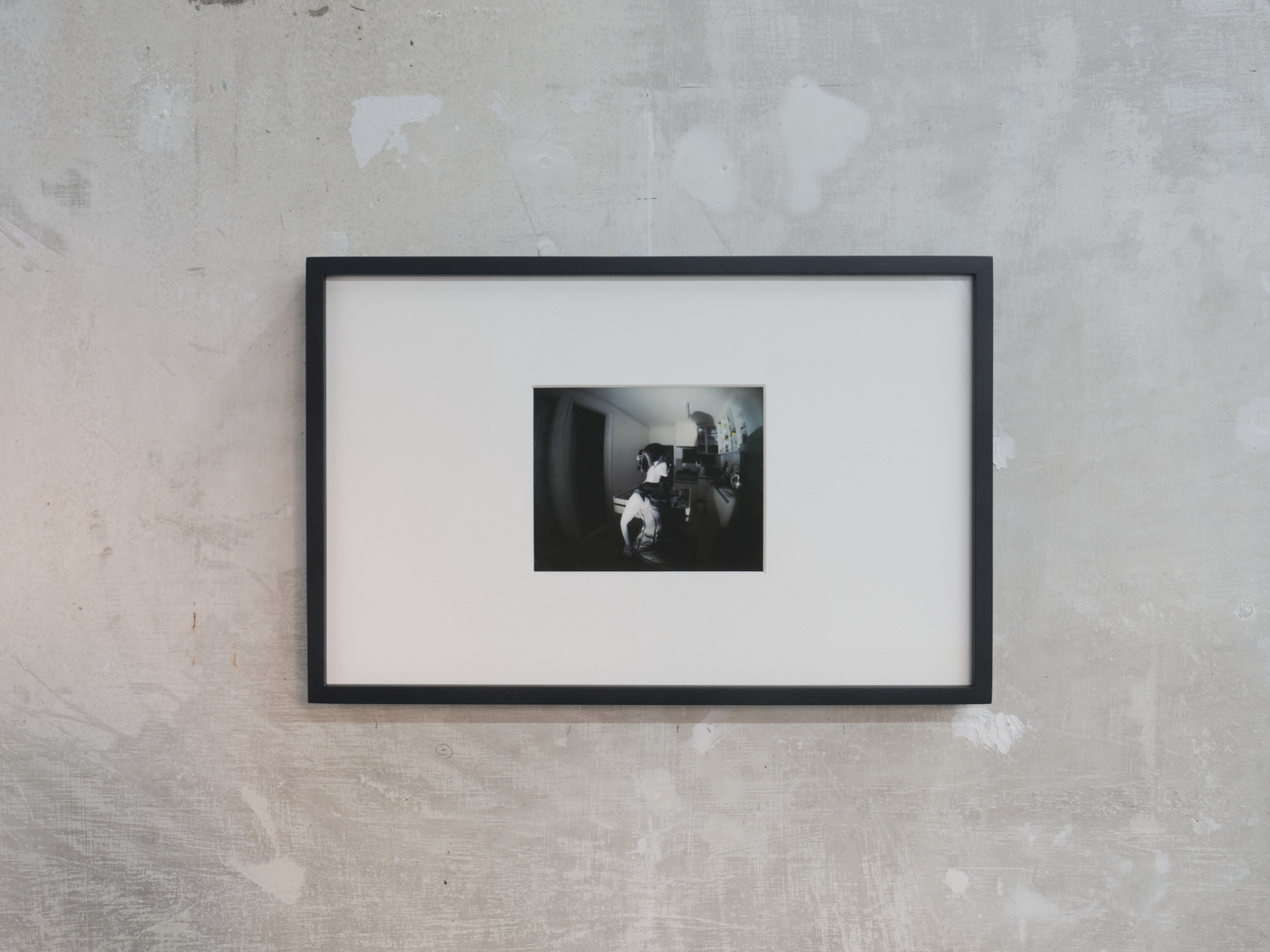
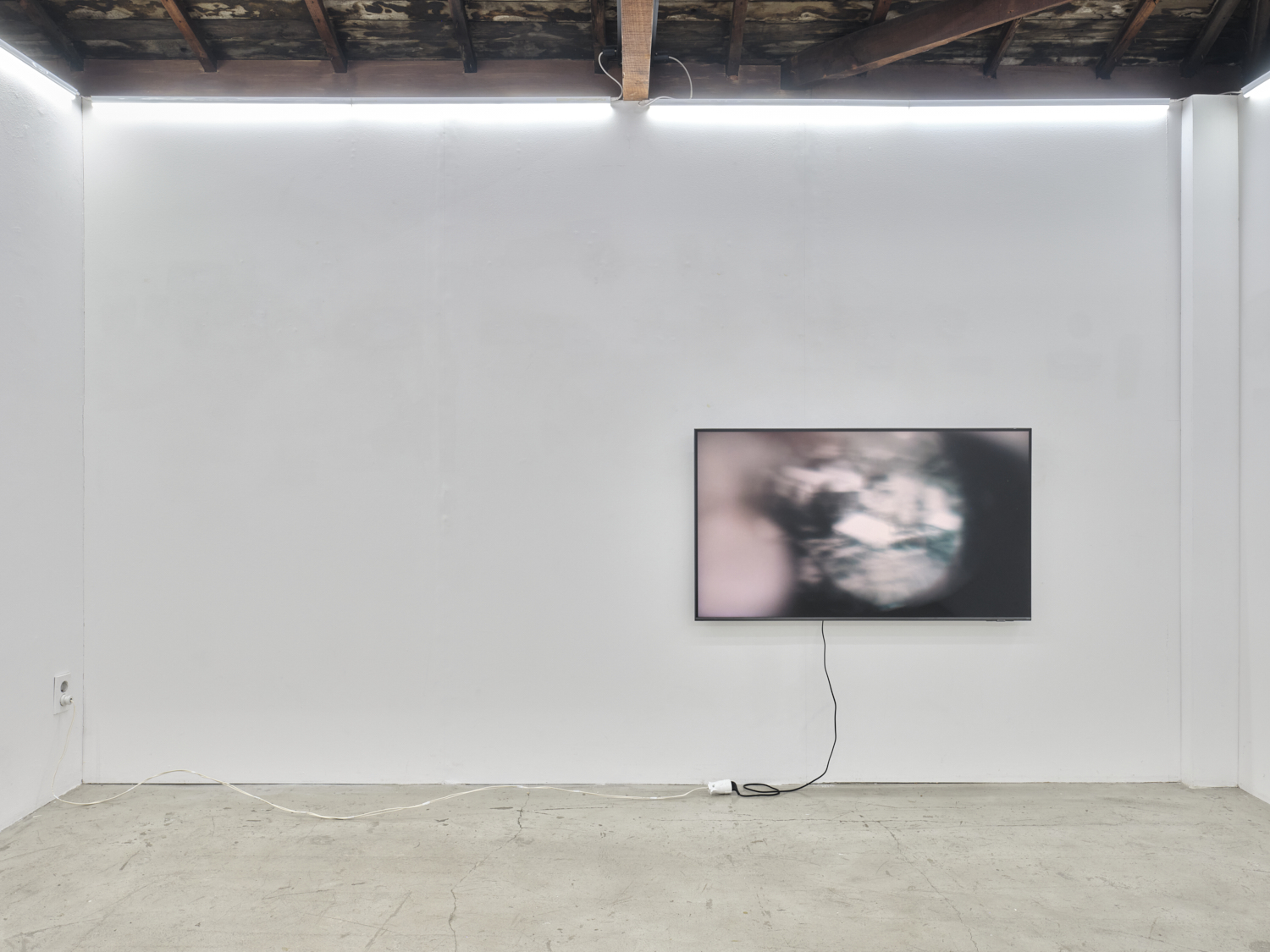
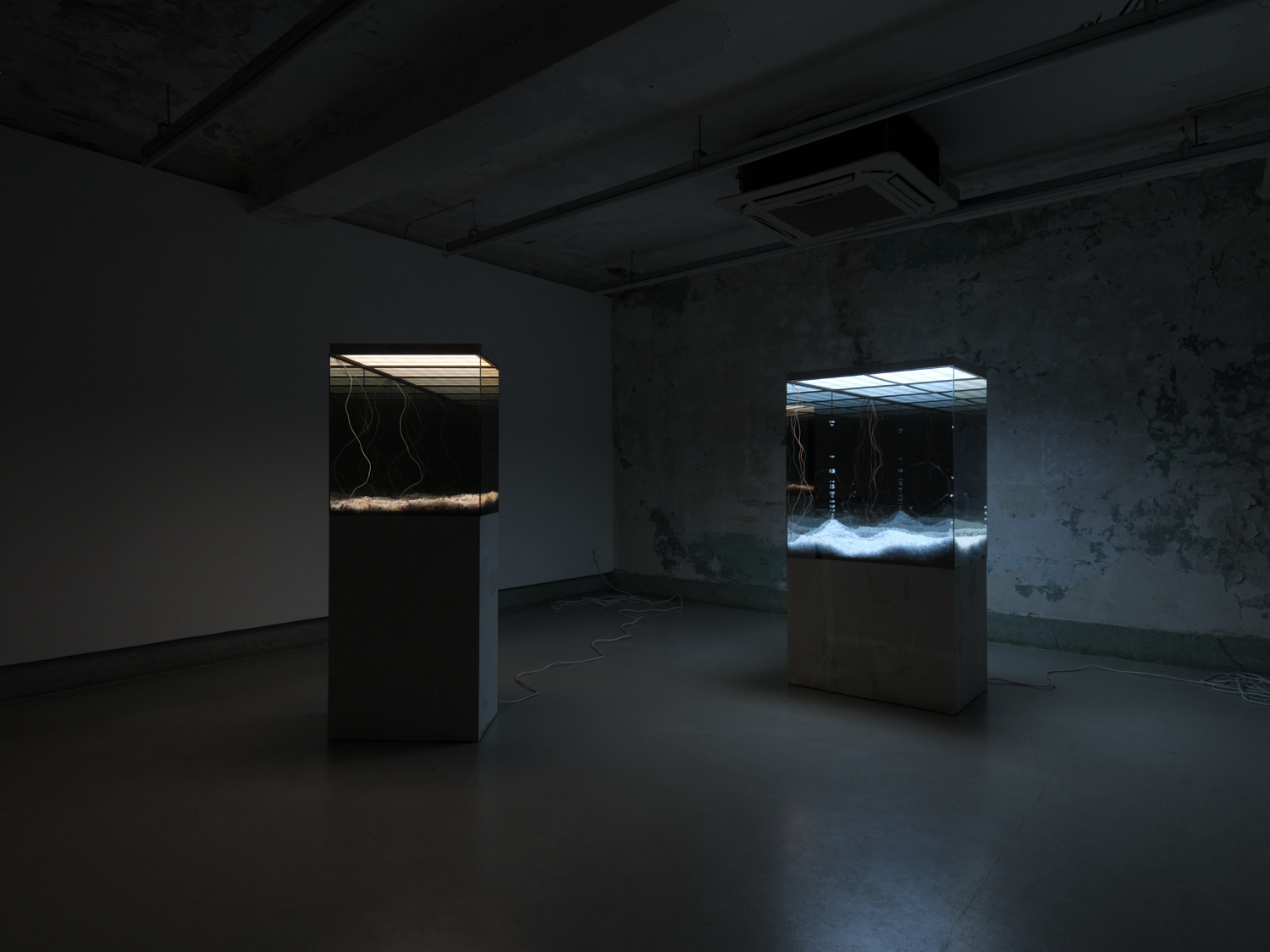
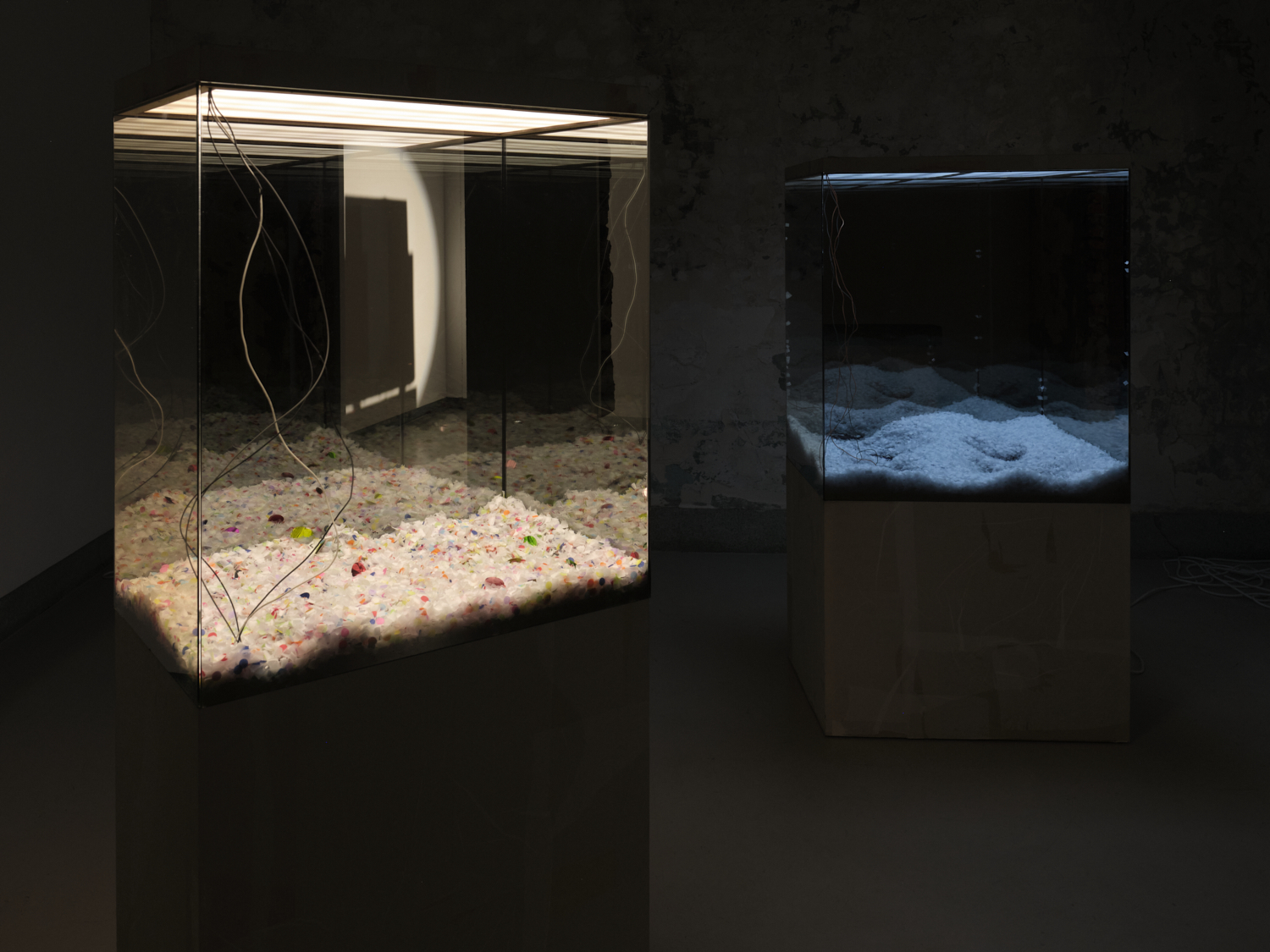
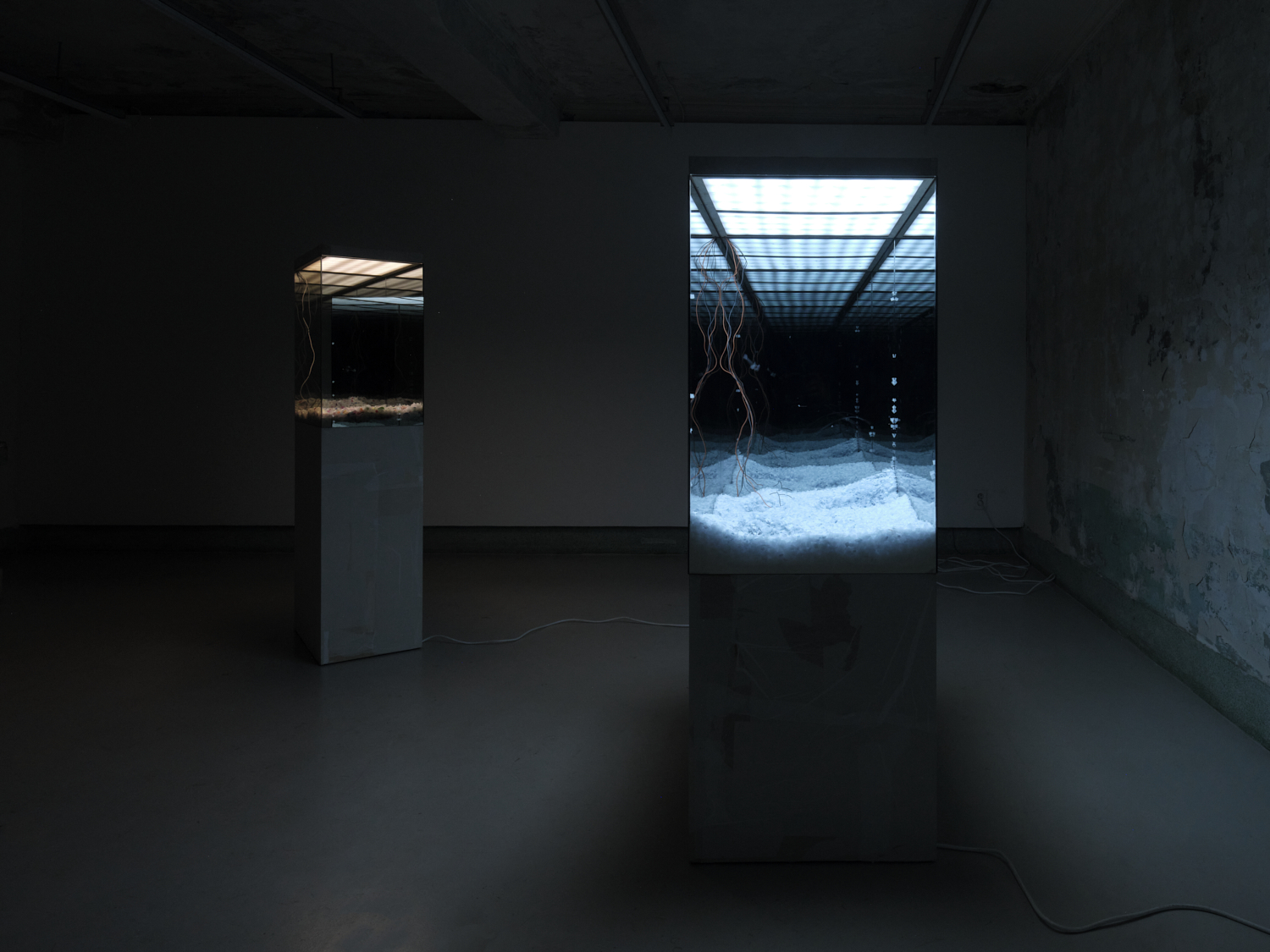
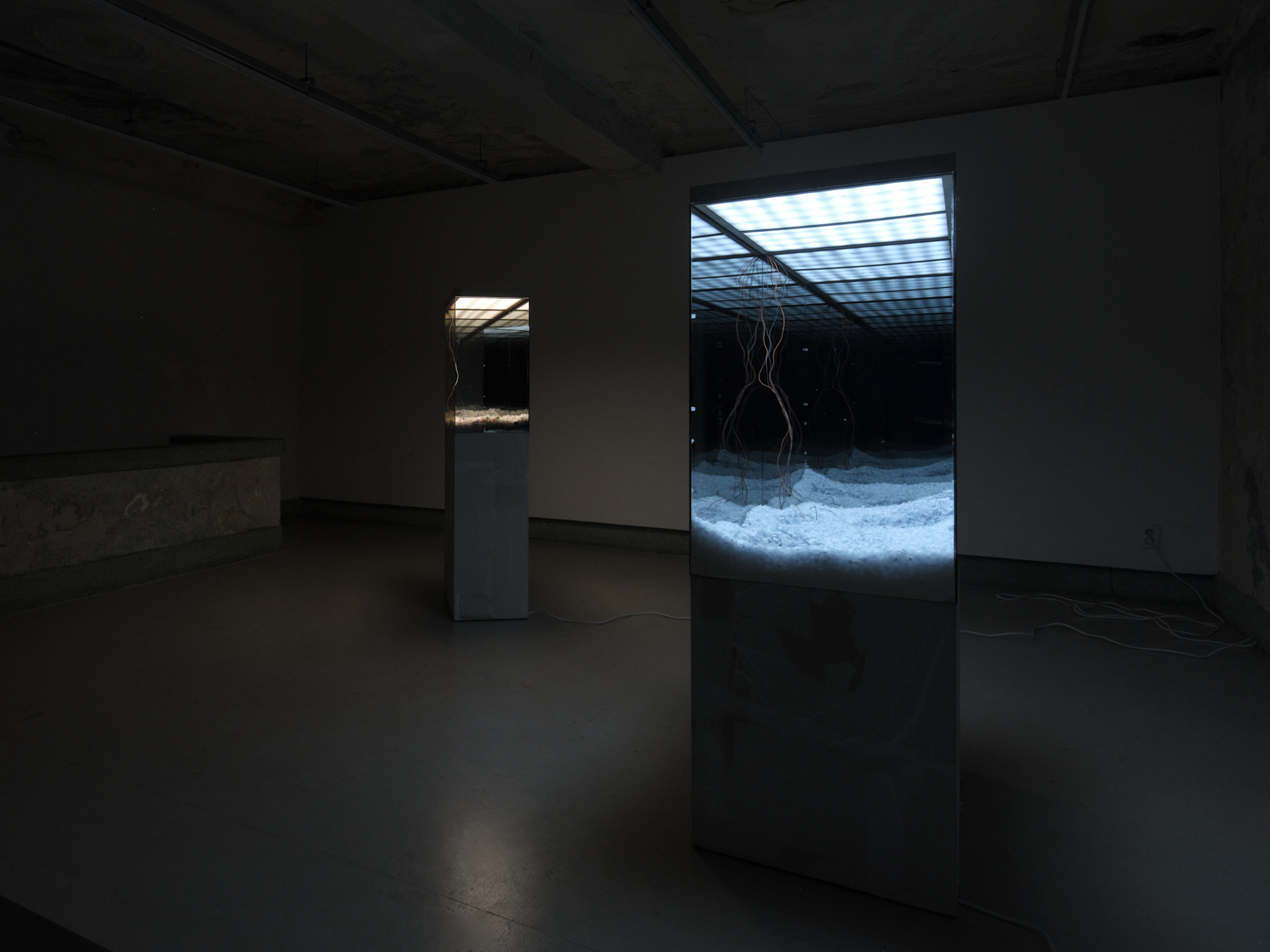
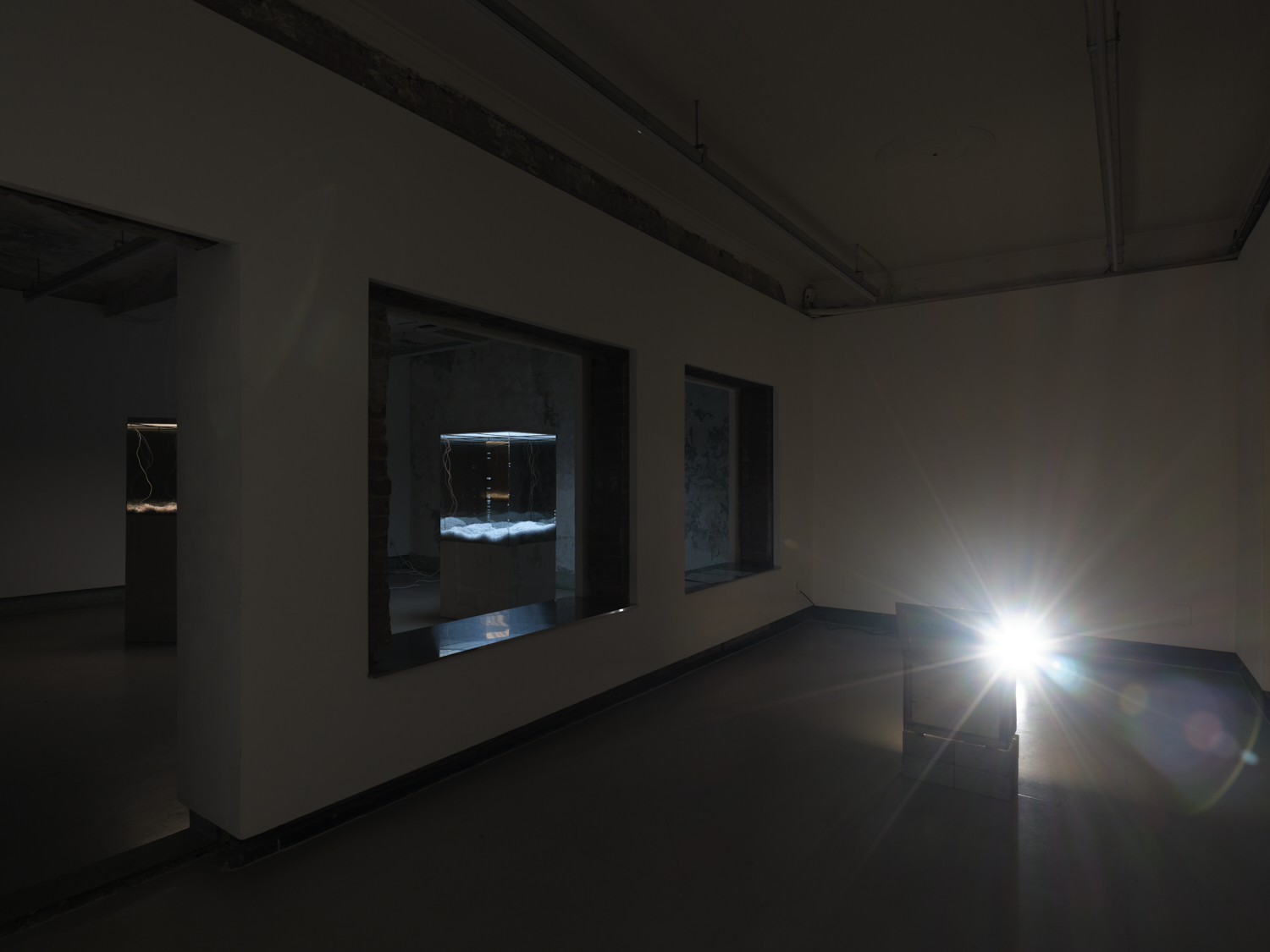
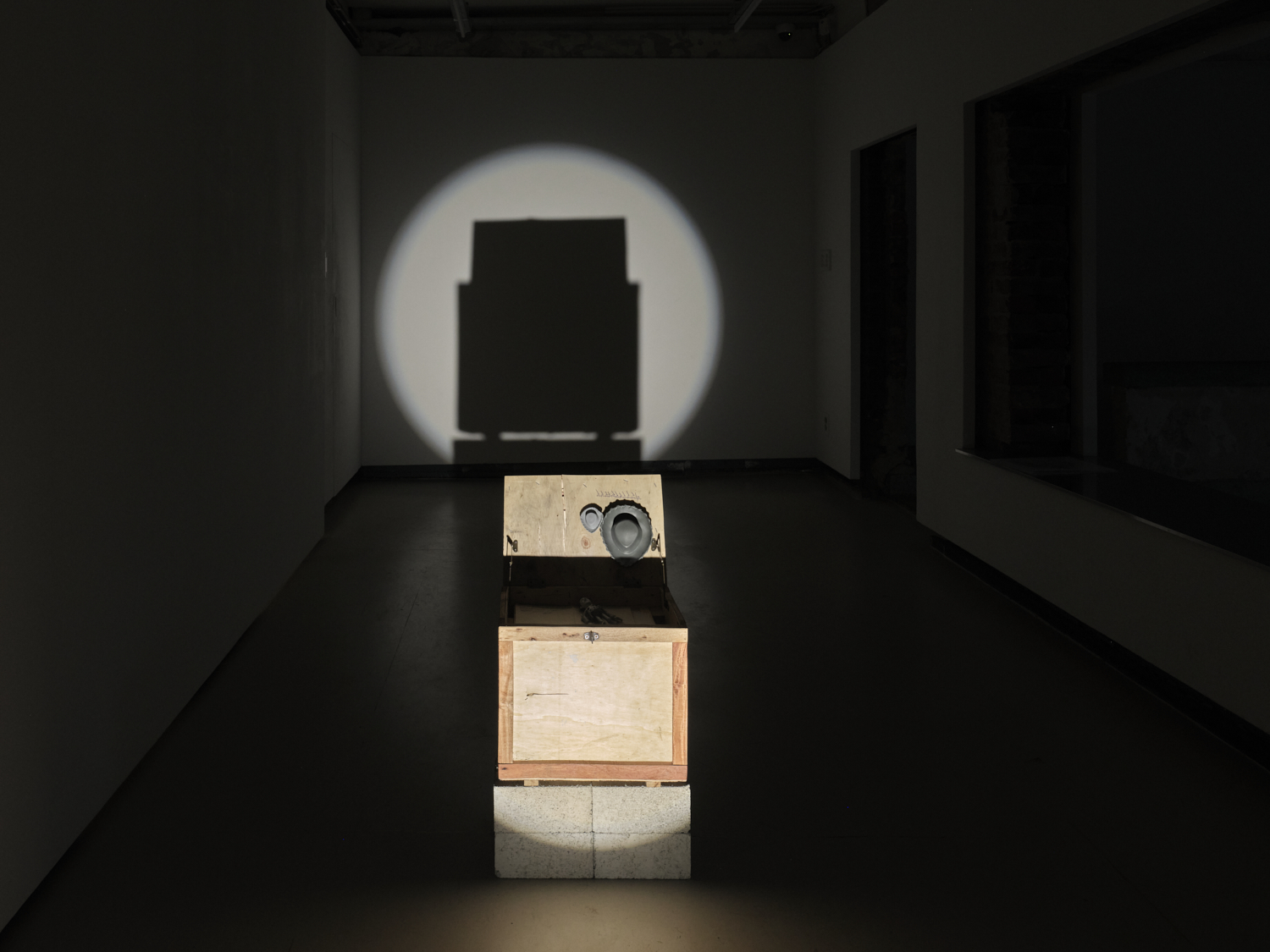
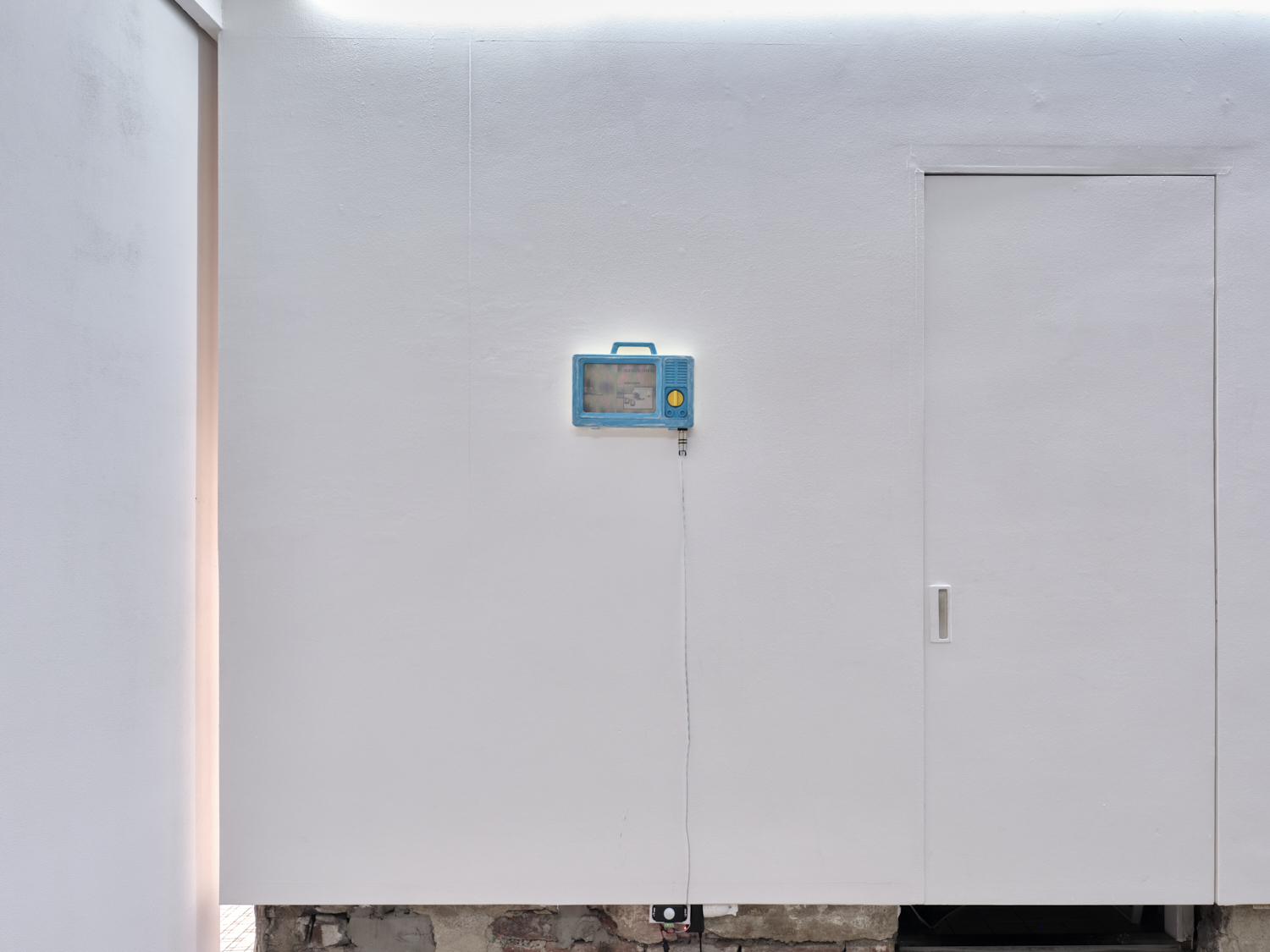
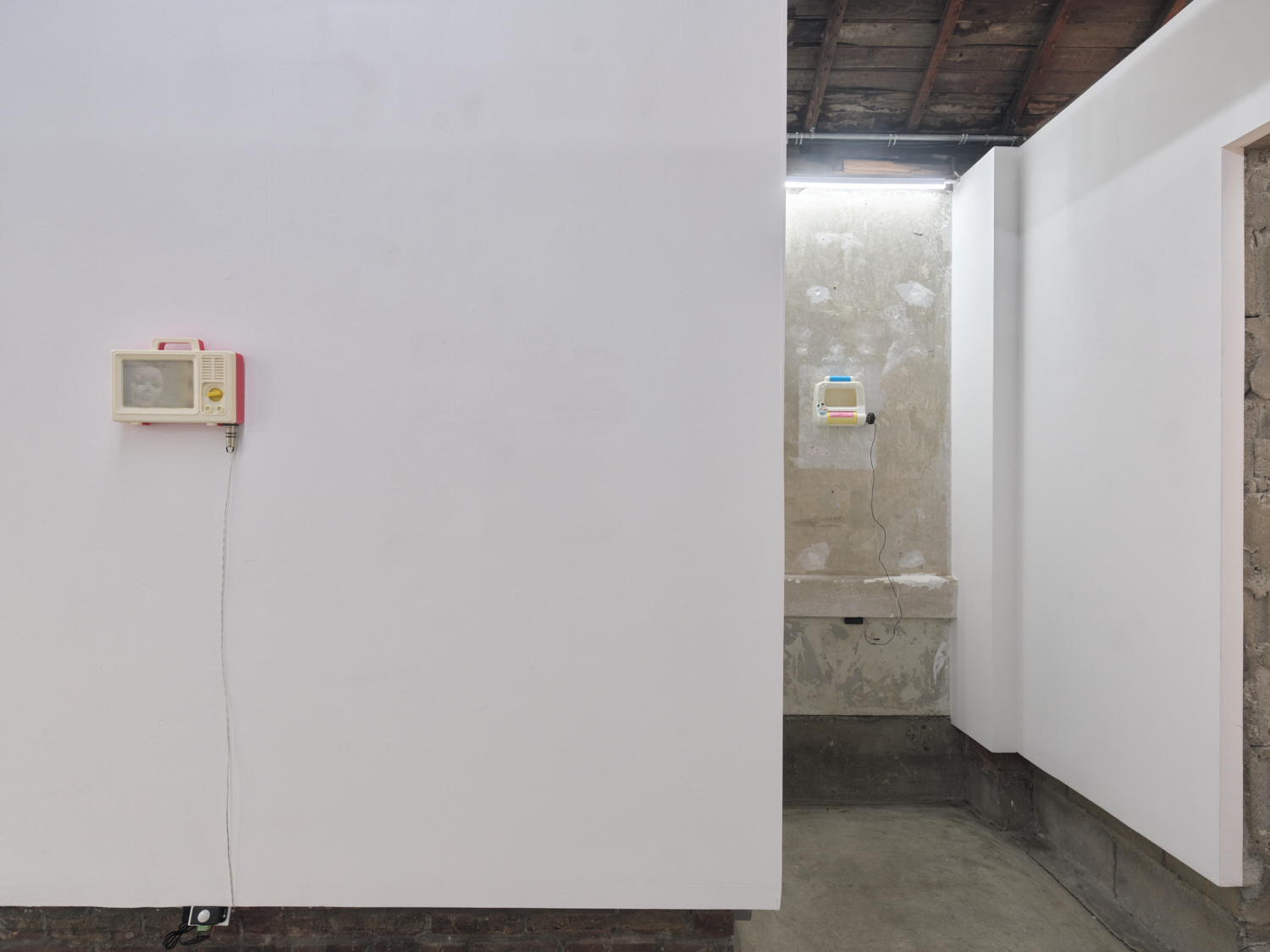
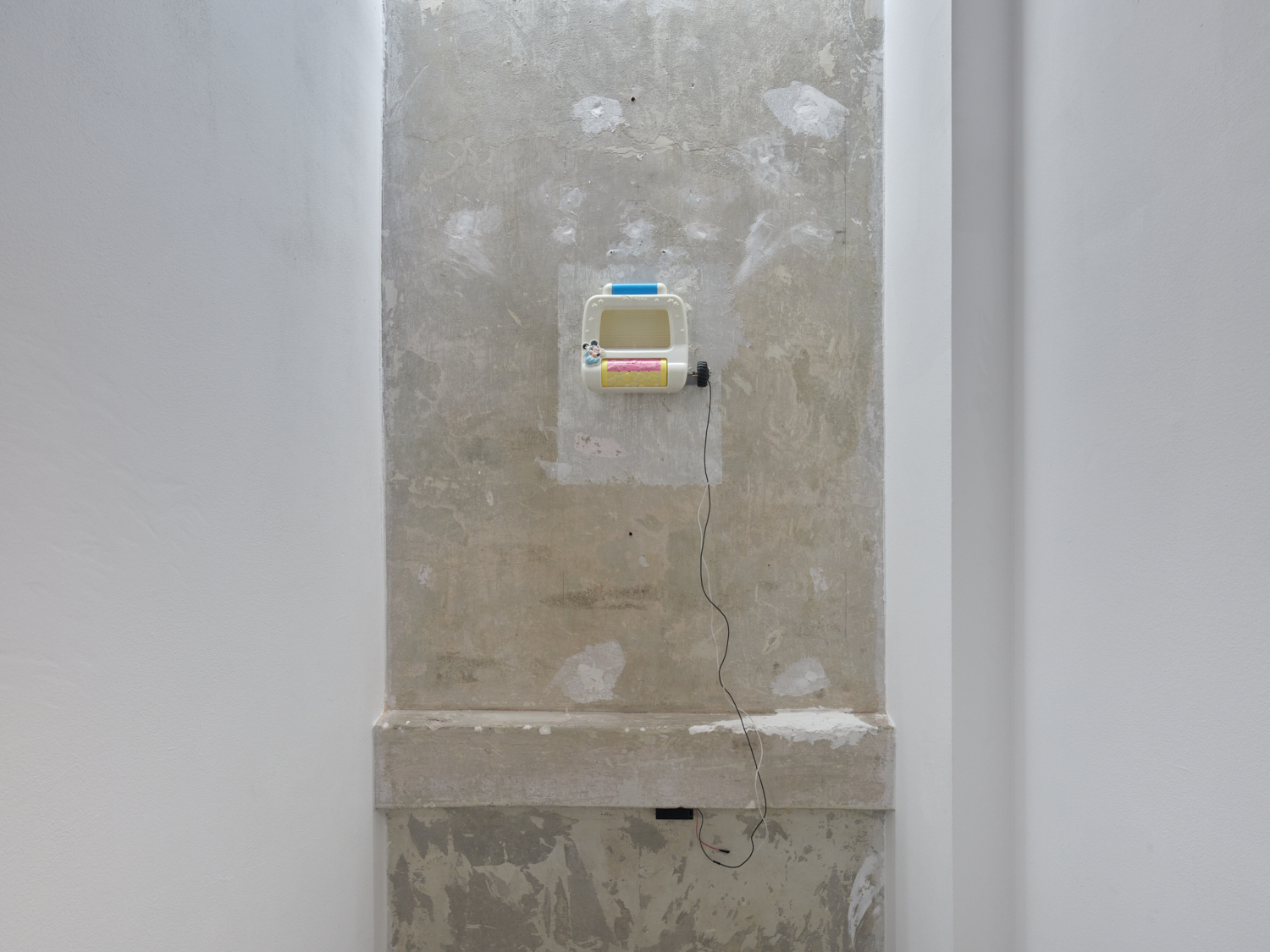
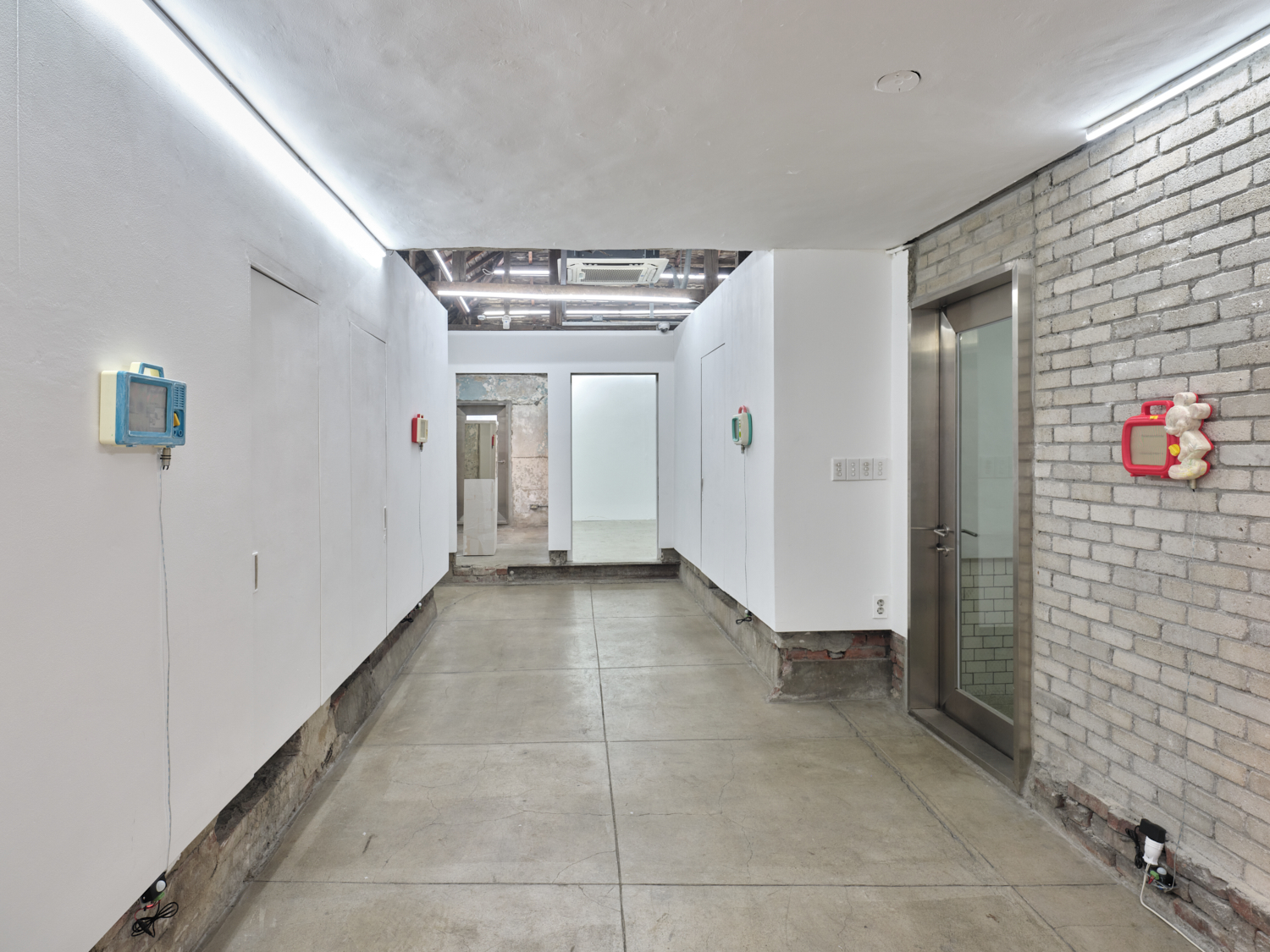
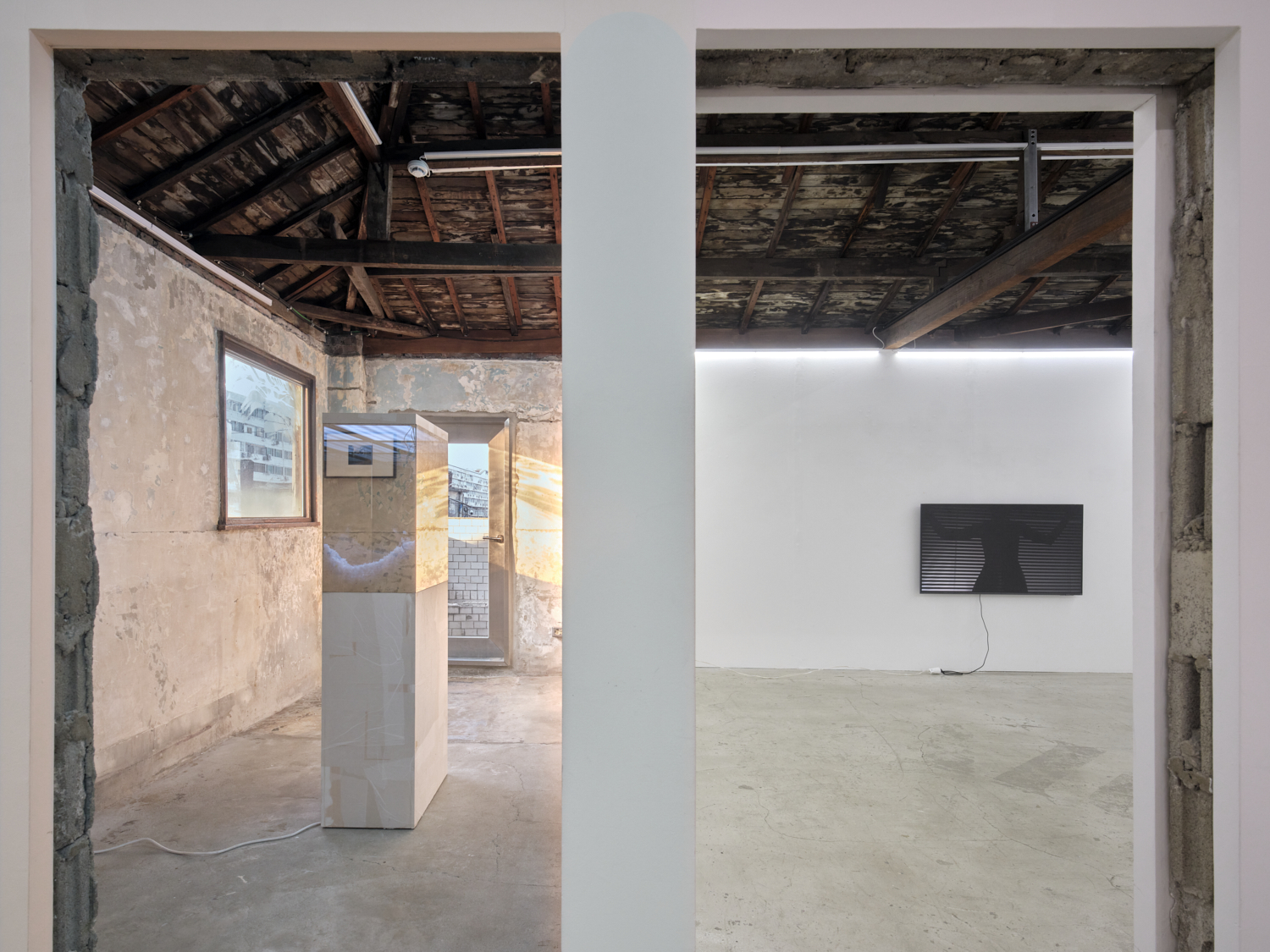
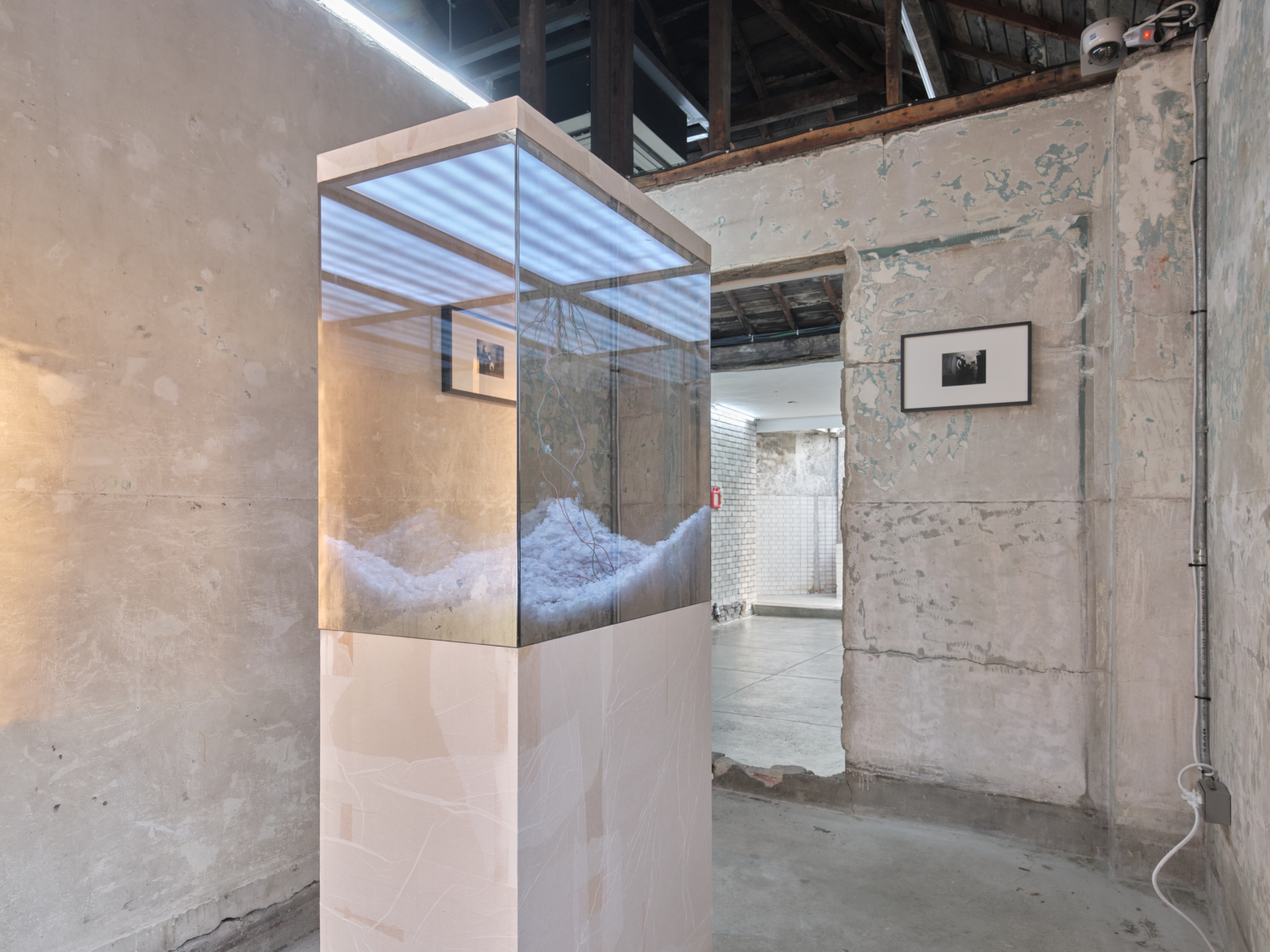
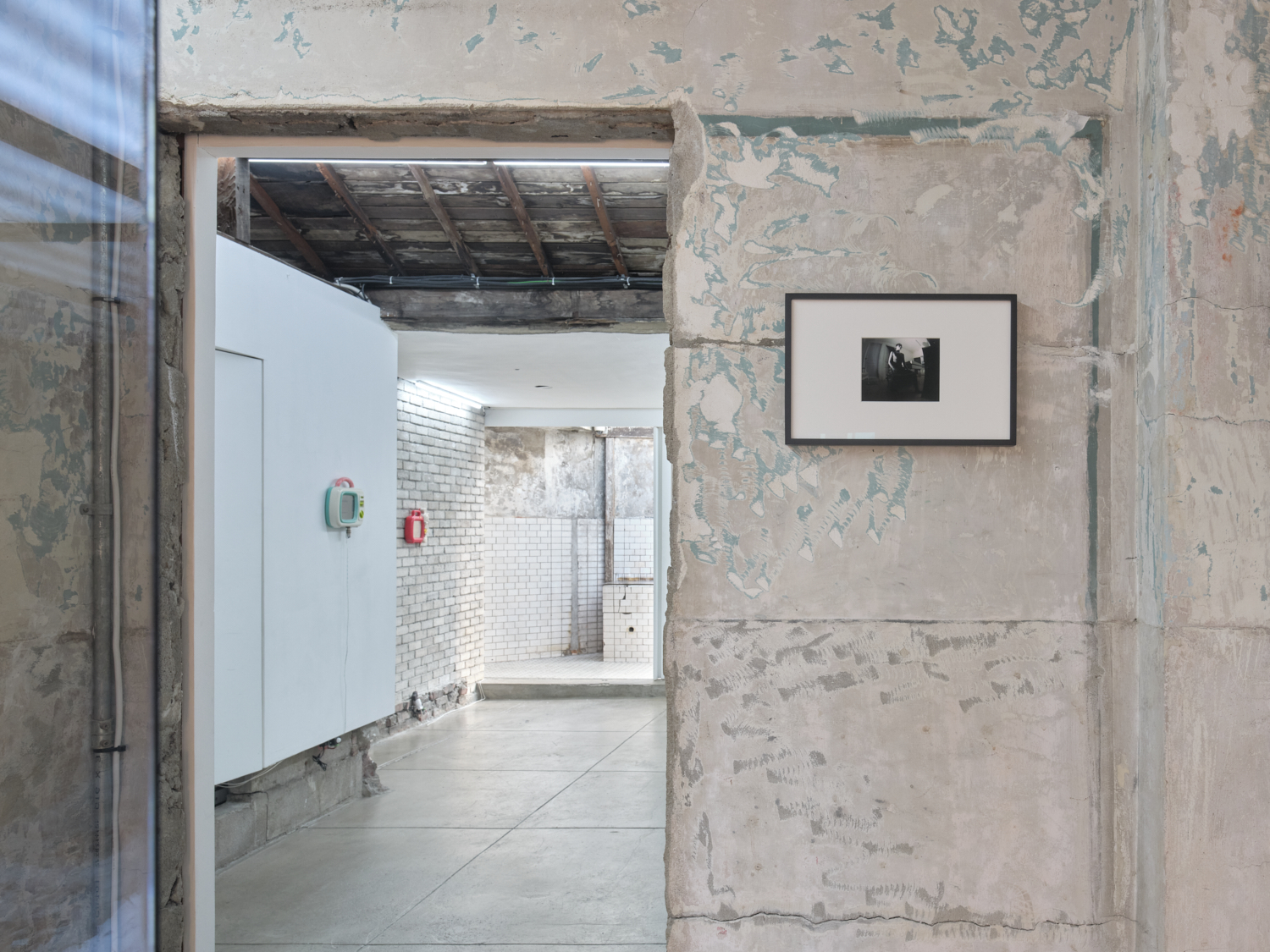
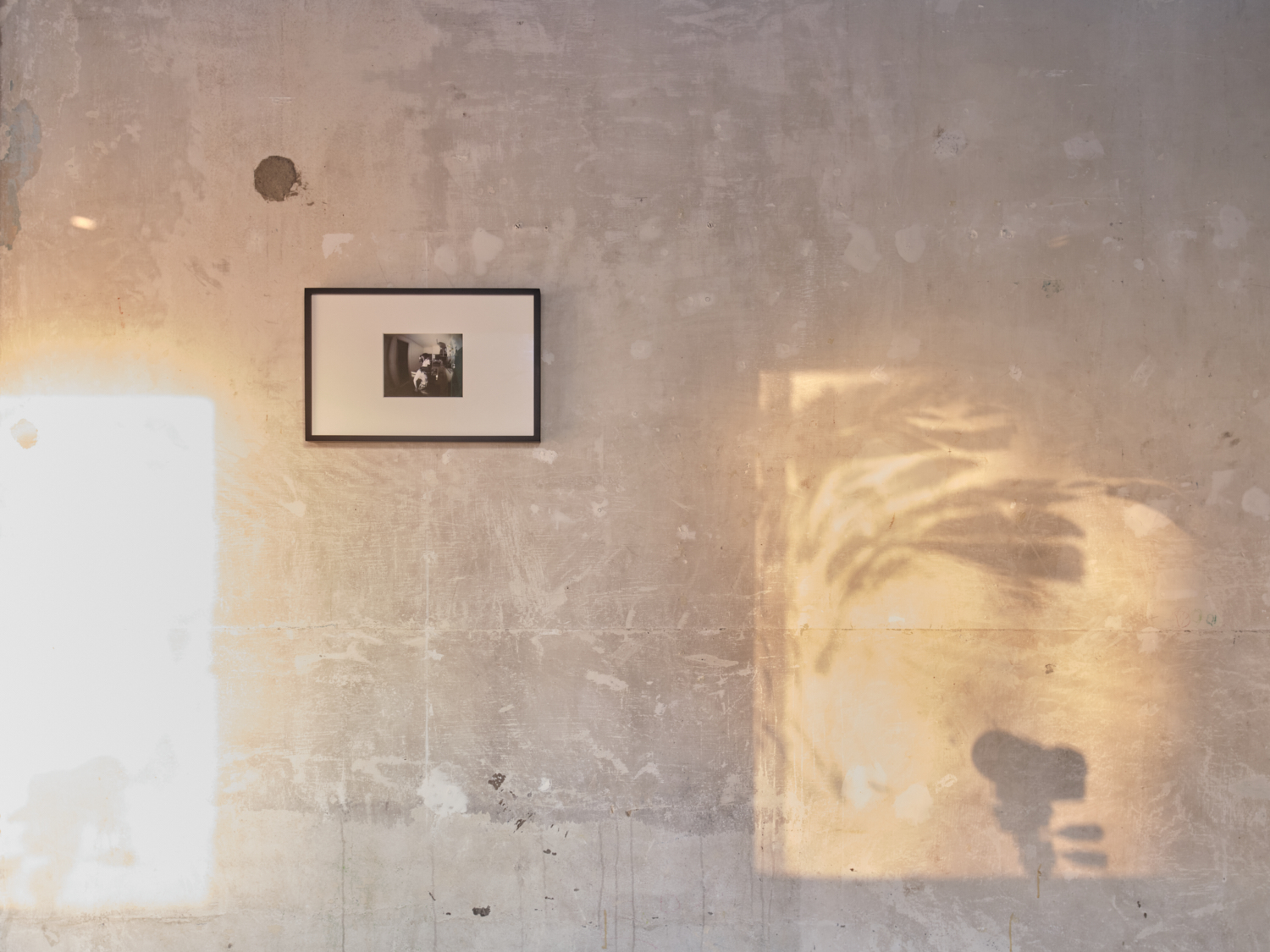
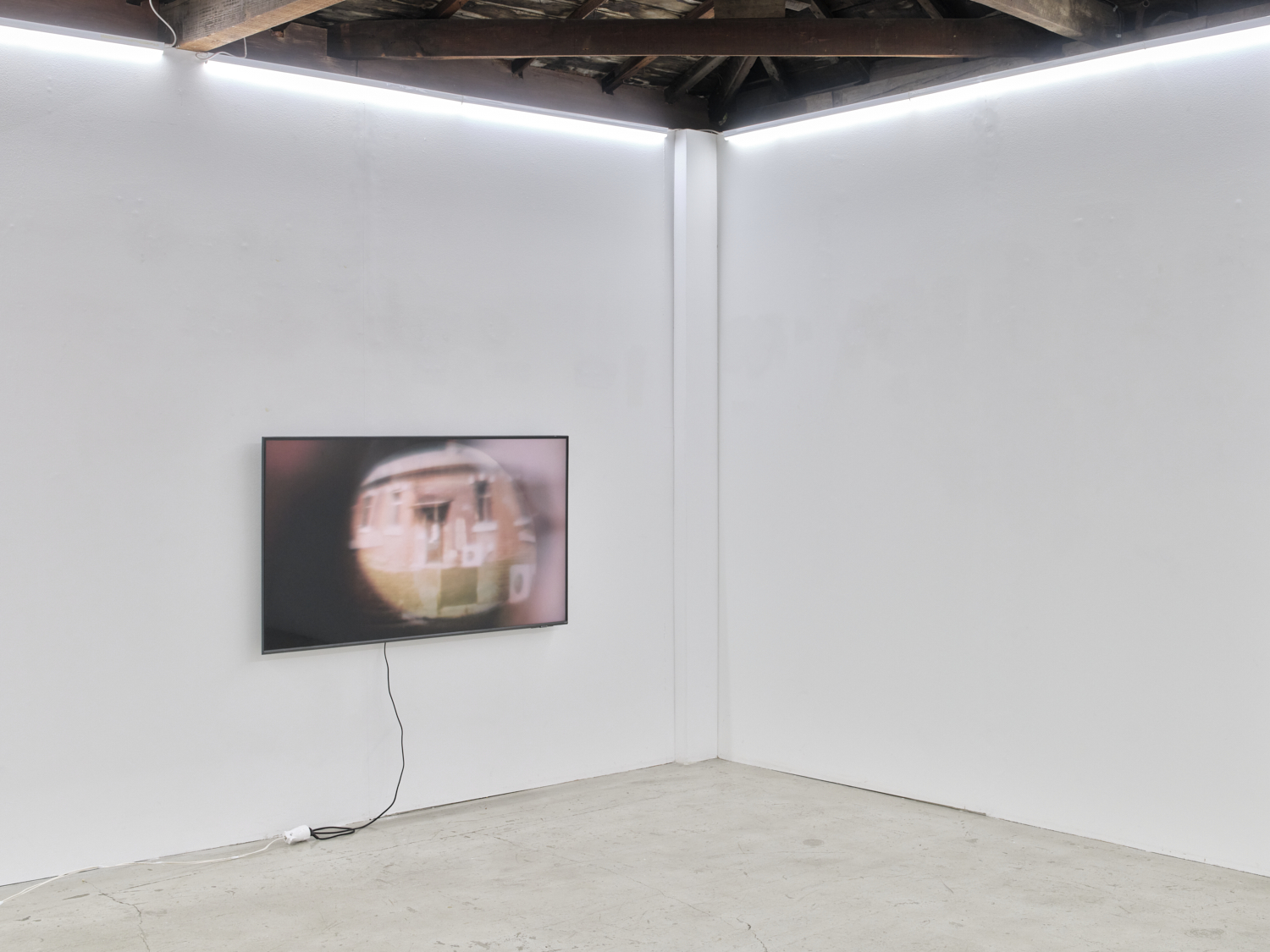
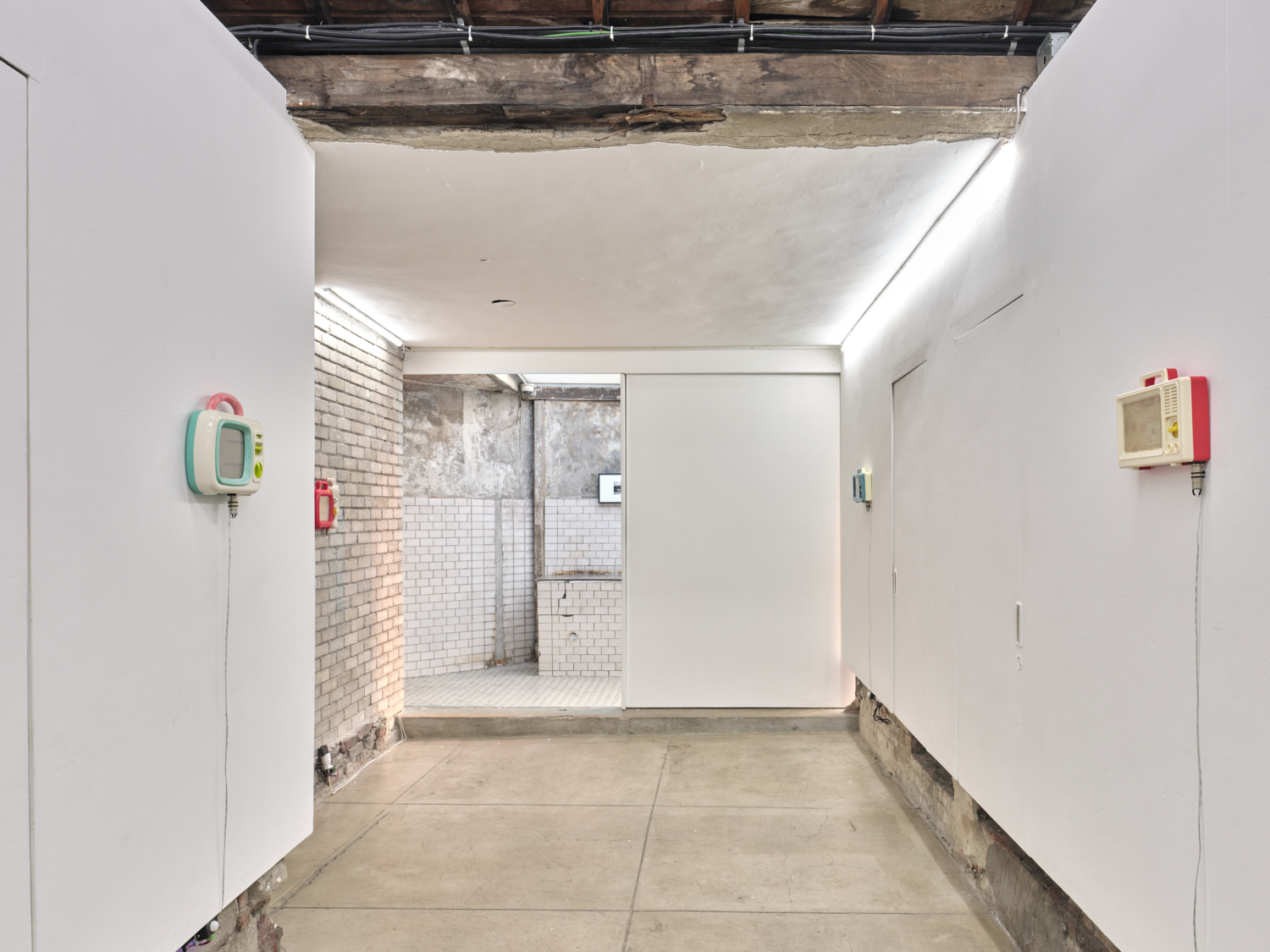
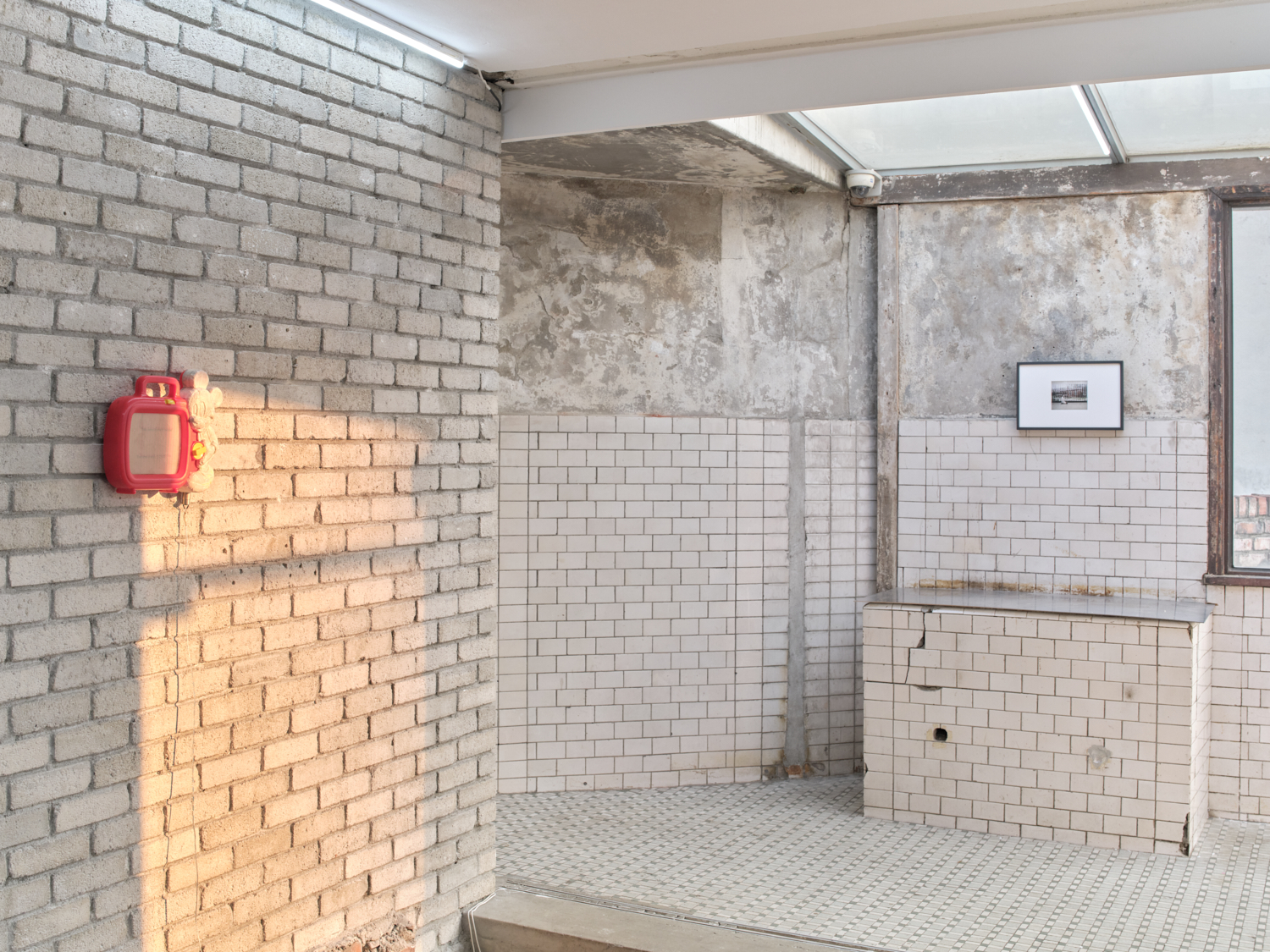
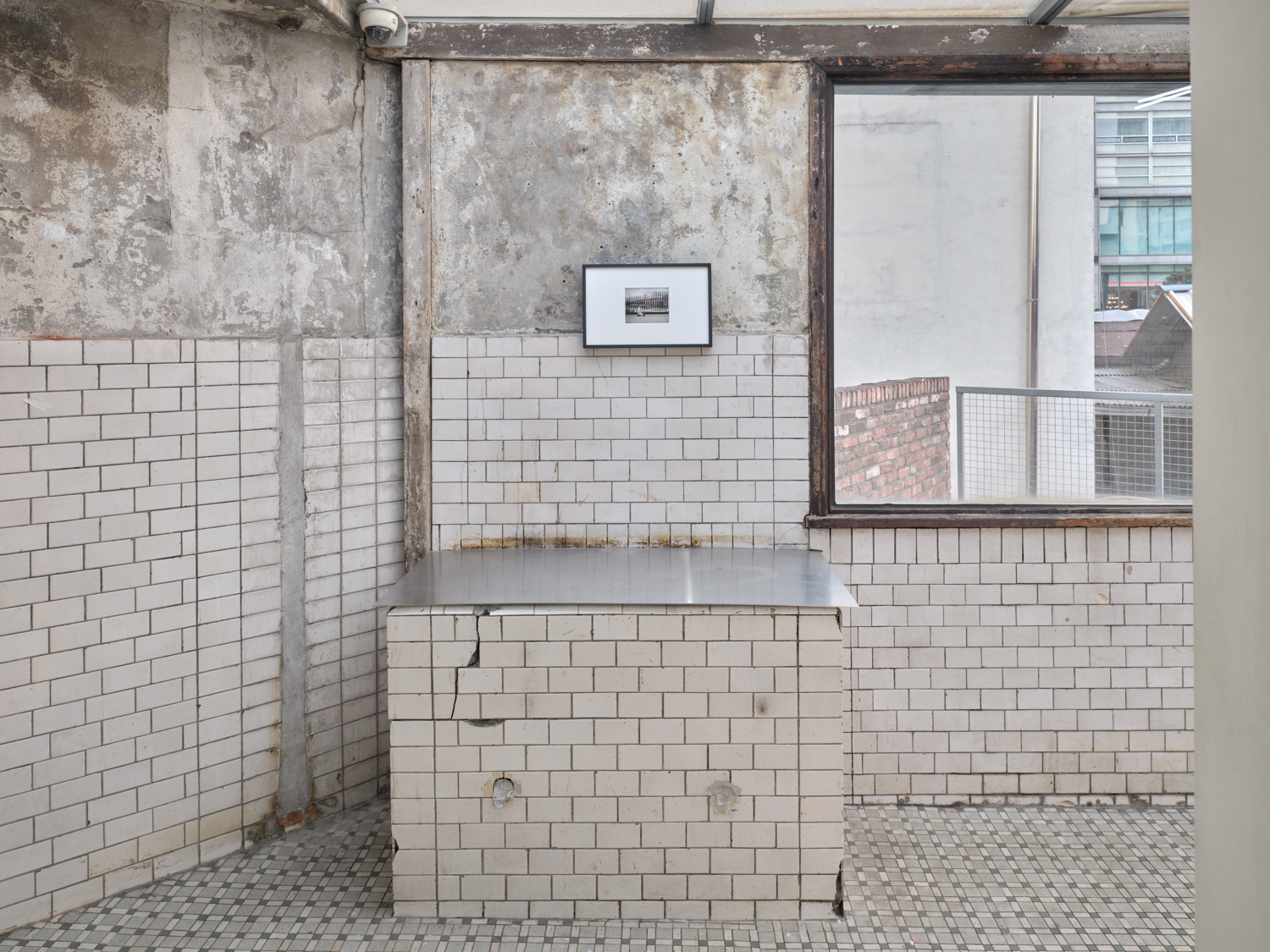
The showcase-like apparatus Rehearsal directly references the concept of “Flatline” as articulated by Mark Fisher. Flatline is defined as “a dimension in which life and non-life can no longer be distinguished, and in which agency does not necessarily imply a living subject.” Constructed from half-mirrored glass whose transparency alternates between interior and exterior depending on the level of illumination, the apparatus induces a sense of ontological emptiness as viewers watch confetti scattered by artificial wind. Meanwhile, misalignment between fiction and reality presented in the animated film Toy Story constitutes a central theme of this exhibition. The black-and-white version of Woody exists simultaneously as a character within animation and as a commodity sold in the real world, prompting a fleeting sense of dread in which the world itself appears no different from an animated set. This sense of “misalignment/skewed hierarchy” is echoed in the dissonance of the music box series made from modified second-hand lenticular TV toys.Finally, the video A, which stages a form of visual “astigmatism” through the alternation of camera lenses and door viewers, takes as its subject the Yongsan Garrison Prison, the only remaining Japanese military prison site in Korea. The uncanny tension produced by glimpses of colour from the real world appearing around a model styled like a protagonist from a black-and-white film of the 1940s resembles the moment in which we become aware of the artificial nature that surrounds us. We are already inside the ‘Dog House’.
However, the artificial natures that Hyein Min engages with do not offer only a fear of an impending end of the human. Here, even fear contains something strangely familiar. I would like to offer an example that suggests the kind of friendship she forms with fear. Hyein Min told me about a bird named “Nigel” while we were sharing ideas for this solo exhibition in her studio. On Mana Island in New Zealand, various devices were installed to encourage a colony of gannets to settle on the island, including life-size decoys resembling real birds. Yet for no fewer than twenty years, not a single gannet was deceived by these artificial lures. Nigel was the only exception. It was the only bird drawn to the decoys. He/She chose a specific model bird as a partner, cared for it, and lived among the artificial gannets until death. Nigel had no need at all for living, “real” birds. For He/She, the only reality was a relationship with eighty dead, immobile, “fake” birds that bore no sign of life whatsoever. At first, I responded with fear to the story of this “lonely” bird, which perhaps functions as a hidden yet central leitmotif in Hyein Min’s work. Only later did I come to understand that this story was about an impossible, yet profoundly “real,” friendship that Nigel formed with the model bird. And unlike cosmic nihilism, an impure fusion with fear requires an act of willful optimism.
공포 나의 오랜 친구
글. 이연숙(리타)매체의 역사는 언제나 인간과 기술 간의 불순한 융합의 역사다. 지각의 역사 또한 마찬가지다. 영화의 탄생과 더불어 인간은 영화라는 현실을 구성하는 기계 장치의 눈을 이식했다. 우리는 그러므로 어느 정도 항상 기계다. 그런데 어느 정도로 기계인가? 문제는 우리가 어느 정도 기계일 뿐 완전히 기계는 아니라는 점에 있다. 그렇기에 우리는 우리에게 이식된 기계 장치의 눈이 우리의 의지를 배신하는 순간에도 결코 눈을 감을 수가 없다. “의식이란 인정 많은 장난감 제작자가 자애로운 신을 대신해 우리에게 베푼 축복이 아니라 메스꺼운 저주다.”세계 최초의 영화 스튜디오 ‘도그 하우스’와 같은 인공 자연에서 우리는 필연적으로 “우리-없는-세계”를 예감하며 인간 ‘이후’에도 남을 비인격적, 비생명적 존재를 미래의 유령처럼 감지한다. 오늘날 매체 이론에서 인간과 기술 간의 관계를 상호 얽힘으로 보는 관점은 어떤 의미에선 흔하지만 민혜인을 진정 독특하게 만드는 지점은 그가 그런 관계에서 출현하는 모종의 불길함을 누구보다 날카롭게 포착하는 작가라는 사실에 있다.
쇼케이스 형태의 장치 <리허설>은 마크 피셔가 ‘플랫라인(Flatline)’이라 부른 개념을 직접적으로 참조한다. ‘플랫라인’은 “생명과 비생명을 더 이상 구분할 수 없고 행위 주체가 반드시 살아 있음을 의미하지 않는 차원” 이라 정의된다. 조도에 따라 내부와 외부가 번갈아 보이는 반거울 유리로 제작된 장치는 인공 바람에 흩날리는 컨페티를 바라보는 관객으로 하여금 존재론적 허무를 느끼도록 만든다. 한편 애니메이션 <토이 스토리>가 보여주는 허구와 실재의 “뒤틀린 위계” 는 이번 전시의 테마다. 흑백 버전 ‘우디’는 애니메이션에 등장하는 인물인 동시에 현실에서 판매되는 상품이기에 우리는 이런 사물로부터 세계 전체가 실은 애니메이션 세트장과 다르지 않다는 찰나의 공포를 경험한다. 이런 ‘잘못된’ 감각은 아동용 중고 렌티큘러 TV를 개조한 오르골 박스 시리즈의 불협화음에서도 반복되어 감지된다. 마지막으로 카메라 렌즈와 도어 렌즈를 교차하며 일종의 “난시” 를 연출하는 영상 은 용산에 위치한 국내에 유일하게 남은 일본군 감옥인 위수 감옥을 소재로 삼는다. 40년대 흑백 영화의 주인공처럼 분장한 모델의 주변으로 언뜻 비쳐 보이는 현실 세계의 컬러가 화면에 유발하는 기이한 긴장은 우리를 둘러싼 인공 자연을 인식하게 되는 순간과도 같다. 우리는 이미 ‘도그 하우스’ 내부에 있다.
그러나 민혜인이 다루는 인공 자연은 다가올 인간의 종말에 대한 공포만을 제공하지 않는다. 공포라고 하더라도 여기에는 친근한 무언가가 있다. 그가 공포와 맺고 있는 일종의 우정을 암시하기 위한 예시를 제공하고 싶다. 민혜인은 작업실에서 이번 개인전 작업의 아이디어를 공유하며 내게 ‘나이젤(Nigel)’이라는 새에 대해 알려줬다. 네덜란드 마나 섬은 가마우지 군집을 정착하게 만들기 위한 여러 장치를 섬에 설치하고 있었는데 실물과 유사하게 제작된 모형도 일부였다. 그러나 무려 이십 년간 어떤 가마우지도 이런 인공 미끼에 전혀 현혹되지 않았다. 나이젤을 제외하곤 말이다. 그/녀는 특정한 모형을 파트너로 삼아 돌보면서 죽기 전까지 모형 가마우지들 사이에서 살아갔다. 나이젤은 살아 있는 ‘진짜’ 새를 전혀 필요로 하지 않았다. 그/녀에게는 80개의 죽은, 정지된, 어떤 생명의 징후도 없는 ‘가짜’ 새와의 관계만이 유일한 현실이었다. 아마도 민혜인의 작업에서 숨겨진, 그러나 핵심적인 라이트모티프로 기능하고 있을 이 ‘외로운’ 새의 이야기에 나는 처음에 두려움으로 반응했다. 그러나 나는 나중에야 이 이야기가 나이젤이 모형 새와 맺은 불가능한, 그러나 너무나도 ‘진짜’인 우정에 대한 것임을 이해했다. 그리고 공포와의 ‘불순한 융합’은 우주적 허무와 달리 의지적 낙관을 필요로 한다.